
What Happens If You Skip Primer When Painting
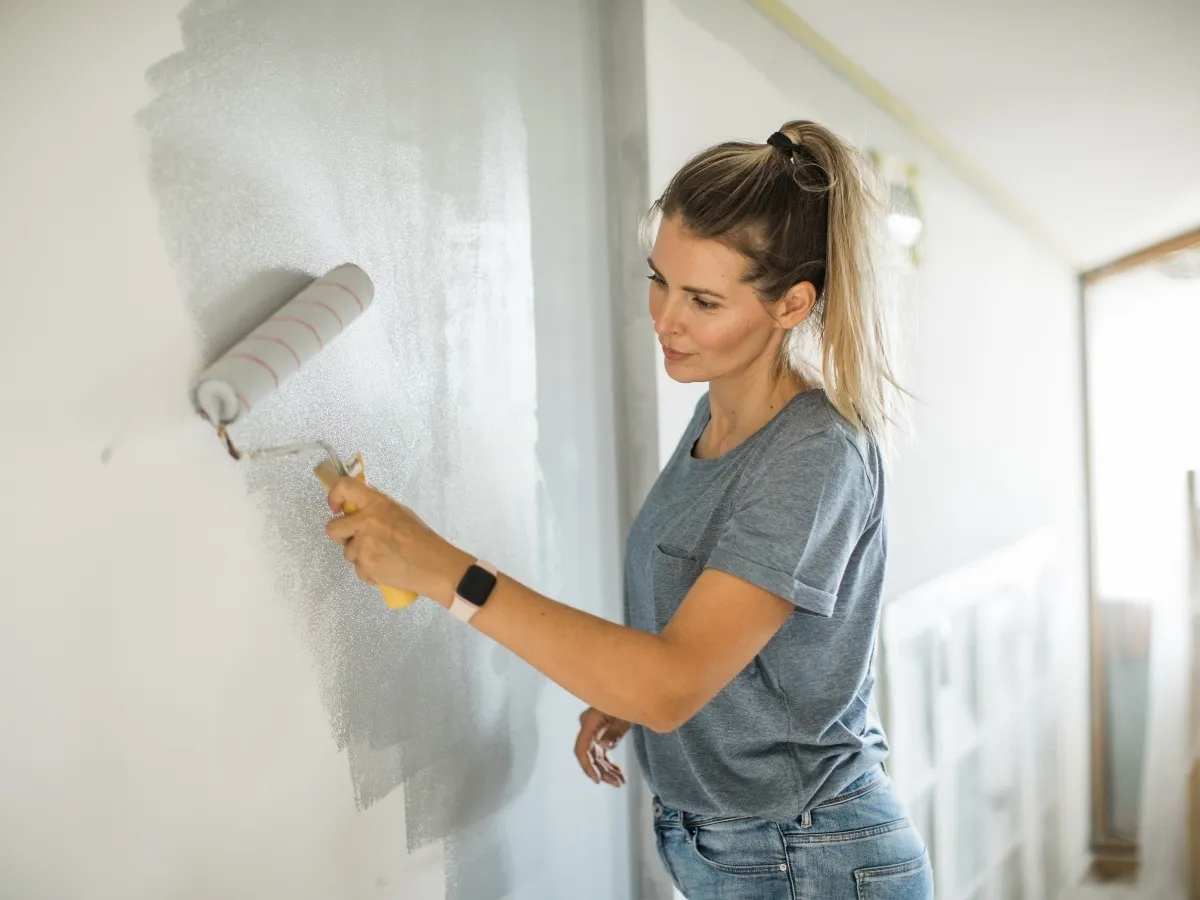
Many homeowners look for ways to complete painting projects more quickly, especially when working on tight schedules or trying to reduce costs. As a result, some steps in the painting process may seem unnecessary and are sometimes skipped. One of the most commonly overlooked steps is applying primer before painting. While it may appear to be an optional extra, understanding why primer is important before painting can help homeowners avoid problems that may appear shortly after the project is finished.
Primer plays a critical role in preparing the surface for paint. It helps seal porous materials such as drywall, wood, or repaired areas so that the paint can adhere properly. In addition, primer creates a consistent base that allows the paint colour to appear more even and vibrant. Without primer, paint may soak unevenly into the surface, leading to patchy coverage, dull colour, or the need for multiple additional coats. Over time, skipping primer can also increase the chances of peeling, chipping, or poor durability.
At Balzer’s Brushing, we often encounter situations where homeowners skipped primer in an effort to save time, only to face issues with the final result. Correcting these problems can sometimes require extra preparation and repainting, which adds both time and expense to the project. Learning why primer is important before painting helps homeowners understand that this step is an essential part of achieving a smooth, long-lasting finish. Proper preparation with primer ensures that the paint adheres correctly, looks better, and continues to protect interior surfaces for years to come.
What Is Primer?
Primer is a preparatory coating that is applied to a surface before the final layer of paint. Its main purpose is to create a stable base that helps the top coat adhere properly. Unlike regular paint, primer is formulated to bond effectively with various surfaces such as drywall, wood, metal, or previously painted walls. This strong bond improves the durability of the paint and helps ensure that the finish lasts longer without peeling or chipping.
In addition to improving adhesion, primer also helps create a more even and consistent surface for the paint. Walls can have areas that absorb paint differently due to patches, stains, or variations in material. Primer seals these areas and prevents the paint from soaking in unevenly, which helps the final colour appear smooth and uniform. By preparing the surface and improving paint performance, primer plays an important role in achieving a professional-looking result, which is why primer is important before painting in most projects.
Better Paint Adhesion
One of the biggest reasons to use primer is improved paint adhesion. Adhesion refers to how well the paint sticks to the surface. Walls can have different textures, patches, or repairs that affect how paint bonds. Primer helps create a stable layer that allows paint to attach evenly across the surface. Without primer, paint may struggle to adhere properly. This can lead to peeling, cracking, or bubbling over time. Professional painters often rely on primer to ensure the paint stays firmly attached to the wall for many years.
More Even Paint Coverage
Primer plays an important role in achieving smooth and even paint coverage. Walls often contain small variations in texture or porosity that can affect how paint appears once it dries. For example, drywall patches, repaired areas, or previously painted sections may absorb paint at different rates compared to the surrounding surface.
This uneven absorption can lead to blotchy spots or inconsistent colour across the wall. Applying primer helps seal these areas and creates a uniform base that allows the paint to adhere evenly. As a result, the final coat appears smoother and more consistent in colour. Without primer, painters may need to apply multiple additional coats of paint to achieve the same level of coverage and uniformity.
Preventing Stains from Showing Through
Primer is especially important when dealing with stains on interior walls because it helps prevent them from showing through the new paint. Marks caused by water damage, smoke, grease, or previous repairs can sometimes bleed through even after a fresh coat of paint is applied. Primer works as a protective barrier that seals these stains and stops them from affecting the final finish.
In many cases, specialized stain-blocking primers are used to handle more stubborn marks and ensure the surface remains clean and uniform. If primer is skipped, these stains may gradually reappear through the paint layer, which can be frustrating and often requires repainting the wall. Properly applying primer helps ensure a smoother, longer-lasting result and highlights why primer is an important step before painting.
Improved Durability and Longevity
Paint should protect your walls as well as improve their appearance. Primer helps strengthen this protective layer by creating a solid base. When paint adheres properly to primer, it becomes more resistant to wear and damage. This durability is especially important in high traffic areas such as hallways and living rooms. Without primer, paint may wear down more quickly or begin to peel earlier than expected. Professional interior painting services always include proper priming to ensure long lasting results.
Better Results When Changing Colours
Primer is particularly useful when changing from one paint colour to another, especially when moving from a dark shade to a lighter one. Dark colours can be difficult to cover because they tend to show through lighter paint layers. Without primer, homeowners often need to apply several coats of paint to achieve full coverage. This not only increases the time required for the project but also uses more paint, which can raise the overall cost.
Applying primer first creates a neutral and consistent base that helps the new colour appear more vibrant and true to its intended shade. The primer blocks the old colour from bleeding through and allows the top coat to cover the surface more evenly. As a result, fewer paint coats are typically needed, and the final finish looks cleaner and more professional. This is another reason why primer is important before painting, particularly when making significant colour changes in a room.
Sealing Porous Surfaces
Certain surfaces naturally absorb paint more than others, which can create uneven results if they are not properly prepared. Materials such as new drywall, unfinished wood, and patched or repaired areas tend to be more porous. When paint is applied directly to these surfaces, it can soak in at different rates, causing blotchy or dull areas on the wall. This uneven absorption can make the final paint job look inconsistent and may reduce the durability of the finish.
Primer helps solve this problem by sealing porous surfaces before the top coat is applied. By creating a sealed and uniform base, primer allows the paint to sit evenly on the surface rather than being absorbed into it. This improves the smoothness of the finish and helps the paint maintain a consistent colour and texture across the entire wall. Professional painters rely on primer when working with different materials to ensure that the final result looks even, durable, and professionally finished.
Saving Time and Paint in the Long Run
At first glance, skipping primer may seem like a way to save time and money. However, this shortcut often leads to the opposite result. Without primer, you may need multiple coats of paint to achieve proper coverage. This increases both the amount of paint used and the time spent painting. If paint begins to peel or stains reappear, repairs may require even more work later. Understanding why primer is important before painting helps homeowners see that primer actually saves time and effort in the long run.
Primer Is Essential in New Construction
Primer is especially important in newly built homes. Fresh drywall absorbs paint quickly and unevenly without proper preparation. Professional painters apply primer to seal the drywall and create a uniform surface for the final paint coats. This step ensures the paint colour looks consistent throughout the home. Skipping primer during construction can lead to uneven finishes and reduced durability. Our new construction painting services include careful priming to ensure new homes receive strong and lasting paint finishes.
Professional Painters Understand the Importance of Primer
Experienced painters understand that primer is not simply an optional extra but a crucial step in achieving a high-quality paint finish. Proper priming helps create a strong foundation that allows the final coat of paint to adhere correctly and perform as intended. Without this preparation, even high-quality paint may struggle to bond to the surface, which can lead to issues such as uneven coverage, peeling, or reduced durability over time. By applying primer first, painters help ensure that the final result looks smooth, consistent, and long-lasting.
Professional painters also know that different surfaces require different types of primers. For example, certain primers are designed specifically for drywall, while others are better suited for wood, stain blocking, or moisture-resistant applications. Evaluating the condition and material of the surface allows professionals to select the most appropriate product for the job. At Balzer’s Brushing, careful preparation is a key part of every project because understanding why primer is important before painting helps ensure that each room receives a finish that is both durable and visually appealing.
Final Thoughts
Primer may seem like a small step in the painting process, but it plays a major role in the final result. Skipping primer can lead to uneven colour, poor adhesion, and shorter paint lifespan. Understanding why primer is important before painting helps homeowners avoid these common problems. With proper priming, paint looks smoother, lasts longer, and protects your walls more effectively.
If you are planning a painting project, professional guidance can help ensure the job is done correctly from the start. You can contact our team to discuss your project and learn how proper preparation leads to better results. At Balzer’s Brushing, we believe great painting begins with the right foundation. By using the right primers and techniques, we deliver finishes that keep homes looking beautiful for years to come.
