
How to Fix Uneven Paint Coverage on Walls
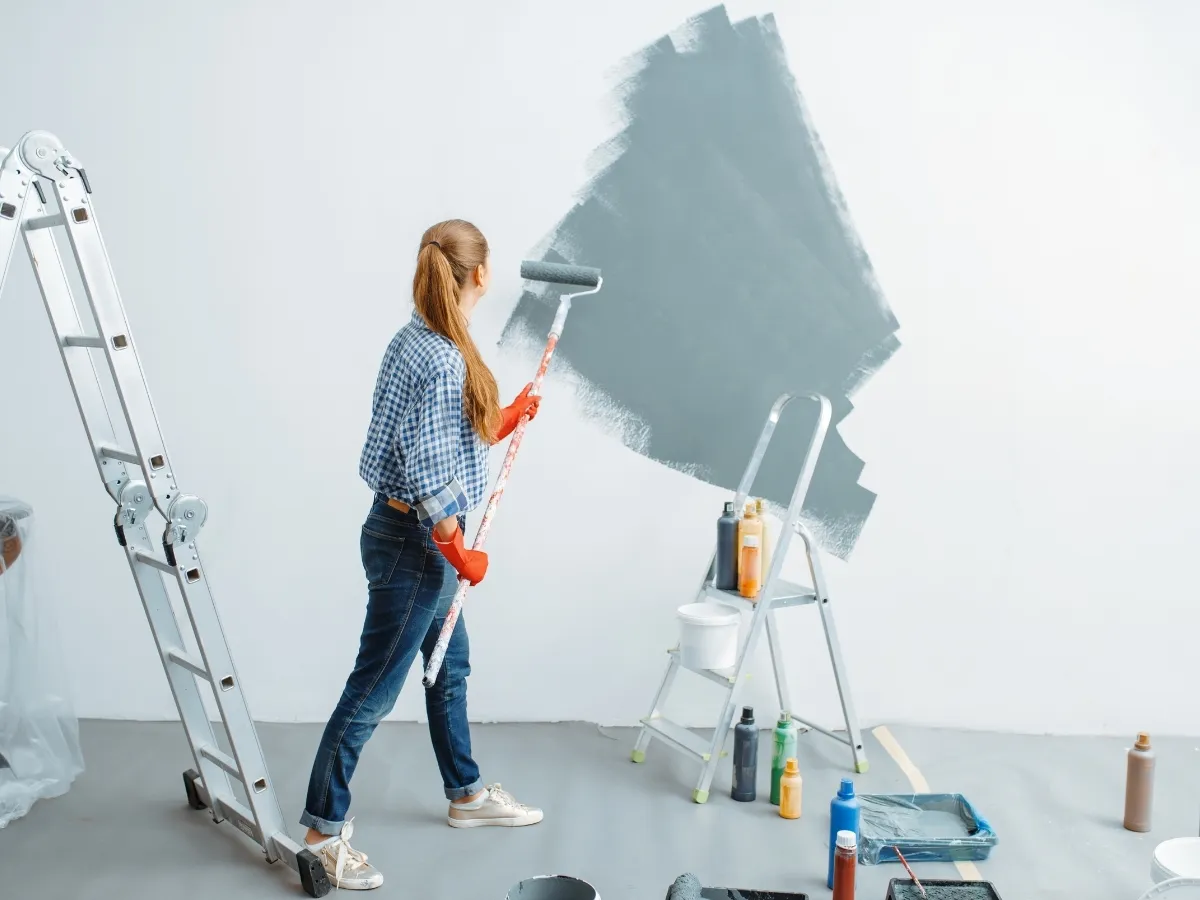
Painting your walls should leave your home looking clean, smooth, and refreshed. However, many homeowners notice that once the paint dries, the surface may appear patchy or streaky in certain areas. This uneven appearance can be frustrating, especially after investing time and effort into a painting project. Uneven paint coverage is a fairly common issue and can occur for several reasons during the painting process. Understanding the best uneven paint coverage fix methods can help restore a consistent and professional-looking finish.
Uneven coverage typically occurs when paint is applied inconsistently or when the surface beneath the paint absorbs the coating unevenly. Areas that appear darker or lighter than others may be the result of insufficient paint, improper roller technique, or missing primer on porous surfaces. Lighting conditions can also make these inconsistencies more visible, especially when natural or overhead light hits the wall at certain angles. In some cases, the problem may simply be that the wall needs an additional coat of paint to achieve full and even coverage.
Correcting uneven paint coverage usually involves lightly sanding the affected areas, ensuring the surface is clean, and applying another coat of paint using proper techniques. Using a high-quality roller, maintaining consistent pressure, and applying paint evenly across the wall can make a significant difference in the final result. At Balzer’s Brushing, we often help homeowners resolve patchy paint finishes by addressing the underlying cause and applying professional methods to achieve a smooth appearance. By understanding the causes and solutions behind an uneven paint coverage fix, homeowners can restore their walls and enjoy a clean, uniform finish.
What Causes Uneven Paint Coverage?
Uneven paint coverage can occur for several reasons, and understanding the cause is the first step toward correcting the problem. One common issue is applying paint too thinly. When paint is stretched too far across the surface, it may not fully cover the wall beneath it. As the paint dries, certain areas may appear lighter or patchy because the previous colour or surface is still visible through the thin layer.
Another common cause is inconsistent application with painting tools. Uneven pressure while using a roller or brush, or overlapping strokes that are not blended properly, can create visible lines or streaks across the wall. These marks often become more noticeable once the paint has dried and the light hits the surface. By identifying what caused the uneven finish, homeowners or painters can choose the most effective uneven paint coverage fix and restore a smooth, consistent appearance to the walls.
Insufficient Number of Paint Coats
Insufficient paint coats are a common reason for uneven paint coverage on walls. In many cases, a single coat of paint is not enough to achieve a smooth and consistent colour across the entire surface. Most painting projects require at least two coats to build proper coverage and create a uniform finish. This is especially true for darker or bold colours, which often need additional layers for the pigment to appear even and fully developed.
Similarly, when a lighter colour is applied over a previously dark wall, extra coats may be necessary to completely cover the underlying shade. If only one coat is used, certain areas may appear blotchy or thin once the paint dries. Applying an additional coat is often the simplest and most effective solution for correcting uneven paint coverage and improving the overall appearance of the wall.
Poor Surface Preparation
Preparation is one of the most important steps in any painting project. If the surface is not properly prepared, paint may absorb unevenly into the wall. For example, drywall patches or repaired areas can absorb paint differently than surrounding surfaces. This may cause some sections to appear dull or darker after painting. Primer helps seal the surface and create a uniform base before painting. Without primer, the wall may continue to absorb paint unevenly. Professional interior painting services always include proper surface preparation to prevent uneven coverage.
Inconsistent Roller Technique
Inconsistent roller technique can significantly affect how evenly paint is applied to a wall. When too much pressure is applied in certain areas or the roller is moved unevenly, it can leave behind streaks, lines, or areas with uneven coverage. These marks become more noticeable as the paint dries, especially under natural or direct lighting. Professional painters use specific methods, such as rolling paint onto the wall in a “W” or “M” pattern, which helps distribute the paint evenly before smoothing it out across the surface.
They also work in smaller sections to maintain a wet edge, ensuring that freshly applied paint blends smoothly with the surrounding areas. By improving roller technique and maintaining consistent pressure and movement, many streaks or uneven areas can be corrected, making this approach an effective solution for fixing uneven paint coverage.
Using Low Quality Paint
The quality of paint also plays a role in coverage. Lower quality paints may contain less pigment and thinner formulas. These paints often require more coats to achieve the same level of coverage as premium products. In some cases, even multiple coats may still leave visible patches. Higher quality paints typically contain stronger pigments and better binders. This allows them to spread evenly and cover surfaces more effectively. Choosing better materials can reduce the need for repeated uneven paint coverage fix efforts.
Allowing Proper Drying Time Between Coats
Drying time plays an important role in achieving smooth and even paint coverage. Applying a second coat before the first coat has completely dried can cause problems with the final finish. When the first layer is still damp, the pressure of a roller or brush may pull or shift the paint underneath. This movement can create streaks, uneven patches, or areas where the paint does not settle properly on the surface.
To avoid these issues, professional painters carefully follow the manufacturer’s recommended drying times between coats. Allowing the paint to dry fully gives the first layer time to set and bond with the wall. Once the surface is properly cured, the next coat can be applied smoothly without disturbing the layer beneath it. Taking the time to let each coat dry correctly helps ensure that any uneven paint coverage fix produces a more consistent and long-lasting result.
Sanding Between Coats for a Smooth Finish
In some situations, lightly sanding the surface between coats of paint can help improve the overall finish. After the first coat dries, small imperfections such as dust particles, minor drips, or roller marks may become visible on the wall. Light sanding helps remove these irregularities and smooth out the surface. This step prepares the wall for the next coat of paint and helps create a more even and professional-looking result.
Using fine-grit sandpaper is important because it smooths the surface without damaging the existing paint layer. Once sanding is complete, the wall should be carefully cleaned to remove any dust or debris that could interfere with the next coat of paint. A clean and smooth surface allows the new layer of paint to spread evenly and bond properly. Professional painters often include this step when performing a detailed uneven paint coverage fix to ensure the final finish appears consistent and smooth.
Lighting Can Reveal Paint Problems
Lighting can play a major role in how paint appears once it has dried. Natural light from windows or strong overhead lighting can highlight imperfections that may not have been visible during the painting process. Streaks, roller marks, or uneven coverage can become more noticeable when light hits the wall at certain angles. As a result, a wall that initially looks smooth may reveal flaws once the room is fully lit.
Paint finishes with more shine, such as satin or glossy paints, can make these issues even more visible because they reflect light more strongly. This reflection can emphasize small variations in texture or coverage across the wall. For this reason, professional painters often inspect painted surfaces under different lighting conditions before considering a project complete. By checking the wall from multiple angles and lighting sources, they can ensure that any uneven paint coverage fix has truly improved the overall appearance of the surface.
When Professional Help Is the Best Solution
Sometimes uneven paint coverage is difficult to correct without professional tools and experience. Large walls, high ceilings, or textured surfaces can make the process more challenging. Professional painters understand how to prepare surfaces, select the right products, and apply paint evenly. They also have specialized equipment that improves coverage across large areas. At Balzer’s Brushing, we focus on preparation and technique to deliver consistent results on every project. Our team ensures that each coat of paint blends smoothly to eliminate patchy finishes.
Uneven paint coverage can also appear in newly built homes if surfaces are not properly prepared. Fresh drywall often absorbs paint unevenly without primer. Professional painters seal new surfaces before applying colour. This ensures consistent coverage throughout the home. Our new construction painting services help ensure that newly built homes receive smooth, even finishes from the start. This attention to detail prevents many common paint issues before homeowners move in.
Final Thoughts
Uneven paint coverage can make even a freshly painted room look unfinished. Fortunately, most patchy paint problems can be corrected with the right techniques. Learning the best uneven paint coverage fix methods helps homeowners restore smooth and consistent walls. Applying additional coats, improving roller technique, and using proper preparation methods can all improve the final result.
However, professional painters often provide the most reliable solution for achieving flawless finishes. If your walls are showing signs of uneven paint coverage, expert help can quickly restore their appearance. You can contact our team to discuss your project and receive professional guidance. At Balzer’s Brushing, we take pride in delivering smooth, durable paint finishes that help homeowners enjoy beautiful interiors without the frustration of patchy walls.
