
How to Tell When Interior Paint Is Failing Before It Peels
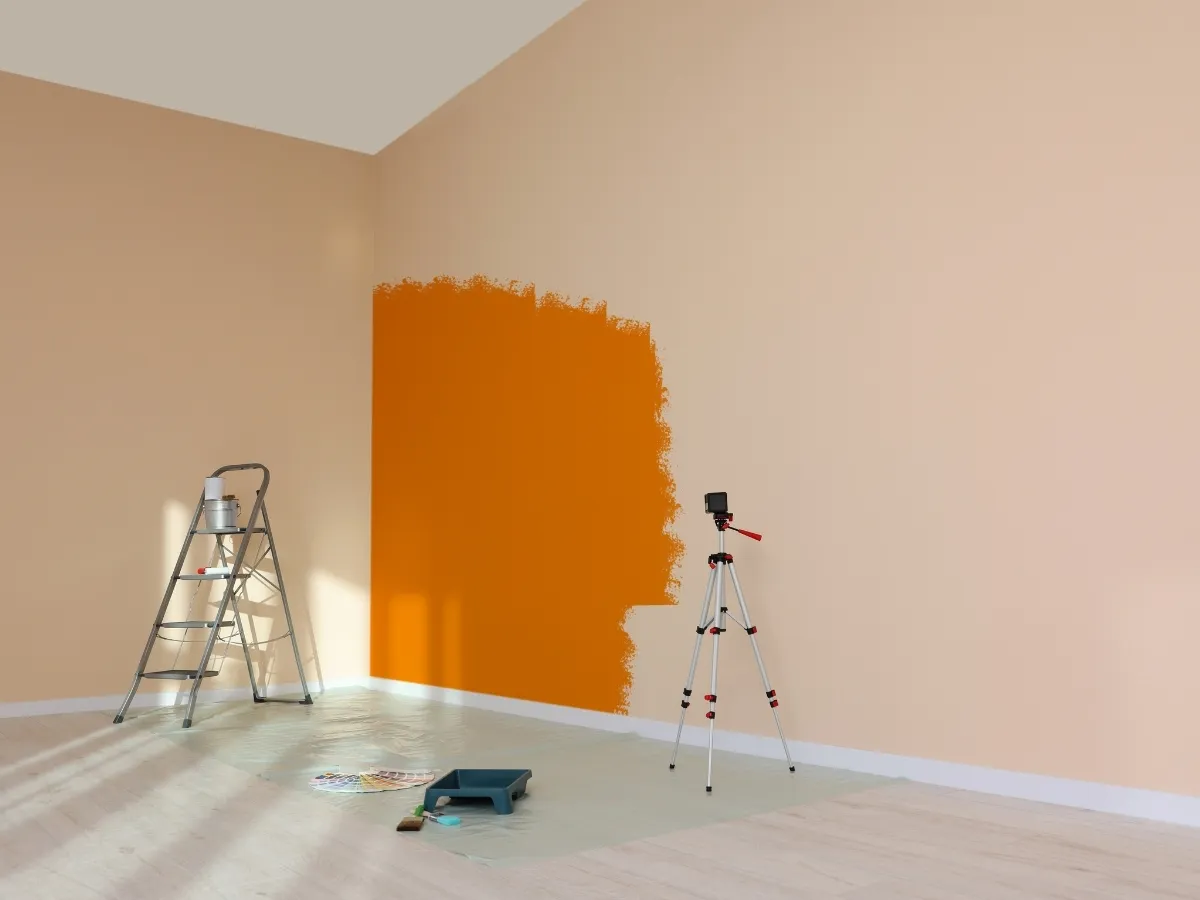
Signs interior paint is failing can be easy to miss, even though interior paint plays an important role beyond simply improving the appearance of a home. It acts as a protective layer that shields walls from moisture, stains, dust, and everyday wear caused by daily living. Over time, however, even the highest quality paint begins to lose its strength and durability. Environmental factors such as humidity, temperature changes, sunlight, and general use can slowly weaken the paint’s bond with the wall surface. When homeowners understand the early warning signs that interior paint is beginning to fail, they can address the issue before it develops into more serious damage like peeling or flaking.
Many homeowners do not notice paint deterioration until the damage becomes highly visible. By the time peeling, cracking, or bubbling paint appears, the surface underneath may already be compromised, requiring more extensive repairs. Fortunately, paint rarely fails suddenly. It typically gives off subtle clues beforehand, such as fading color, chalky residue, small hairline cracks, or areas that look dull and uneven. Paying attention to these early indicators allows homeowners to take preventative steps, such as touch-ups or repainting, which can save both time and money in the long run.
Professional painting services can help identify and resolve these issues before they escalate. At Balzer’s Brushing, we work with homeowners to maintain beautiful, durable interiors through proper preparation, high-quality materials, and expert application techniques. Our goal is to ensure that painted surfaces not only look great but also provide lasting protection for your walls. In this guide, we will explore the most common signs that interior paint is beginning to fail and explain how addressing these problems early can keep your home looking fresh, clean, and well maintained.
Why Interior Paint Can Fail Over Time
Paint may seem simple, but it plays an important role in protecting your home. It creates a barrier that shields drywall and other surfaces from damage. When paint starts to fail, that protection weakens. One common cause of paint failure is age. Even the best paint will slowly wear down after years of exposure to sunlight, humidity, and daily activity. High traffic areas often show signs of wear much sooner.
Another factor is poor preparation before painting. If the wall surface was not properly cleaned or primed, the paint may not bond well. This can cause the finish to deteriorate faster than expected. Temperature changes, moisture, and low quality paint products can also shorten the lifespan of paint. Understanding these causes helps homeowners recognize the signs interior paint is failing before serious problems appear.
Fading Colour on Your Walls
One of the earliest signs of paint failure is fading. Over time, paint can lose its original colour and appear dull or washed out. Sunlight is one of the biggest causes of fading. Rooms with large windows often experience this issue because ultraviolet rays slowly break down the paint pigments. Artificial lighting can also contribute to fading, although it happens more gradually.
When paint fades, the walls may start to look uneven in colour. Some areas may appear lighter while others still hold their original shade. This can make a room feel older and less vibrant. If fading becomes noticeable, it may be time to refresh the space with professional interior painting services that restore colour and protect the surface.
Small Cracks in the Paint Surface
Small cracks in the paint surface, often called hairline cracks, are an early sign that paint is starting to deteriorate. These tiny cracks usually develop slowly and may be difficult to notice at first. Over time, paint is exposed to temperature changes that cause it to expand and contract. As paint ages, it becomes more brittle and loses its ability to flex with these changes, leading to the formation of fine cracks across the surface.
Although these cracks may appear harmless, they can gradually worsen as the paint continues to weaken. If left untreated, the cracks can spread and eventually cause the paint to peel away from the wall. For this reason, identifying and addressing hairline cracks early can help prevent more serious damage and maintain the appearance and protection of painted surfaces.
Bubbling or Blistering Paint
Bubbling paint is another clear indicator that something is wrong. Blisters appear when sections of paint lift away from the wall and create raised areas. This problem often happens when moisture becomes trapped beneath the paint. Bathrooms, kitchens, and basements are especially vulnerable because of humidity. Poor surface preparation can also cause bubbling. If paint is applied over dust, grease, or glossy surfaces, it may not stick properly to the wall. Once bubbles begin to appear, the paint layer becomes unstable. Addressing the issue early can prevent larger sections of paint from peeling off later.
Chalky or Powdery Paint Residue
Another of the common signs interior paint is failing is chalking. This occurs when the paint surface begins to release a powdery residue. You may notice this when you run your hand across the wall and see a fine powder on your fingers. The wall may also look dull and faded even after cleaning. Chalking happens when the paint binder breaks down and releases pigment particles. This weakens the paint and reduces its ability to protect the wall. Before repainting, professionals usually clean the surface thoroughly to remove chalking. Proper preparation ensures the new paint adheres properly and lasts longer.
Stains That Keep Coming Back
Stains that keep reappearing on painted walls can be a frustrating problem for homeowners. These stains are often caused by water damage, smoke residue, or marks from previous repairs that gradually seep through the paint layer. This usually occurs when the surface was not properly sealed before painting, especially if a suitable primer was not applied. Without a strong barrier, underlying stains can slowly bleed through the paint over time.
As a result, yellow or brown spots may begin to show even after the wall has been repainted. These stains can become more noticeable as the paint ages, making the wall look dirty or damaged. Professional painters typically solve this issue by applying specialized stain-blocking primers before repainting, which helps seal the surface and prevents the stains from returning in the future.
Uneven or Patchy Wall Appearance
An uneven or patchy wall appearance is often a sign that paint is beginning to wear out or lose its original quality. Ideally, painted walls should have a smooth and consistent finish, but over time certain areas may start to look dull while others remain slightly glossy. This contrast can create a patchy effect that makes the walls appear poorly maintained, even if they are actually clean.
The problem can be caused by normal wear and tear, especially in high-traffic areas such as hallways, stairways, and entryways where walls are touched or cleaned more frequently. Repeated scrubbing can gradually wear down the paint layer, removing its uniform finish. When this happens, refreshing the paint can help restore a smooth, even appearance while also protecting the wall surface from further damage.
Paint That Feels Sticky or Soft
Paint that feels sticky or soft is often a sign that the paint has not fully cured. Normally, once paint dries and cures properly, the surface should feel smooth, firm, and completely dry to the touch. However, when the paint remains tacky, it indicates that something went wrong during the painting process. This could be due to high humidity, poor ventilation, or applying thick coats of paint that prevent proper drying. As a result, the painted surface may never achieve the durable finish it is supposed to have.
Sticky paint can also create practical problems in everyday use. Because the surface remains slightly tacky, it easily attracts dust, lint, and dirt, making walls appear dirty even shortly after they have been cleaned. This issue is especially common in areas with higher moisture levels, such as kitchens and bathrooms, where humidity interferes with the curing process. If the paint continues to stay soft for a long time, it may begin to peel, blister, or wear away more quickly, eventually requiring repainting to restore the wall’s appearance and protection.
Why Professional Painting Matters
Many paint problems happen because the original job lacked proper preparation. Professional painters understand how to prepare surfaces, select the right products, and apply paint correctly. At Balzer’s Brushing, we believe that quality painting starts long before the first brushstroke. Our team carefully inspects surfaces and repairs any issues before applying paint.
This approach ensures that the finish looks smooth and lasts longer. It also helps prevent the early signs interior paint is failing that many homeowners experience with rushed paint jobs. We also work with builders and homeowners during construction projects. Our professional new construction painting services help ensure brand new homes start with strong, durable finishes.
When It’s Time to Repaint Your Home
Even the highest-quality paint will eventually wear out and require refreshing. Over time, daily wear, sunlight, moisture, and temperature changes can weaken the paint’s appearance and performance. Recognizing the early signs that interior paint is failing helps homeowners address the issue before it leads to more serious damage. Common warning signs include fading colors, cracking or peeling paint, bubbling surfaces, and stains that continue to reappear even after cleaning. When these problems become noticeable, it is often a clear indication that the walls need a fresh coat of paint.
Repainting your home not only improves the look of your interior spaces but also helps protect the walls from further deterioration. A new coat of paint can restore color, cover imperfections, and create a cleaner, more inviting environment. Professional painters can evaluate the condition of your walls and determine the best course of action. In some cases, small touch-ups or repairs may be enough, while in others a full repaint may be necessary. Addressing paint issues early can save homeowners time, reduce long-term maintenance costs, and keep the home looking its best.
Final Thoughts
Interior paint often gives subtle warnings before it begins peeling. By learning the signs interior paint is failing, homeowners can address small issues before they turn into bigger problems. Watching for fading colour, cracks, bubbling, and stubborn stains helps you keep your walls in great condition. Regular inspections and professional maintenance can extend the life of your paint.
If your walls are starting to show these warning signs, it may be time to speak with experienced painters who can restore your interior surfaces. You can easily contact our team to discuss your painting needs and get expert guidance. At Balzer’s Brushing, we take pride in helping homeowners maintain beautiful interiors with durable, high quality painting solutions designed to last.
