
How Professional Painters Achieve Perfect Paint Lines
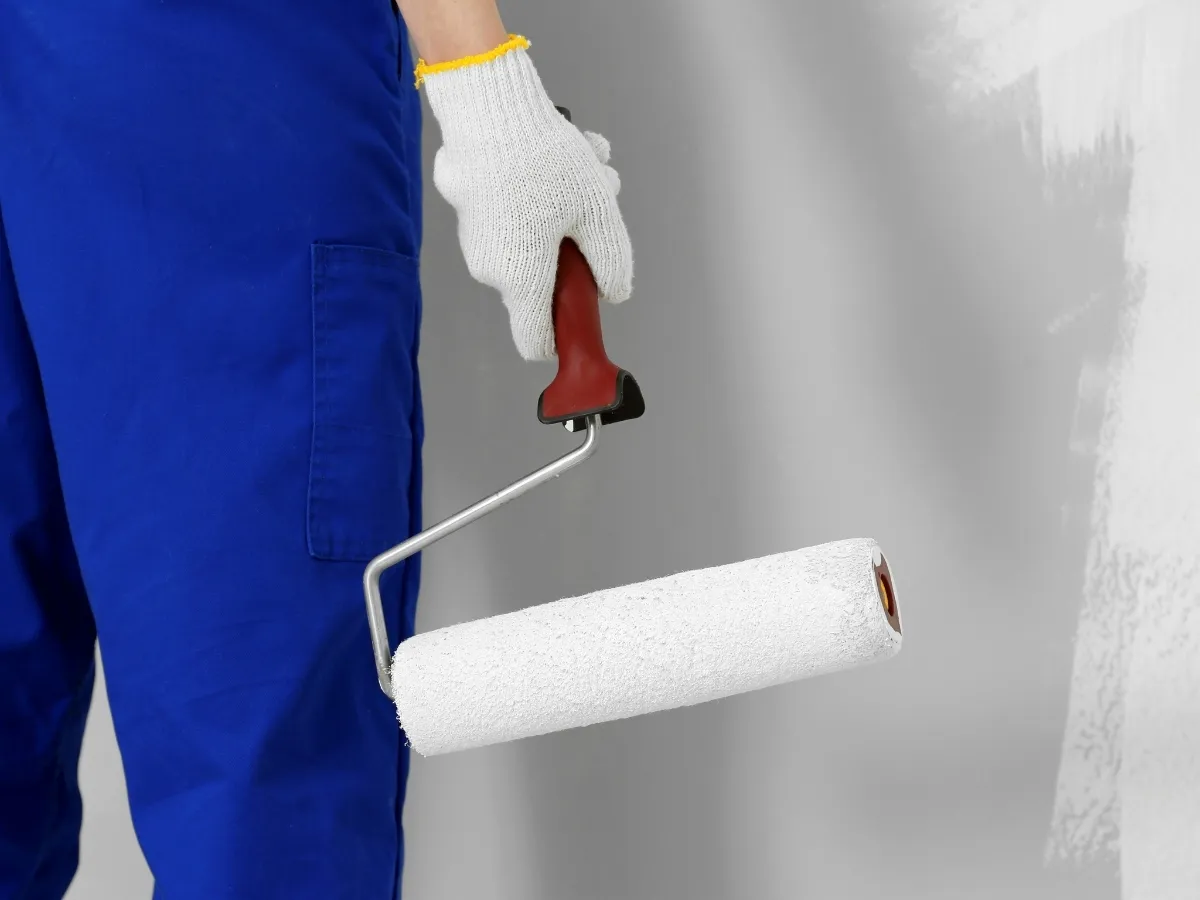
Clean, sharp paint lines play a major role in the overall appearance of a room. Straight, well-defined edges between walls, ceilings, and trim create a neat and polished look that immediately makes a space feel more refined. While many homeowners attempt to achieve these results on their own, they often discover that creating perfectly straight lines is more challenging than it seems. Even small mistakes, such as uneven edges or paint bleeding onto adjacent surfaces, can make a room appear less professional. This is where professional painting techniques and experience make a noticeable difference.
Achieving perfect paint lines requires much more than a steady hand. Professional painters begin with careful preparation, which includes cleaning surfaces, repairing imperfections, and properly taping off areas that need protection. They also use high-quality tools such as professional-grade brushes, rollers, and painter’s tape designed to create sharp edges. In addition, experienced painters know the correct application methods, including how much paint to load on a brush, the proper angle to cut in along edges, and how to maintain consistent pressure for smooth lines. These small but important techniques help prevent paint from bleeding or creating uneven edges.
At Balzer’s Brushing, attention to detail is a key part of every project we complete. Our team focuses on thorough preparation and precise application to ensure that each room has clean lines and a smooth, professional finish. By understanding the professional painting techniques used to achieve perfect paint lines, homeowners can better appreciate the skill and care involved in expert painting. The result is a cleaner, more polished interior that not only looks better but also maintains its quality for years to come.
Why Perfect Paint Lines Matter
Sharp paint lines play an important role in creating a clean and polished appearance in any room. When the edges between walls, ceilings, and trim are neat and straight, the entire space looks more organized and professionally finished. Clean lines help the paint look intentional and carefully applied, giving the room a more refined and well-maintained feel. This level of precision is often what separates a professional-quality paint job from one that appears rushed or uneven.
In contrast, uneven or messy paint lines can make a room look unfinished or poorly maintained. Even small errors along ceilings, baseboards, or corners can become very noticeable once the paint dries and the room is fully lit. Perfect paint lines also help highlight design features such as crown moulding, trim, and accent walls by clearly defining the boundaries between colors and surfaces. Achieving these results typically requires proper preparation, steady technique, and the use of professional painting methods that ensure consistent, precise edges throughout the home.
Careful Surface Preparation
Preparation is the first and most important step in achieving clean paint lines. Professional painters never rush this stage because it directly affects the final result. Walls must be clean and smooth before any paint is applied. Dust, grease, or old paint residue can prevent new paint from bonding properly. Professionals usually wipe down surfaces and repair any small dents or cracks. After cleaning, painters may sand the surface lightly to create a smooth base. This step helps the paint spread evenly and prevents rough edges. Proper preparation ensures that paint adheres correctly and supports the professional painting techniques used later in the process.
Using High Quality Painter’s Tape
Using high-quality painter’s tape is an essential technique for achieving clean and professional-looking paint lines. Professional painters carefully apply tape along edges where different surfaces meet, such as between walls and trim, ceilings, or baseboards. However, simply placing the tape on the surface is not enough to guarantee sharp lines. Painters make sure to press the tape firmly along the edge to create a tight seal, which helps prevent paint from seeping or bleeding underneath.
The quality of the tape also plays an important role, as premium painter’s tape is specifically designed to adhere well during painting but remove easily without leaving residue or damaging the surface. When applied correctly, painter’s tape becomes one of the simplest yet most effective techniques professionals use to achieve crisp, precise edges and a polished final result.
Cutting In with Precision
Cutting in is a technique used to paint the edges of walls before using a roller. This step allows painters to reach tight areas near ceilings, corners, and trim. Professional painters use angled brushes that provide better control when working close to edges. These brushes help create smooth lines without overlapping onto nearby surfaces. A steady hand and consistent brush movement are essential during this step. Painters often work slowly and carefully to maintain a straight edge. Cutting in is one of the most important professional painting techniques used to create perfect paint lines in any room.
Maintaining a Wet Edge
Maintaining a wet edge is an important technique professional painters use to create a smooth and even finish. This method involves applying paint in sections that remain slightly wet while new paint is added next to them. If one section of paint dries before the next section is applied, visible lines or streaks may appear where the two areas meet.
By keeping a wet edge, painters can blend the fresh paint seamlessly into the previous section, preventing these marks and creating a uniform surface. Professionals typically work in smaller areas and move steadily across the wall to ensure the paint stays wet as they continue painting. This approach requires careful planning, timing, and experience, which is why DIY painters often find it challenging to achieve the same consistent results.
Choosing the Right Tools
Professional painters rely on high quality tools to deliver precise results. Brushes, rollers, and extension poles all play a role in achieving clean paint lines. Angled brushes are commonly used for cutting in because they allow painters to control the paint more easily. High density rollers help apply paint evenly across larger surfaces. Using the correct tools also helps prevent paint splatters and uneven coverage. When homeowners invest in professional interior painting services, they benefit from the expertise and equipment that professionals bring to every project.
Applying the Right Amount of Paint
Applying the right amount of paint is essential for achieving a smooth and professional-looking finish. When too much paint is applied, it can lead to drips, runs, and uneven edges that are difficult to fix once the paint begins to dry. On the other hand, using too little paint can result in thin coverage, visible streaks, or areas where the underlying surface shows through.
Professional painters are skilled at loading their brushes and rollers with the proper amount of paint, allowing them to apply it evenly without creating excess buildup. They also use steady, controlled strokes that help distribute the paint smoothly across the surface. This balanced approach ensures consistent coverage and clean edges, which is one of the key reasons professional painting techniques produce such polished and reliable results.
Removing Painter’s Tape at the Right Time
Removing painter’s tape at the right time is an important step in achieving clean, sharp paint lines. If the tape is removed too early, the paint may still be wet and can smear or spread along the edge, ruining the neat finish. On the other hand, if the tape is left on for too long, the paint may fully dry and begin to peel away with the tape when it is removed.
Professional painters carefully monitor the drying process and typically remove the tape when the paint is slightly dry but not completely hardened. They also pull the tape back slowly at an angle to avoid damaging the fresh paint line. Paying attention to small details like this helps ensure a crisp edge and demonstrates the value of professional experience in painting projects.
Experience Makes a Big Difference
While tools and materials are important, experience is what truly sets professional painters apart. Years of practice help painters develop the steady hands and techniques needed for precise work. Professional painters understand how different paints behave and how lighting can affect the final appearance of a room. They also know how to adjust their techniques based on wall texture and surface conditions. These skills allow them to produce clean paint lines consistently across different types of projects. At Balzer’s Brushing, our team uses proven professional painting techniques to ensure every project meets high standards.
Professional Painting for New Homes
Perfect paint lines are especially important in newly built homes. Clean edges help highlight architectural features and give the home a polished appearance from the start. New construction projects require careful planning and coordination with builders and homeowners. Professional painters ensure that surfaces are properly prepared before painting begins. This preparation helps the paint last longer and prevents common problems such as cracking or uneven finishes. Our new construction painting services ensure that every new home receives precise paint lines and durable finishes that enhance its overall design.
Homeowners often attempt DIY painting but struggle to achieve clean edges. Even small imperfections can become noticeable once the paint dries. Professional painters use the right tools, preparation methods, and professional painting techniques to deliver smooth and accurate results. Hiring professionals also saves time and reduces stress. Instead of spending days trying to perfect paint lines, homeowners can rely on experienced painters to complete the project efficiently. The result is a home that looks beautifully finished and professionally maintained.
Final Thoughts
Clean paint lines are one of the details that truly elevate the look of a room. Achieving them requires careful preparation, precise tools, and proven professional painting techniques. From cutting in edges to maintaining a wet paint surface, professional painters follow steps that ensure smooth and consistent results. These techniques help create the sharp lines that make interiors look polished and inviting.
If you want flawless paint lines in your home, working with experienced professionals is the best way to achieve them. Our team at Balzer’s Brushing is dedicated to delivering high quality painting results that homeowners can rely on. You can contact our team today to discuss your project and learn how our expertise can transform your interior spaces with beautiful, precise paint finishes.
