
How to Prevent Paint From Cracking Over Time
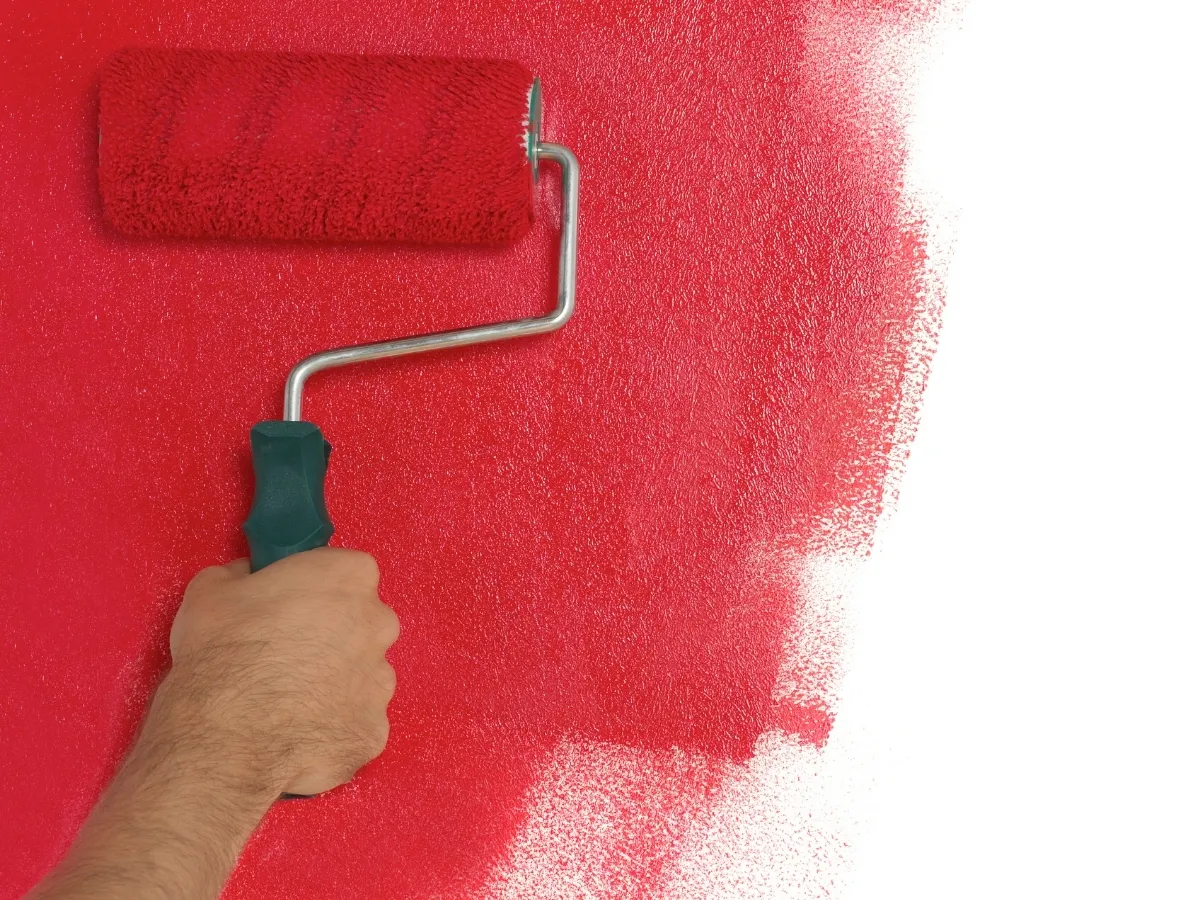
Fresh paint can dramatically improve the look and feel of a home. Smooth walls and vibrant colours create a clean, welcoming atmosphere in any room. However, over time, paint can sometimes develop cracks that affect both the appearance and durability of the finish. These cracks may start as small hairline lines but can gradually become more noticeable if the underlying cause is not addressed. Understanding how to prevent paint cracking is important for maintaining a long-lasting and attractive paint job.
Paint cracking usually occurs when the paint film becomes brittle or fails to bond properly with the surface beneath it. Several factors can contribute to this problem, including poor surface preparation, applying paint too thickly, or painting over dirty or glossy surfaces without proper priming. In some cases, environmental conditions such as extreme temperature changes or excessive moisture can also weaken the paint layer over time. When the paint loses its flexibility, it may begin to split as the surface underneath expands and contracts.
Preventing paint cracking begins with careful preparation and proper painting techniques. Surfaces should be cleaned, repaired, and primed when necessary to create a strong foundation for the paint. Applying multiple thin coats rather than one thick layer also helps the paint dry evenly and maintain its flexibility. At Balzer’s Brushing, we focus on professional preparation and application methods that reduce the risk of cracking and other paint failures. By understanding how to prevent paint cracking, homeowners can ensure their walls remain smooth, durable, and visually appealing for many years.
What Causes Paint Cracking?
Paint cracking occurs when the paint film loses its flexibility and begins to break apart over time. Several factors can contribute to this problem, and understanding them is important before attempting to fix or prevent it. One common cause is poor surface preparation. If paint is applied over dirt, grease, dust, or loose old paint, it may not bond properly with the surface. As the paint dries and ages, this weak bond can lead to cracks forming in the paint layer.
Another factor that contributes to cracking is applying paint too thickly. When heavy layers of paint are used, the outer surface may dry faster than the paint underneath. This uneven drying can create stress within the paint film, eventually causing it to crack. Environmental conditions such as temperature fluctuations, moisture exposure, and the natural aging of paint materials can also weaken the coating over time. Understanding these factors is an important first step in learning how to prevent paint cracking and maintain a durable finish.
Proper Surface Preparation
Preparation is one of the most important steps in any painting project. A clean and stable surface allows paint to adhere properly. Walls should be cleaned to remove dust, grease, and residue before painting begins. Any loose or peeling paint should be scraped away. Small cracks or holes in the wall should also be repaired before applying paint. These repairs help create a smooth and even base for the new paint. Professional interior painting services always begin with thorough surface preparation to prevent future paint problems.
Use High Quality Primer
Using a high-quality primer is an important step in many painting projects because it helps create a strong bond between the surface and the paint. Primer acts as a foundation that allows paint to adhere more evenly, which can reduce the risk of cracking, peeling, or other surface problems over time. It is especially useful for sealing porous materials such as new drywall, wood, or repaired areas that might otherwise absorb paint unevenly. When primer is not used, paint may soak into the surface at different rates, weakening the paint film and leading to an inconsistent finish. By creating a smooth and sealed base, primer helps the paint perform better and last longer, making it one of the most effective ways to prevent paint cracking.
Apply Paint in Thin, Even Coats
Applying paint too thickly can cause problems as the paint dries. When heavy layers dry, the outer surface may harden while the inner layer remains soft. This uneven drying can create tension within the paint film. Over time, that tension may cause the paint to crack. Professional painters apply paint in thin and even layers. This allows each coat to dry evenly and form a strong bond with the surface. Multiple thin coats are far more effective than a single heavy coat when trying to prevent paint cracking.
Allow Proper Drying Time
Allowing proper drying time between paint coats is an essential part of achieving a durable and long-lasting finish. When a second coat of paint is applied too quickly, moisture from the first layer can become trapped between the coats. This trapped moisture can weaken the paint film as it cures, which may eventually lead to cracking or other surface problems.
To avoid these issues, professional painters carefully follow the manufacturer’s recommended drying times before applying additional layers. This ensures that each coat has enough time to set and form a stable base for the next application. Allowing paint to dry fully not only helps prevent cracking but also improves the overall strength, appearance, and durability of the finished paint surface.
Choose the Right Paint for the Surface
Selecting the correct type of paint for a specific surface is an important step in preventing paint cracking. Different materials and environments place different demands on paint, and using the wrong product can lead to premature wear or damage. For example, areas exposed to high humidity, such as bathrooms or kitchens, may require paints that are designed to resist moisture and mildew. These specialized formulas help the paint maintain its integrity even when exposed to steam or damp conditions.
Exterior surfaces face different challenges, including temperature fluctuations, sunlight, and changing weather conditions. Paint used outdoors must remain flexible so it can expand and contract with the material beneath it. Professional painters evaluate each surface carefully before selecting a paint product, considering factors such as location, exposure to moisture, and the type of material being painted. Choosing the appropriate paint helps maintain the strength and flexibility of the paint film, reducing the risk of cracking over time.
Control Temperature and Humidity
Environmental conditions play a major role in how paint dries and cures after application. Temperature and humidity levels can influence the strength and durability of the paint film. When conditions are not ideal, the paint may not form a stable bond with the surface. This can weaken the coating and increase the likelihood of problems such as cracking, peeling, or uneven drying.
Paint generally performs best when applied within moderate temperature ranges and controlled humidity levels. If the environment is too hot, the paint may dry too quickly, which can make the finish brittle and more likely to crack over time. On the other hand, cold or highly humid conditions can slow the curing process and create weak areas in the paint layer. Maintaining balanced environmental conditions during painting helps support proper curing and is an important step in preventing paint cracking while ensuring long-lasting results.
Address Structural Movement
Homes naturally expand and contract as temperatures change throughout the year. Materials such as wood, drywall, and siding respond to heat and cold by shifting slightly. Although these movements are usually small, they can place stress on painted surfaces over time. When the underlying material moves, the paint layer must be able to adjust without breaking. If the paint is too rigid, these small structural shifts can cause the paint film to crack.
High-quality paints are designed with flexible properties that allow them to expand and contract along with the surface beneath them. This flexibility helps maintain the integrity of the paint and reduces the risk of visible cracks. Professional painters understand these factors and choose paint products that can handle normal structural movement while still providing a durable and long-lasting finish.
Preventing Cracks in New Homes
Newly built homes can also experience paint cracking if surfaces are not properly prepared. Fresh drywall and building materials may shift slightly as the home settles. Professional painters use proper primers and flexible paints to help accommodate this movement. Our new construction painting services ensure that new homes receive durable paint finishes that resist cracking as the structure settles. This careful preparation helps protect the appearance of new homes from the start.
Painting may appear simple, but achieving long lasting results requires careful planning and experience. Professional painters understand how to prepare surfaces, select appropriate paints, and apply coatings correctly. These steps help eliminate many of the issues that cause cracked paint. At Balzer’s Brushing, we focus on every stage of the painting process to ensure durable finishes. Our team uses proven methods to prevent paint cracking and protect the beauty of your home.
Final Thoughts
Cracked paint can affect both the appearance and protection of your walls. Fortunately, most paint cracking can be avoided with the right preparation and techniques. Learning how to prevent paint cracking helps homeowners maintain smooth and durable paint finishes. Proper cleaning, priming, and application methods all play important roles in preventing cracks. High quality materials and controlled drying conditions also contribute to long lasting paint.
If you are planning a painting project and want professional results, expert help can make a big difference. You can contact our team to discuss your project and learn how professional preparation and application help your paint stay smooth and beautiful for years to come. At Balzer’s Brushing, we believe great painting is built on preparation, precision, and quality materials that ensure every home receives lasting protection and style.
