
Why Surface Cleaning Is Critical Before Exterior Painting
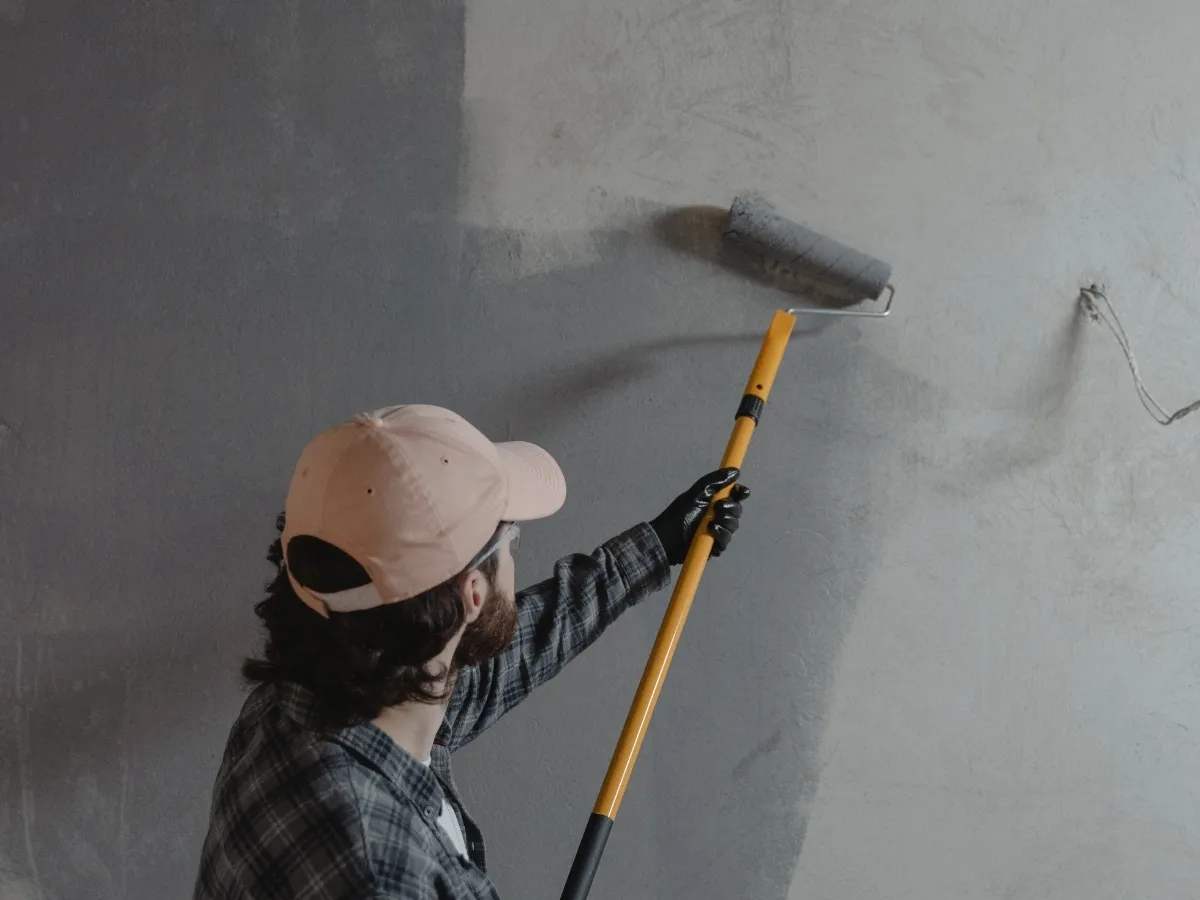
Exterior painting is one of the most effective ways to improve a home’s appearance while also protecting it from the elements. A fresh coat of paint can enhance curb appeal and provide a protective barrier against rain, sunlight, and general wear. However, achieving a durable and professional-looking result requires more than simply applying paint to the surface. Proper preparation is a critical part of the process, and one of the most important preparation steps is cleaning the exterior thoroughly. Understanding the importance of pressure washing before painting helps ensure that the paint adheres properly and lasts as long as possible.
Over time, exterior surfaces accumulate dirt, dust, mold, mildew, and other contaminants from exposure to the outdoor environment. These substances may not always be immediately visible, but they can interfere with how paint bonds to the surface. If paint is applied over these layers of debris, the coating may struggle to adhere correctly, which can result in problems such as peeling, bubbling, or uneven coverage. Pressure washing removes these contaminants and creates a clean surface that allows the paint to bond more effectively.
Professional painters rely on proper surface cleaning to ensure high-quality results. Pressure washing not only removes visible dirt but also clears away mildew and residue that could weaken the paint over time. At Balzer’s Brushing, we treat preparation as the foundation of every successful exterior painting project. By understanding why pressure washing before painting is essential, homeowners can see how this important step helps create a smoother finish, stronger adhesion, and longer-lasting protection for their home’s exterior surfaces.
What Is Pressure Washing?
Pressure washing is a cleaning method that uses a high-pressure stream of water to remove dirt, debris, and buildup from surfaces. The force of the water allows it to wash away grime that ordinary cleaning tools may not be able to remove effectively. This process is commonly used on exterior areas such as siding, decks, driveways, fences, and walkways. Over time, these surfaces can accumulate layers of dust, algae, mildew, and loose paint that make them look worn or dirty.
In painting projects, pressure washing plays an important role in preparing the surface. By removing contaminants and old debris, it creates a clean and stable base for new paint to adhere to. When surfaces are properly cleaned, the paint can bond more effectively with the material underneath, helping the finish last longer and look smoother. Understanding the purpose of this preparation step highlights the importance of pressure washing before painting to achieve durable and professional results.
Removing Dirt and Surface Debris
Over time, outdoor surfaces accumulate dust, pollen, and dirt from the surrounding environment. These particles may seem harmless, but they can interfere with paint adhesion. If paint is applied over dirt or debris, it sticks to the contamination rather than the surface itself. As the dirt loosens or washes away, the paint may begin to peel. Pressure washing removes these particles and exposes the clean surface beneath. This allows the paint to attach securely to the siding or trim. Removing debris is one of the most important benefits of pressure washing before painting.
Eliminating Mold and Mildew
Mold and mildew are common problems on exterior surfaces, especially in areas with moisture or shade. These growths can appear as dark spots or stains on siding and trim. Painting over mold or mildew does not solve the problem. In fact, it can allow the growth to continue beneath the paint layer. Pressure washing helps remove these organisms from the surface. In many cases, professional painters also use cleaning solutions that help prevent regrowth. Eliminating mold and mildew is another reason why pressure washing before painting is critical for exterior preparation.
Removing Loose or Peeling Paint
Older paint may begin to crack or peel after years of exposure to weather. If new paint is applied over loose paint, the new layer will likely fail as well. Pressure washing helps remove weak or flaking paint before the new coat is applied. This step reveals areas that may require sanding or repair. By removing unstable paint layers, professionals ensure that the new paint bonds to a solid surface. This preparation step supports the overall durability of the paint job.
Creating a Smooth Surface for Painting
Smooth surfaces allow paint to spread evenly across siding and trim. Dirt, debris, and peeling paint can create rough spots that affect the final appearance. Pressure washing helps create a more uniform surface before painting begins. Once cleaned, painters can identify areas that need additional preparation. This may include sanding, caulking, or priming certain sections of the home. A smooth surface improves both the appearance and longevity of the paint.
Improving Paint Adhesion
Paint adhesion refers to how well a layer of paint bonds to the surface beneath it. When paint adheres properly, it forms a strong and durable coating that can withstand weather exposure, temperature changes, and everyday wear. Good adhesion is essential for maintaining a smooth and long-lasting paint finish on exterior surfaces.
If a surface is not properly cleaned before painting, dirt, dust, mildew, and other contaminants can prevent the paint from bonding correctly. As a result, the paint may begin to peel, crack, or bubble sooner than expected. Pressure washing before painting helps eliminate these surface contaminants and creates a clean, stable base for the new paint. With improved adhesion, the paint is more likely to remain intact for many years while providing reliable protection for the home’s exterior.
Preventing Future Paint Problems
Many paint problems begin with inadequate surface preparation. While skipping the cleaning step may seem like a way to save time at the start of a project, it often leads to more serious issues later. Dirt, mildew, and other contaminants left on the surface can interfere with the paint’s ability to bond properly. When this happens, the paint may begin to peel, crack, or blister much sooner than expected.
If paint fails prematurely, homeowners may need to remove the damaged paint through scraping and sanding before applying new coats. This process can be time-consuming and costly compared to preparing the surface correctly from the beginning. Pressure washing helps remove the contaminants that commonly cause these problems, creating a clean and stable surface for painting. By reducing the risk of paint failure and extending the life of the finish, this preparation step clearly demonstrates the value of pressure washing before painting.
Allowing the Surface to Dry Properly
After pressure washing is completed, it is essential to allow the surface to dry fully before applying any paint. If moisture remains trapped in the material, the paint may not adhere properly. This trapped moisture can later cause problems such as bubbling, peeling, or blistering as the paint dries and cures. Allowing the surface to dry completely helps ensure that the paint bonds securely and performs as intended.
Professional painters carefully monitor drying conditions before beginning the painting process. Factors such as temperature, humidity, sunlight, and the type of surface being painted can all influence how long drying takes. Some materials may retain moisture longer than others, requiring additional time before they are ready for paint. By waiting until the surface is completely dry, painters help create a stable foundation for the new paint, which contributes to a more durable and long-lasting finish.
Why Professional Preparation Matters
Pressure washing may seem like a simple task, but it requires experience and proper equipment. Too much pressure can damage siding or force water into unwanted areas. Professional painters know how to adjust pressure levels based on the type of material being cleaned. They also understand which cleaning solutions work best for removing mildew and stains. At Balzer’s Brushing, careful preparation is part of every project we complete, including our interior painting services.
Our goal is always to create a strong foundation before any paint is applied. This attention to detail ensures the final results look beautiful and last longer. Surface cleaning is also important during renovation projects and new construction. Even newly installed siding may collect dust, construction debris, or residue before painting begins. Cleaning these surfaces ensures the paint bonds properly from the start. Our new construction painting services include thorough preparation so new homes receive strong and durable paint finishes. This preparation helps protect the home from the moment it is completed.
Final Thoughts
Exterior painting is an investment in the beauty and protection of your home. However, the success of that investment depends heavily on preparation. Understanding the importance of pressure washing before painting helps homeowners see why cleaning is a critical step. Removing dirt, mildew, and loose paint creates the ideal surface for strong paint adhesion. This preparation helps paint last longer and maintain its appearance through changing weather conditions.
If you are planning to refresh your home’s exterior, professional preparation can make all the difference. You can contact our team to discuss your project and learn how proper surface cleaning supports long lasting painting results. At Balzer’s Brushing, we believe that great paint jobs begin with careful preparation, ensuring every home receives the quality and protection it deserves.
