
What Causes Exterior Paint to Peel Prematurely
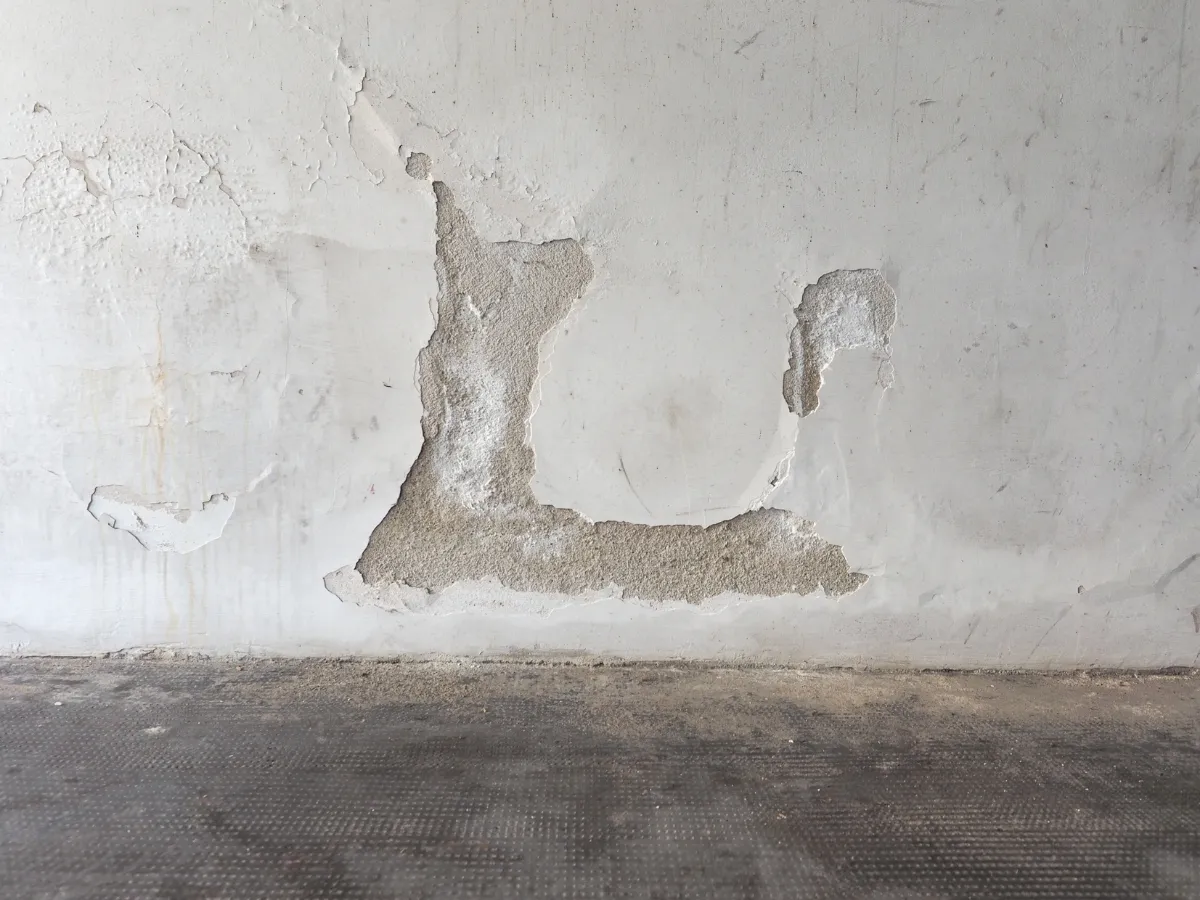
Exterior paint serves as a protective barrier that shields a home from weather, moisture, and environmental wear while also enhancing its curb appeal. When paint begins to peel prematurely, it can quickly affect both the appearance and the protection of exterior surfaces. Peeling paint exposes the materials beneathsuch as wood, siding, or trim to the elements, increasing the risk of moisture damage and deterioration. Understanding the common peeling exterior paint causes can help homeowners recognize early warning signs and take steps to prevent more serious problems.
One of the most common causes of peeling exterior paint is moisture. Water can enter surfaces through small cracks, gaps around windows and doors, or areas where paint has already begun to weaken. When moisture becomes trapped beneath the paint layer, it causes the paint to lose adhesion and eventually lift or peel away from the surface. This problem can be made worse by poor ventilation inside the home, leaking gutters, or high humidity levels. Addressing moisture issues and ensuring proper sealing around exterior openings are important steps in preventing paint failure.
Another major factor that contributes to peeling paint is improper surface preparation before painting. If surfaces are not thoroughly cleaned, sanded, or primed, the new paint may not bond properly with the material underneath. Dirt, old peeling paint, or glossy surfaces can prevent paint from adhering effectively. In addition, using low-quality paint or applying paint during unsuitable weather conditions can shorten the lifespan of the finish. By preparing surfaces carefully, using high-quality materials, and applying paint under proper conditions, homeowners can significantly reduce the risk of premature peeling and maintain a durable exterior finish.
Why Exterior Paint Peels
Exterior paint works by forming a protective layer that adheres tightly to the surface of the home. This bond allows the paint to shield the material beneath it from environmental exposure while maintaining a smooth and durable finish. When the bond between the paint and the surface weakens, the paint begins to separate from the underlying material. This loss of adhesion is one of the primary causes of peeling exterior paint and can compromise both the appearance and protection of the surface.
Peeling often begins in small, localized areas where the paint layer first loses its grip. These spots may appear as tiny bubbles, cracks, or lifted edges that gradually worsen over time. As the paint continues to be exposed to moisture, temperature changes, and other environmental conditions, the affected areas can spread. Eventually, larger sections of paint may begin to lift, flake, or peel away from the surface. Understanding the factors that cause paint to lose adhesion is important for preventing future peeling and maintaining a durable exterior finish.
Moisture Exposure
Moisture is one of the most common peeling exterior paint causes. Water can enter the surface through cracks, gaps, or unsealed areas. Once moisture reaches the underlying material, it weakens the paint’s bond. Rain, humidity, and snow can all contribute to this problem. Improper drainage around the home may also allow water to collect near painted surfaces. When moisture becomes trapped beneath the paint layer, it creates pressure that pushes the paint away from the surface. This often leads to bubbling and peeling. Maintaining proper sealing and ventilation helps reduce moisture related paint damage.
Poor Surface Preparation
Surface preparation is one of the most important steps in any painting project. If the surface is not properly prepared, the paint may not adhere correctly. This is another major factor behind peeling exterior paint. Before painting begins, surfaces should be cleaned thoroughly to remove dirt, grease, and mildew. Old peeling paint should also be scraped away. Sanding rough areas and applying primer helps create a smooth base for the new paint. Without these preparation steps, paint may struggle to bond with the surface. Professional painters take time to prepare surfaces carefully before applying paint.
Low Quality Paint Products
The quality of paint used also plays a significant role in peeling exterior paint causes. Lower quality paints often contain weaker binders and pigments. These materials may break down more quickly when exposed to outdoor conditions. High quality exterior paints are designed to resist moisture, sunlight, and temperature changes. They contain additives that improve durability and adhesion. Using inferior paint products may result in peeling, cracking, or fading much sooner than expected. Investing in premium paint products helps ensure long lasting protection for your home.
Extreme Temperature Changes
Outdoor surfaces experience frequent temperature changes throughout the year. Heat from the sun and cooler nighttime temperatures can cause materials to expand and contract. These movements can contribute to peeling exterior paint causes. If the paint layer is not flexible enough to move with the surface, it may begin to crack or peel. Painting during extreme weather conditions can also affect paint performance. Paint applied during very hot or very cold temperatures may not cure properly. Professional painters carefully choose the right weather conditions for exterior painting projects.
Sun Exposure and UV Damage
Sunlight contains ultraviolet rays that gradually weaken paint over time. These rays break down paint pigments and reduce the strength of the protective layer. Sun damage is another common factor among peeling exterior paint causes. Areas of the home that receive direct sunlight throughout the day may deteriorate faster than shaded sections. As the paint weakens, it becomes more susceptible to cracking and peeling. Using UV resistant paint products helps slow this process. Proper maintenance also helps protect painted surfaces from excessive sun exposure.
Painting Over Dirty or Damp Surfaces
Painting over dirty or damp surfaces is another common mistake that can lead to peeling exterior paint. For paint to adhere properly, the surface must be clean, dry, and stable. When moisture, dirt, or debris remains on the surface during application, the paint cannot form a strong bond with the material beneath it. As a result, the paint layer may begin to separate from the surface soon after it dries, leading to early signs of peeling or flaking.
For example, applying paint shortly after rainfall can trap moisture beneath the paint layer. As temperatures change, this trapped moisture may expand, creating pressure that pushes the paint away from the surface. In a similar way, dust or dirt left on the exterior can create small weak points where adhesion fails. Over time, these weak spots can grow into larger peeling areas as the paint continues to lose its grip. Professional painters prevent these problems by thoroughly cleaning surfaces and ensuring they are completely dry before beginning the painting process.
Lack of Primer
Primer plays a crucial role in helping exterior paint adhere properly to a surface. When primer is skipped during the painting process, the paint may struggle to form a strong bond with the material beneath it. This is one of the common causes of peeling exterior paint. Primer works by creating a stable and uniform base that allows the topcoat of paint to attach more securely, improving the overall performance of the paint system.
In addition to improving adhesion, primer helps seal porous materials such as wood, brick, or masonry. Without this sealing layer, paint can absorb unevenly into the surface, which may lead to weak spots where the paint does not adhere properly. Over time, these areas are more likely to develop peeling or flaking as environmental conditions affect the paint. Using the correct primer for the surface type helps ensure better paint adhesion, greater durability, and a longer lasting exterior finish.
Regular Maintenance Prevents Peeling
Routine maintenance plays an important role in preventing many of the common causes of peeling exterior paint. Over time, environmental conditions such as sunlight, moisture, and temperature changes can gradually affect painted surfaces. By inspecting the exterior of the home regularly, homeowners can identify early signs of wear before they develop into larger problems. Catching these issues early allows for timely repairs that help preserve the integrity of the paint.
Minor issues such as small cracks, isolated peeling spots, or areas of fading should be addressed as soon as they appear. Touching up these areas helps prevent damage from spreading and protects the underlying surface. In addition, cleaning exterior walls once or twice a year removes dirt, dust, and pollutants that may weaken the paint over time. Consistent maintenance helps extend the lifespan of exterior paint while keeping the home’s appearance clean and well maintained.
Professional Painting Ensures Long Lasting Results
Professional painters understand the many peeling exterior paint causes and how to prevent them. They follow detailed preparation steps and use high quality materials designed for outdoor durability. Proper cleaning, sanding, priming, and paint application all contribute to a stronger and longer lasting finish. While our interior painting services focus on indoor spaces, the same commitment to preparation and quality applies to every painting project we complete. Working with experienced painters helps homeowners avoid common painting mistakes.
New construction homes can also experience peeling if proper painting methods are not used. Applying paint to surfaces that are not fully cured or prepared may lead to early failure. Professional painters carefully inspect new materials and ensure they are ready for painting before beginning the project. Our new construction painting services help homeowners achieve strong and durable finishes that resist peeling and environmental damage. Starting with proper preparation ensures long lasting results.
Final Thoughts
Peeling paint is more than a cosmetic issue. It exposes the underlying surfaces of your home to moisture and environmental damage. Understanding peeling exterior paint causes helps homeowners take the right steps to prevent these problems and maintain a strong paint finish. At Balzer’s Brushing, we provide professional painting services designed to deliver durable and long lasting results.
Our experienced team focuses on careful preparation, high quality materials, and expert application techniques. If your home’s exterior paint is beginning to peel or show signs of wear, visit our contact page to connect with Balzer’s Brushing and learn how our professional painting services can restore and protect your home’s exterior.
