
How Professional Painters Handle Textured Walls
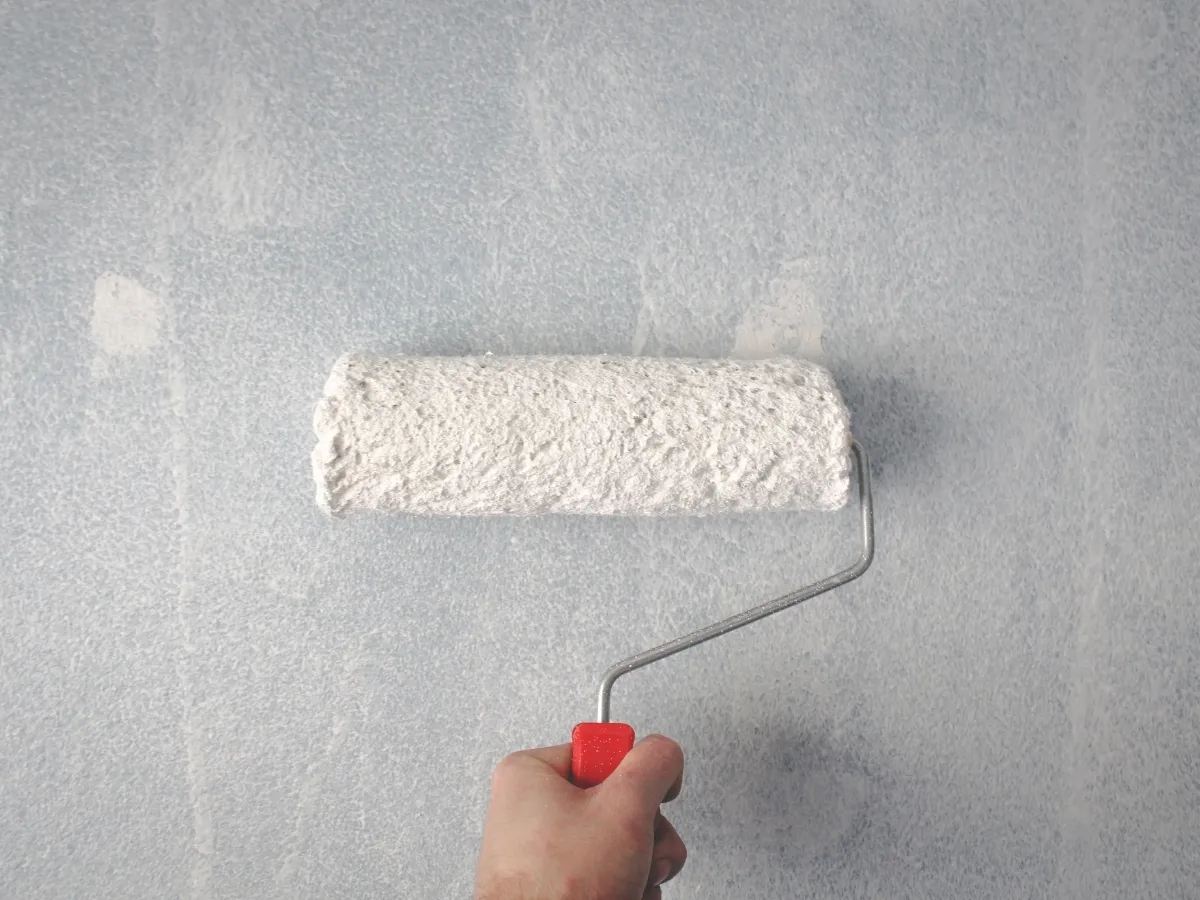
Professional painters begin by thoroughly preparing textured walls before applying any paint. Because textured surfaces contain many small grooves and raised areas, dust and debris can easily collect within them. Professionals typically clean the walls using a soft brush, vacuum attachment, or damp cloth to remove dirt that could prevent paint from adhering properly. Any damaged areas are also repaired carefully so that the existing texture remains consistent with the rest of the wall. Proper preparation ensures that the new coat of paint will bond evenly to both the high and low points of the textured surface.
Selecting the correct tools is another important step when painting textured walls. Standard rollers designed for smooth surfaces often fail to reach into the deeper crevices of textured finishes. Professional painters use thicker nap rollers, which are specifically designed to hold more paint and distribute it into the textured areas more effectively. In some situations, painters may also use brushes to work paint into tight spots or detailed sections of the texture. By using the appropriate tools, professionals can achieve full coverage without flattening or damaging the existing wall texture.
Finally, professional painters apply paint using techniques that maintain the appearance of the texture while ensuring consistent coverage. They often use a method that involves applying paint in multiple directions so the paint reaches every angle of the surface. This may include rolling vertically, horizontally, and lightly back-rolling to even out the finish. In many cases, two coats of paint are applied to ensure durability and uniform color across the entire wall. With careful preparation, the right equipment, and proper application techniques, professional painters can successfully refresh textured walls while preserving their distinctive look.
Understanding Different Types of Wall Texture
Understanding the type of wall texture is an important step before beginning any painting project. Different textured finishes vary in pattern, depth, and thickness, all of which influence how paint should be applied. Some of the most common textured wall styles include orange peel texture, knockdown texture, popcorn texture, and sand finish texture. Each of these surfaces has a distinct appearance created by small bumps, grooves, or raised patterns. Because of these variations, painting textured walls requires more attention than painting smooth surfaces.
The raised and recessed areas of textured walls must both be properly coated to achieve an even and consistent finish. Paint needs to reach deep into the grooves while still covering the higher points of the texture without creating buildup. For this reason, painters often select specific rollers, brushes, or application methods that are better suited for textured surfaces. Identifying the type of wall texture in advance helps determine the most effective tools and techniques, ensuring that the paint adheres properly and the final result looks balanced and professional.
Why Textured Walls Require Special Techniques
Painting textured walls presents unique challenges compared to painting smooth, flat surfaces. The uneven patterns and grooves found in textured finishes make it more difficult for paint to spread evenly using standard painting methods. If too little paint is applied, the recessed areas of the texture may not receive enough coverage, leaving visible gaps or lighter patches. At the same time, applying too much paint can cause buildup along the raised portions of the texture, which may lead to drips, uneven thickness, or a heavy appearance on the wall.
To achieve a balanced and consistent finish, painters often adjust their techniques when working with textured surfaces. They carefully apply paint in a way that allows it to reach both the high and low areas of the texture without overwhelming the pattern itself. Maintaining this balance helps preserve the character of the textured wall while ensuring that the entire surface is properly coated. Using the correct tools, preparing the surface thoroughly, and applying paint with controlled movements all contribute to producing a clean, even result that enhances the appearance of the textured wall.
Preparing Textured Surfaces Before Painting
Preparation is a crucial step when painting textured walls. Dust, cobwebs, and dirt can collect in the small grooves of textured surfaces over time. Before painting begins, the walls should be cleaned carefully to remove debris. A soft brush or vacuum attachment can help remove dust from the textured areas. If the wall has small cracks or damaged sections, these areas should be repaired before painting. Once repairs are complete, the surface should be allowed to dry fully. Clean and properly prepared walls allow paint to adhere more effectively.
Using Primer for Better Coverage
Primer plays an essential role when preparing textured walls for painting. Because textured surfaces contain many small grooves, ridges, and recessed areas, primer helps create a consistent base layer that allows paint to adhere more evenly. Without primer, paint may absorb differently across various parts of the surface, especially in the deeper sections of the texture. Applying primer helps seal the wall and ensures that the paint spreads more uniformly, which contributes to a smoother and more balanced final appearance.
In addition to improving coverage, primer also helps enhance the overall durability of the paint job. It can seal porous areas of the wall that might otherwise absorb paint unevenly, preventing patchy or inconsistent color results. Primer is particularly useful when covering darker wall colors, stains, or areas that have been repaired or patched. By creating a stable surface for the paint to bond to, professional painters can achieve stronger adhesion and often reduce the number of paint coats required, making the painting process more efficient while maintaining high-quality results.
Choosing the Right Paint Tools
The tools used for painting textured walls are different from those used on smooth surfaces. Standard rollers may not reach into deeper textures effectively. Professional painters typically use rollers with thicker nap covers. These rollers hold more paint and can reach into recessed areas of the wall texture. Angled brushes may also be used for corners and edges where rollers cannot reach. These tools help ensure the entire surface receives consistent coverage. Using the correct tools is essential for achieving an even finish.
Applying Paint Evenly on Textured Surfaces
Painting textured walls requires a careful and methodical approach to ensure that paint covers the entire surface evenly. Because textured finishes contain both raised and recessed areas, paint must be applied in a way that reaches every part of the pattern. Professional painters often work in small, controlled sections while using steady rolling techniques to distribute the paint. Rollers are typically moved in multiple directions rather than a single straight path, which helps the paint flow into grooves and around raised areas of the texture.
Applying thin and consistent coats of paint is also important when working with textured surfaces. Thick layers can collect along the raised portions of the wall and create drips or uneven buildup, which may distort the texture pattern. By applying lighter coats and allowing each layer to dry completely before adding the next one, painters can maintain the original texture while achieving full coverage. This careful process helps produce a balanced and uniform appearance, ensuring that the textured wall looks clean, consistent, and professionally finished.
Choosing the Right Paint Finish
Selecting the correct paint finish is also important when painting textured walls. Some finishes highlight the texture more than others. Flat or matte finishes are often recommended for textured surfaces because they help reduce visible shadows and imperfections. Eggshell finishes can also work well by providing slightly more durability while maintaining a soft appearance. Higher gloss finishes may emphasize texture too strongly, which can make the wall appear uneven. Professional painters help homeowners choose finishes that complement the texture without overwhelming the space.
Handling Ceiling Textures
Handling textured ceilings requires similar care and preparation as painting textured walls. Many homes feature ceiling textures that include patterns or raised surfaces, which can make painting slightly more challenging than working with smooth ceilings. To ensure proper coverage, painters often use rollers with thicker nap covers that are designed to hold more paint and reach into the recessed areas of the texture. This allows the paint to coat both the high and low points of the surface evenly while preserving the original texture pattern.
When painting both textured ceilings and walls in the same space, painters usually begin with the ceiling before moving on to the walls. Starting with the ceiling helps prevent paint splatters or drips from landing on freshly painted wall surfaces. By completing the ceiling first, painters can work more freely and then focus on the walls afterward for a cleaner result. Careful planning and an organized painting sequence help ensure the project progresses smoothly and efficiently while maintaining a consistent and professional finish throughout the room.
Professional Interior Painting for Textured Surfaces
Textured walls require experience and precision to paint correctly. Professional painters understand how to adjust their techniques for different textures. They also use specialized tools and high quality paint products to achieve even coverage and long lasting finishes. Our interior painting services include professional painting for textured walls and ceilings. We focus on preparation and careful application to ensure consistent results. Professional painting helps maintain the character of textured surfaces while refreshing their appearance.
Textured walls are commonly used in new construction homes to add visual interest and hide small imperfections in drywall. Professional painters prepare these surfaces carefully before applying primer and paint. This process ensures the texture remains intact while the paint provides smooth coverage. Our new construction painting services help homeowners achieve consistent finishes throughout their homes, including textured areas. Proper preparation during construction ensures textured surfaces remain beautiful and durable.
Final Thoughts
Textured walls add depth and character to a home, but they require special care during painting. By using proper preparation, the right tools, and careful techniques, painting textured walls can produce beautiful and even results. At Balzer’s Brushing, we understand the unique challenges of working with textured surfaces. Our experienced painters take the time to prepare each wall and apply paint with precision to ensure lasting results. If your textured walls are ready for an update, visit our contact page to connect with Balzer’s Brushing and learn how our professional painting services can refresh your home with smooth and durable finishes.
