
The Best Ways to Paint High Ceilings Safely
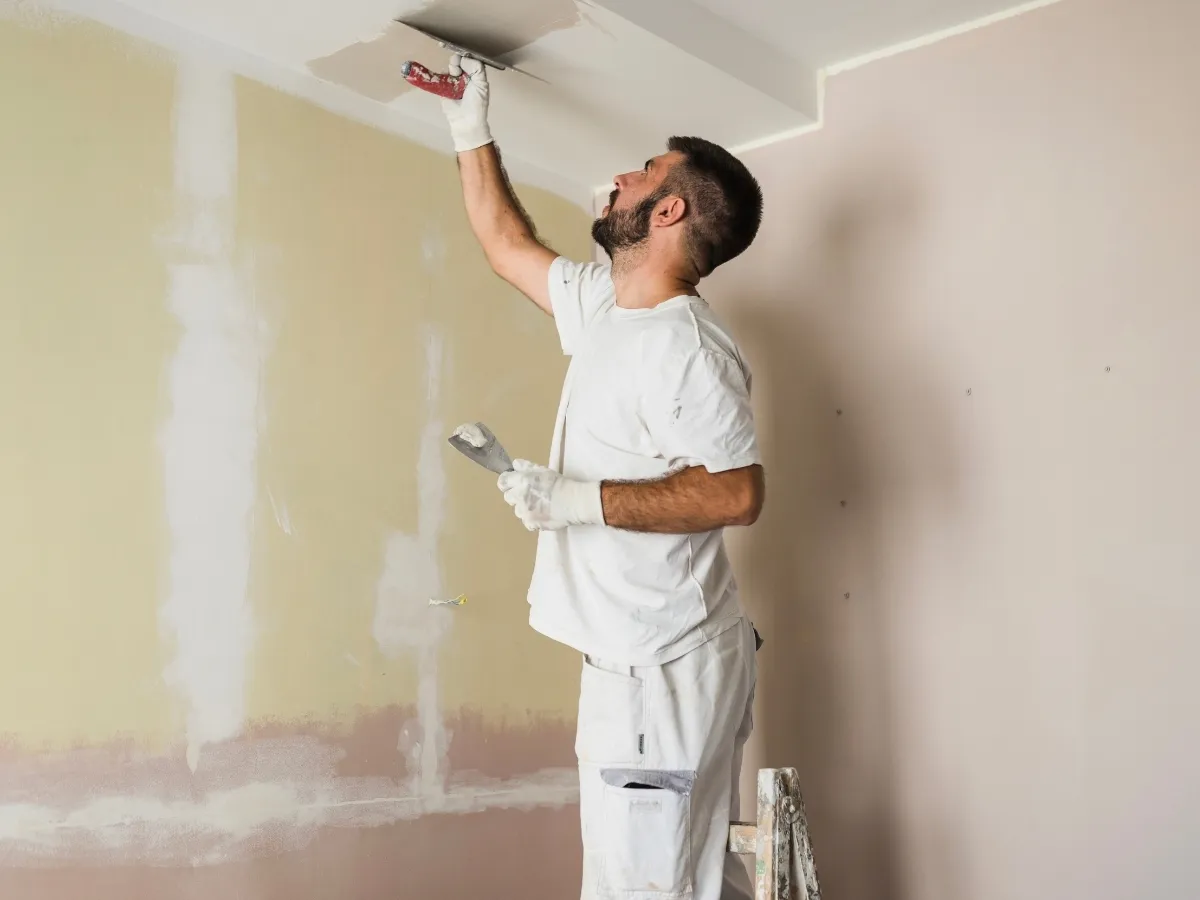
High ceilings can enhance the beauty and openness of a home, making rooms feel larger, brighter, and more elegant. They are often found in living rooms, entryways, and stairwells where homeowners want to create a sense of space and architectural interest. However, while high ceilings add visual appeal, they can also make maintenance tasks such as painting more difficult. Reaching tall walls safely and achieving a smooth, even finish requires careful planning and the right approach. Understanding proper painting high ceilings tips can help homeowners see why this type of project requires extra attention.
One of the main challenges when painting high ceilings is working safely at significant heights. Standard ladders may not always provide the stability or reach required for tall spaces, especially in areas like staircases or vaulted ceilings. Professional painters often use specialized equipment such as extension ladders, scaffolding, or telescoping painting tools to safely access these areas. In addition, preparation becomes even more important because correcting mistakes at higher levels can be more difficult and time-consuming.
Professional techniques also help ensure that the final result looks clean and consistent across the entire space. Painters must carefully manage paint coverage, maintain steady application with extended tools, and ensure proper lighting to spot uneven areas or missed sections. At Balzer’s Brushing, our team regularly handles homes with tall ceilings and challenging spaces, using professional equipment and proven methods to deliver smooth, high-quality results. By understanding the best painting high ceilings tips, homeowners can better appreciate the planning, safety measures, and expertise required to complete these projects successfully.
Why High Ceilings Are Challenging to Paint
Painting walls and ceilings at standard heights already requires attention to detail, but the task becomes much more challenging when dealing with high ceilings. As the height of the surface increases, so does the difficulty of reaching and working comfortably. Painters often need ladders, scaffolding, or extension poles to access these elevated areas. Using this equipment safely while maintaining control of painting tools requires extra care, especially when working for extended periods at height.
Another difficulty is maintaining consistent paint coverage across tall surfaces. Large vertical areas can make uneven strokes, roller marks, or missed spots more noticeable once the paint dries. Lighting from windows or ceiling fixtures can also highlight these imperfections. Because of these factors, it is important to follow reliable painting high ceilings tips before starting the project. Proper planning, the right equipment, and careful technique all help ensure a smoother and more professional result when working with high ceilings.
Choose the Right Ladder for the Job
Choosing the right ladder is a crucial step in maintaining safety when painting high walls or ceilings. Using a ladder that is the wrong height or style can increase the risk of falls and make the work more difficult. Extension ladders are typically used for very tall walls, while step ladders are better suited for rooms with moderately high ceilings. The ladder should be tall enough to allow you to reach the painting area comfortably without having to stretch or lean too far.
It is also important that the ladder is placed on a stable, level surface and fully locked into position before climbing. If the ladder feels unstable or begins to wobble, it can quickly become dangerous. Professional painters always check their ladders and other equipment before starting a project to ensure everything is secure and suitable for working safely in tall spaces.
Use Extension Poles for Better Reach
Extension poles are a helpful tool when painting high ceilings. These poles attach to paint rollers and allow painters to reach higher areas without climbing repeatedly. Using an extension pole helps maintain a steady painting motion while keeping both feet safely on the ground. This reduces fatigue and improves control during the painting process. Extension poles also allow painters to maintain a consistent distance from the wall. This helps create smoother coverage across the entire surface. Many professional painters rely on extension tools as part of their painting high ceilings tips for efficiency and safety.
Prepare the Area Before Painting
Preparation is essential when working in tall spaces. Furniture, floors, and fixtures should be protected before painting begins. Drop cloths can cover floors and large furniture pieces to prevent paint splatters. Light fixtures and ceiling fans should also be protected or temporarily removed. Good preparation also includes cleaning the walls and repairing any cracks or dents. These repairs ensure the paint adheres properly and looks smooth once finished. Professional interior painting services always include careful preparation to protect the home and improve final results.
Work in Sections for Better Control
Painting high ceilings can feel overwhelming if the entire surface is approached at once. A more effective method is to divide the wall or ceiling into smaller, manageable sections. By focusing on one area at a time, painters can maintain better control over their tools and movements. This approach also reduces the risk of missing spots or applying paint unevenly, which can be more noticeable on tall surfaces.
Professional painters often complete one section fully before repositioning a ladder or adjusting their working position. This method helps maintain a consistent painting rhythm and improves safety while working at height. Working in sections also allows painters to maintain a “wet edge,” which means keeping freshly applied paint connected to the next section before it dries. This technique prevents visible lines or overlaps between painted areas and helps ensure smooth, even coverage across large vertical surfaces.
Maintain Good Lighting
Proper lighting is an important factor when painting tall walls or high ceilings, yet it is often overlooked during preparation. Poor lighting can create shadows that make it difficult to see exactly where paint has already been applied. As a result, painters may miss spots or apply uneven coats without realizing it until the paint dries. This can lead to visible inconsistencies across large surfaces, which are especially noticeable in rooms with high ceilings.
Using temporary work lights or additional lighting sources can greatly improve visibility while painting. Bright, well-positioned lighting allows painters to clearly see the surface and identify any missed areas or uneven coverage early in the process. This is particularly important when working on textured walls or ceilings, where paint can settle unevenly in grooves and patterns. Maintaining good lighting not only helps achieve a smoother, more consistent finish but also improves safety by allowing painters to clearly see their workspace while working at height.
Take Breaks to Avoid Fatigue
Painting high ceilings can be physically demanding, especially when it involves climbing ladders and reaching overhead for extended periods. These movements place extra strain on the arms, shoulders, and back, which can quickly lead to fatigue. As the body becomes tired, it becomes more difficult to maintain steady control of painting tools and safe positioning on ladders or platforms. This can affect both the quality of the work and the overall safety of the project.
Taking regular breaks helps reduce physical strain and allows painters to regain focus before continuing the task. Short rest periods give muscles time to recover and help maintain better balance and coordination while working at height. Fatigue can increase the likelihood of mistakes such as uneven paint coverage or missed areas, and it may also raise the risk of accidents. For these reasons, professional painters pace their work carefully and include regular breaks as part of safe and effective painting high ceilings practices.
Use Quality Paint and Tools
High ceilings are commonly found in large, open spaces such as living rooms, entryways, and stairwells. Because these areas are often highly visible, the quality of the paint finish becomes especially important. Imperfections in paint coverage can stand out more on tall walls, particularly when light from windows or overhead fixtures highlights the surface. Using high-quality paint helps create smoother coverage and a more consistent appearance across large vertical areas.
Premium paints are designed to provide better coverage and durability, which often means fewer coats are required to achieve the desired finish. In addition to quality paint, professional-grade brushes and rollers also play an important role. These tools hold paint more evenly and allow painters to apply smoother, more controlled strokes. When quality materials are combined with proper preparation and effective painting high ceilings techniques, the final result is a clean, polished look that enhances the overall appearance of the space.
Why Professionals Are Often the Safer Choice
While some homeowners attempt to paint high ceilings themselves, the risks can be significant. Climbing ladders while carrying tools and paint requires experience and careful balance. Professional painters are trained to work safely in tall spaces. They also have specialized equipment that allows them to reach difficult areas efficiently. Professionals understand how to maintain smooth paint coverage across large vertical surfaces. This experience helps prevent streaks, missed areas, and uneven finishes. At Balzer’s Brushing, we bring both skill and proper equipment to every project, ensuring safe and reliable results.
Many modern homes feature open layouts with tall ceilings and large entryways. While these designs look beautiful, they can be challenging to paint during construction. Professional painters carefully coordinate with builders to complete these areas safely and efficiently. Tall walls must be prepared properly before painting begins. Our new construction painting services ensure that high ceilings in new homes receive smooth and durable finishes from the start. This attention to detail helps homeowners enjoy their spaces without worrying about early paint issues.
Final Thoughts
High ceilings add elegance and openness to a home, but painting them safely requires planning and skill. Following proven painting high ceilings tips can help reduce risks and improve the final results. Using the right ladders, tools, and preparation methods makes the process much safer. However, professional painters often provide the best combination of safety and quality.
If you are planning to refresh tall walls or ceilings in your home, expert help can make the project easier and more successful. You can contact our team to discuss your painting project and receive professional guidance. At Balzer’s Brushing, we take pride in delivering safe, high quality painting solutions that help homeowners maintain beautiful interiors, no matter how high the ceilings may be.
