
Why Paint Touch Ups Often Look Different From the Original
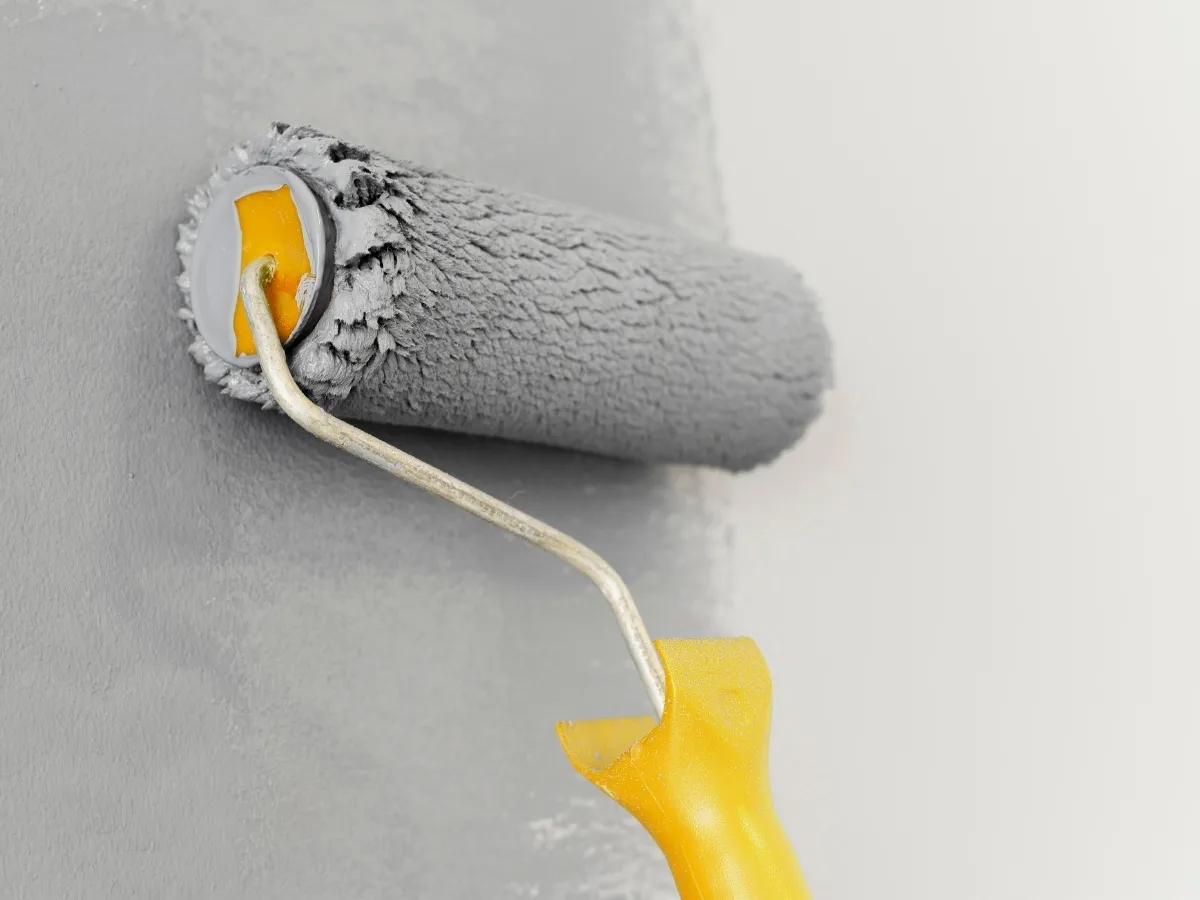
Paint touch-ups often appear different from the original finish because several factors can affect how the new paint blends with the existing surface. Many homeowners expect that using leftover paint will perfectly restore a wall after small scuffs or marks appear. However, paint changes over time due to exposure to light, air, and environmental conditions. As the original paint ages, its colour and sheen can shift slightly. When fresh paint is applied to a small area, it may appear brighter or slightly different in tone compared to the surrounding wall.
Application methods and lighting conditions can also contribute to paint touch up problems. The way paint is applied during a small repair may differ from the technique used when the wall was originally painted. Differences in brush or roller texture can create subtle variations in the finish. Lighting may further highlight these differences, making the touch-up spot more noticeable. At Balzer’s Brushing, we help homeowners address these issues by using careful techniques that improve blending and restore a more consistent wall appearance. Understanding why paint touch up problems occur helps homeowners choose the most effective approach when repairing painted surfaces.
Why Touch Ups Do Not Always Blend Perfectly
Many homeowners expect that using the same paint colour will automatically produce a perfect touch-up. However, paint touch up problems can still occur even when the original paint is used. Over time, painted surfaces are exposed to light, air, and dust, which can gradually alter the appearance of the paint. These environmental factors may slightly change the colour or sheen of the existing paint on the wall.
When a fresh coat of paint is applied to a small area, it often appears brighter or slightly different from the surrounding surface because the older paint has already aged. Although the colour difference may be small, it can become noticeable once the new paint dries. The contrast between the fresh paint and the older finish around it is one of the most common paint touch up problems homeowners encounter. Understanding how paint changes over time helps explain why touch-ups do not always blend perfectly with the rest of the wall.
The Role of Paint Aging
Paint aging is one of the main reasons for paint touch up problems. Over time, paint can fade slightly or develop a softer appearance due to environmental factors. Sunlight, artificial lighting, and daily wear all affect painted surfaces. Even indoor walls gradually change as the paint ages. These changes happen slowly, which is why homeowners may not notice them until a fresh patch of paint is applied. When new paint is added to an older surface, the colour difference may become visible. The fresh paint has not yet experienced the same exposure as the surrounding wall. This natural aging process makes it difficult for touch ups to match perfectly.
Differences in Paint Application
Application technique also contributes to paint touch up problems. When the original paint was applied, it was likely spread across the entire wall using consistent strokes and coverage. During a touch up, the paint is usually applied only to a small area. This difference in application can create variations in texture and thickness. Even if the colour matches, the surface may reflect light differently. For example, a roller may leave a slightly textured finish, while a small brush touch up may appear smoother. These subtle texture changes can cause the patch to stand out. Professional painters often use specialized blending techniques to minimize these differences.
The Impact of Paint Finish
The finish of the paint also plays a role in paint touch up problems. Different finishes reflect light in different ways. Some finishes make touch ups more noticeable than others. Flat or matte finishes tend to hide touch ups better because they absorb light rather than reflecting it. Glossy finishes, on the other hand, reflect light strongly and may highlight small differences in texture. Common finishes include:
- Flat or matte finishes
- Eggshell finishes
- Satin finishes
- Semi gloss finishes
Higher sheen finishes are more likely to reveal touch up patches. This is why professional painters often recommend repainting the entire wall instead of performing multiple small touch ups.
Lighting Makes Touch Ups More Noticeable
Lighting plays a significant role in how paint appears on a wall, which is why paint touch up problems can become more noticeable under certain lighting conditions. Both natural sunlight and artificial lighting can highlight small variations in colour, sheen, or texture between the original paint and the touch-up area. Even when the colour is technically the same, differences in how the paint reflects light can cause the repaired spot to stand out from the surrounding surface.
For instance, a touch-up may appear acceptable under soft indoor lighting but become more visible when direct sunlight hits the wall. Light can create shadows and reflections that reveal the edges of the patched area or slight differences in paint thickness. Walls that receive strong or direct lighting, such as those near large windows or beneath bright overhead lights, are especially likely to show these variations. Understanding how lighting interacts with painted surfaces helps homeowners better judge whether a small touch-up will blend well or if repainting a larger section of the wall may produce a more consistent result.
Paint Stored for Long Periods
Many homeowners keep leftover paint after a project so they can handle small repairs later. While this is often helpful, paint that has been stored for a long time may not behave exactly the same as it did when it was first applied. Over time, the pigments and other components in the paint can settle or separate inside the container. Even if the lid has been sealed properly, the paint may need thorough mixing to restore a consistent colour and texture.
If stored paint is not mixed well before use, the pigments may not be evenly distributed, which can cause the colour to appear slightly different once applied to the wall. This can lead to paint touch up problems where the repaired area stands out against the surrounding surface. Even subtle differences in pigment concentration may create a noticeable patch after the paint dries. Professional painters reduce this risk by carefully stirring or mechanically mixing stored paint before performing touch-ups, helping achieve the most consistent result possible.
Surface Wear and Cleaning
Walls are exposed to daily wear from dust, cleaning, and physical contact, all of which can gradually change the appearance of the paint surface. Over time, repeated wiping, friction, and minor impacts can alter the texture or sheen of the paint. Even if the colour itself remains similar, the surface may become slightly duller or smoother in certain areas. These small changes can make the wall look different from when it was first painted.
This natural wear is one of the reasons paint touch up problems occur. When fresh paint is applied to a worn section of the wall, the new paint may have a different sheen or texture compared to the surrounding surface. Regular cleaning can also contribute to these differences, as some cleaning products may slightly dull or polish the paint finish over time. Because of these gradual changes, achieving a perfect match between new and older paint can be difficult, even when the same colour and product are used.
When Repainting the Entire Wall Is Better
In some cases, the best solution to paint touch up problems is repainting the entire wall. While this may seem like more work, it often produces the most consistent results. Repainting the entire wall eliminates visible patches and ensures uniform colour and texture. This approach is especially helpful when the wall has several damaged areas. Professional painters can complete this process quickly and efficiently while maintaining smooth coverage. Our interior painting services help homeowners restore walls with consistent finishes that look clean and polished.
Professional painters have experience managing paint touch up problems and achieving better blending results. They understand how lighting, finishes, and surface conditions affect paint appearance. In some cases, painters use blending techniques that extend the paint slightly beyond the damaged area. This helps soften the transition between old and new paint. Surface preparation is also important. Cleaning and lightly sanding the area can improve paint adhesion and reduce texture differences. These techniques help minimize visible patches and restore the appearance of the wall.
Planning Durable Paint in New Homes
Preventing paint touch up problems starts with choosing high quality paint from the beginning. Durable paints resist fading and wear, which helps maintain consistent colour across the surface. When building a new home, professional painters consider durability and finish selection carefully. These decisions help reduce future touch up challenges. Our new construction painting services provide long lasting finishes designed to maintain their appearance over time. Proper planning ensures walls remain easier to maintain in the future.
Final Thoughts
Paint touch up problems are common, but understanding their causes can help homeowners choose the best solution. Aging paint, lighting differences, surface wear, and application techniques all influence how touch ups appear on a wall. At Balzer’s Brushing, we help homeowners restore their interiors with professional painting services that deliver smooth and consistent results.
Whether you need careful touch ups or a full wall refresh, our experienced team ensures the finished surface looks polished and uniform. If you are dealing with visible paint patches or uneven finishes, visit our contact page to connect with Balzer’s Brushing and learn how our professional painters can restore your walls with precision and care.
