
Why Paint Bubbles and How Professionals Prevent Them
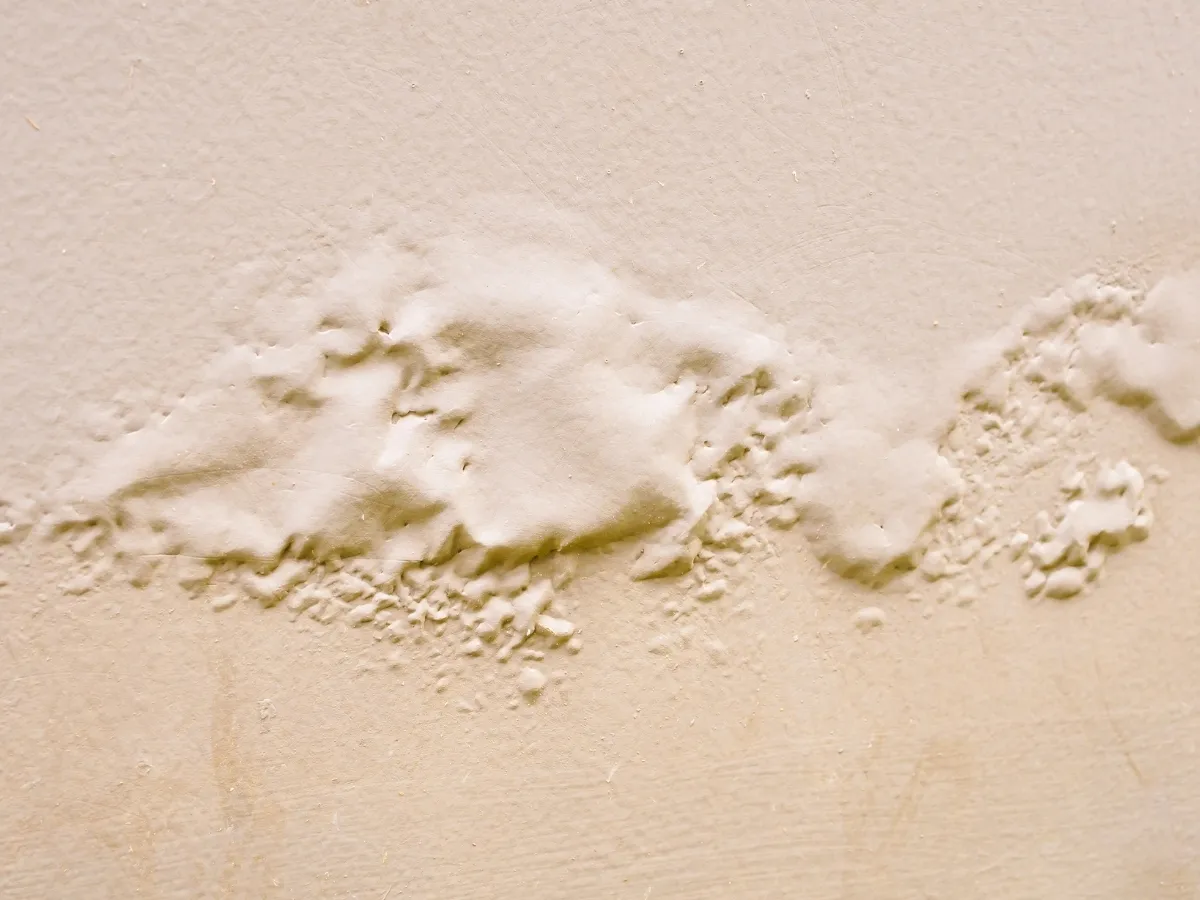
Fresh paint should leave walls looking smooth, even, and clean. However, in some cases, small bubbles may appear on the painted surface shortly after application. These raised spots can disrupt the appearance of a newly painted wall and make the finish look uneven. Paint bubbling often signals that something went wrong during the painting process or with the surface preparation. Understanding the common paint bubbling causes can help homeowners recognize why this issue occurs and how it can be prevented.
Paint bubbling typically occurs when the paint film loses proper adhesion to the surface beneath it. This can happen when moisture, air, or contaminants become trapped between the paint and the wall. For example, painting over a damp surface, applying paint in high humidity, or painting over dirt and grease can create conditions where the paint cannot bond properly. In other cases, applying paint to a hot surface or painting before the previous coat has fully dried can also cause bubbles to form as the paint cures.
Professional painters take several steps to prevent these problems before the first coat of paint is even applied. Proper surface preparation, including cleaning, sanding, and priming, ensures that paint adheres correctly to the wall. Professionals also pay close attention to environmental conditions such as temperature and humidity to make sure the paint dries properly. At Balzer’s Brushing, careful preparation and experienced application techniques help prevent common paint bubbling causes, resulting in smoother finishes and paint jobs that last longer.
What Is Paint Bubbling?
Paint bubbling occurs when the painted surface begins to lift away from the wall or material underneath it. This separation forms small raised areas that resemble blisters or bubbles on the paint surface. These bubbles may appear shortly after the paint is applied or develop later as the paint begins to dry and cure. Sometimes bubbling is limited to a few small spots, but in other cases it can spread across larger areas, making the paint job look uneven and damaged.
The main reason paint bubbles form is that something interferes with the paint’s ability to bond properly to the surface. Trapped moisture, air pockets, or poor surface preparation can all weaken the adhesion between the paint and the wall. When this bond is compromised, the paint layer can begin to lift and create visible bubbles. Understanding the most common paint bubbling causes allows homeowners and painters to take the proper steps during preparation and application to prevent these issues before they occur.
Moisture Under the Paint Surface
Moisture trapped beneath the paint surface is one of the most common causes of paint bubbling. When water becomes sealed under a layer of paint, it creates pressure that pushes the paint film away from the wall, forming visible bubbles or blisters. This issue frequently occurs in areas with high humidity, such as bathrooms, kitchens, and basements, where moisture levels are naturally higher.
If surfaces are not fully dry before painting, leftover moisture can remain trapped under the paint and lead to problems later. In some cases, leaks, poor ventilation, or condensation behind walls can also introduce moisture that gradually weakens the bond between the paint and the surface. Even small amounts of trapped moisture can cause paint to lose adhesion over time. For this reason, professional painters carefully inspect surfaces for moisture and address any underlying issues before beginning a painting project.
Dirty or Contaminated Surfaces
Another common reason for bubbling paint is painting over dirty walls. Dust, grease, or soap residue can prevent paint from sticking properly. When paint is applied over these contaminants, the bond between the paint and the wall becomes weak. As the paint dries, certain areas may lift and form bubbles. Kitchens are especially prone to this issue because cooking oils can settle on walls. Bathrooms may also develop residue from cleaning products or steam. Cleaning the surface thoroughly is one of the simplest ways to prevent paint bubbling causes related to poor adhesion.
Painting Over Glossy Surfaces
Painting over glossy surfaces without proper preparation can lead to adhesion problems that cause paint to bubble or peel. Glossy or very smooth finishes do not provide enough texture for new paint to bond effectively, which means the fresh paint may sit on top of the surface rather than attaching firmly to it. This issue often occurs when homeowners apply new paint directly over older glossy paint without first sanding or using a suitable primer.
Because the surface is so smooth, the new paint cannot grip properly, and as it dries, sections may begin to lift and form bubbles. Over time, these weak areas can worsen and lead to peeling or flaking paint. Professional painters usually prevent this problem by lightly sanding glossy surfaces to create texture or by applying a bonding primer before painting, ensuring the new paint adheres securely and produces a smooth, long-lasting finish.
Applying Paint in Humid Conditions
Environmental conditions also play a role in paint performance. Painting in very humid weather can slow the drying process and trap moisture beneath the paint film. When the air contains too much moisture, the paint cannot release its own moisture properly. This imbalance may lead to bubbles forming as the paint dries. Proper airflow and controlled indoor humidity help ensure that paint cures correctly. Professional painters often check temperature and humidity levels before beginning a project to avoid these paint bubbling causes.
Using the Wrong Type of Paint
Different rooms require different types of paint. Using the wrong product for the space can lead to bubbling problems. For example, bathrooms and kitchens often need moisture resistant paint. These paints are designed to handle humidity and frequent cleaning. Using standard wall paint in these areas may increase the risk of bubbling or peeling. Homeowners who choose professional interior painting services benefit from expert advice on selecting the right paint for each room.
Painting Over Damp Drywall
Painting over damp drywall can lead to significant problems, including bubbling and poor paint adhesion. New drywall contains moisture from joint compound and the surrounding environment, and it must be allowed to dry completely before any primer or paint is applied. If painting begins too soon, the trapped moisture can try to escape through the paint layer as it dries, causing bubbles or blisters to form on the surface.
This situation sometimes occurs on construction projects with tight deadlines, where there is pressure to finish painting before the drywall is fully ready. Professional painters avoid this issue by carefully checking that surfaces are completely dry and properly prepared before applying primer and paint. Allowing adequate drying time is an essential step in preventing paint bubbling and ensuring a smooth, durable finish.
How Professionals Prevent Paint Bubbling
Professional painters follow a series of steps designed to eliminate bubbling risks. Preparation, inspection, and proper technique all play an important role. The first step is thoroughly cleaning the surface to remove dust, grease, and residue. This ensures paint can bond properly with the wall. Next, painters repair cracks, dents, or damaged areas that could trap air beneath the paint. Primer is often applied to create a strong foundation for the paint. This extra layer improves adhesion and helps prevent common paint bubbling causes.
Beyond preparation, professional painting techniques also help prevent bubbling. Experienced painters apply paint in even layers that allow moisture to escape during drying. They also maintain the correct drying time between coats. Applying paint too quickly can trap moisture between layers. Painters monitor room temperature and humidity to ensure conditions remain suitable for painting. These careful steps help produce smooth and durable finishes that homeowners can enjoy for years.
Preventing Bubbling in New Homes
Paint bubbling can also occur in newly built homes if surfaces are not properly prepared. Fresh drywall and construction materials often hold moisture that must be allowed to dry fully. Professional painters understand the importance of proper preparation during construction projects. Surfaces must be primed and sealed before the final paint is applied. Our new construction painting services ensure that new homes receive high quality finishes that resist bubbling and other paint issues. This careful approach protects the long term appearance of the home.
If paint bubbling has already appeared, the damaged area must usually be repaired before repainting. Simply painting over bubbles will not solve the underlying problem. The affected paint should be scraped away, and the surface must be cleaned and sanded. Any moisture issues should also be addressed before repainting. After preparation, primer and new paint can be applied to restore a smooth finish. Professional painters can identify the root cause and repair the area properly to prevent future bubbling.
Final Thoughts
Paint bubbling can quickly affect the appearance of a room. By understanding the most common paint bubbling causes, homeowners can take steps to prevent these problems before they start. Moisture, poor surface preparation, and improper painting techniques are some of the leading reasons bubbles form. Professional painters address these factors with careful preparation and proper application methods.
If you want smooth and long lasting paint results, expert help can make all the difference. You can contact our team to discuss your project and receive professional guidance. At Balzer’s Brushing, we focus on preparation, quality materials, and proven techniques to ensure your walls stay beautiful and bubble free for years to come.
