
The Benefits of Using Eco-Friendly Paints
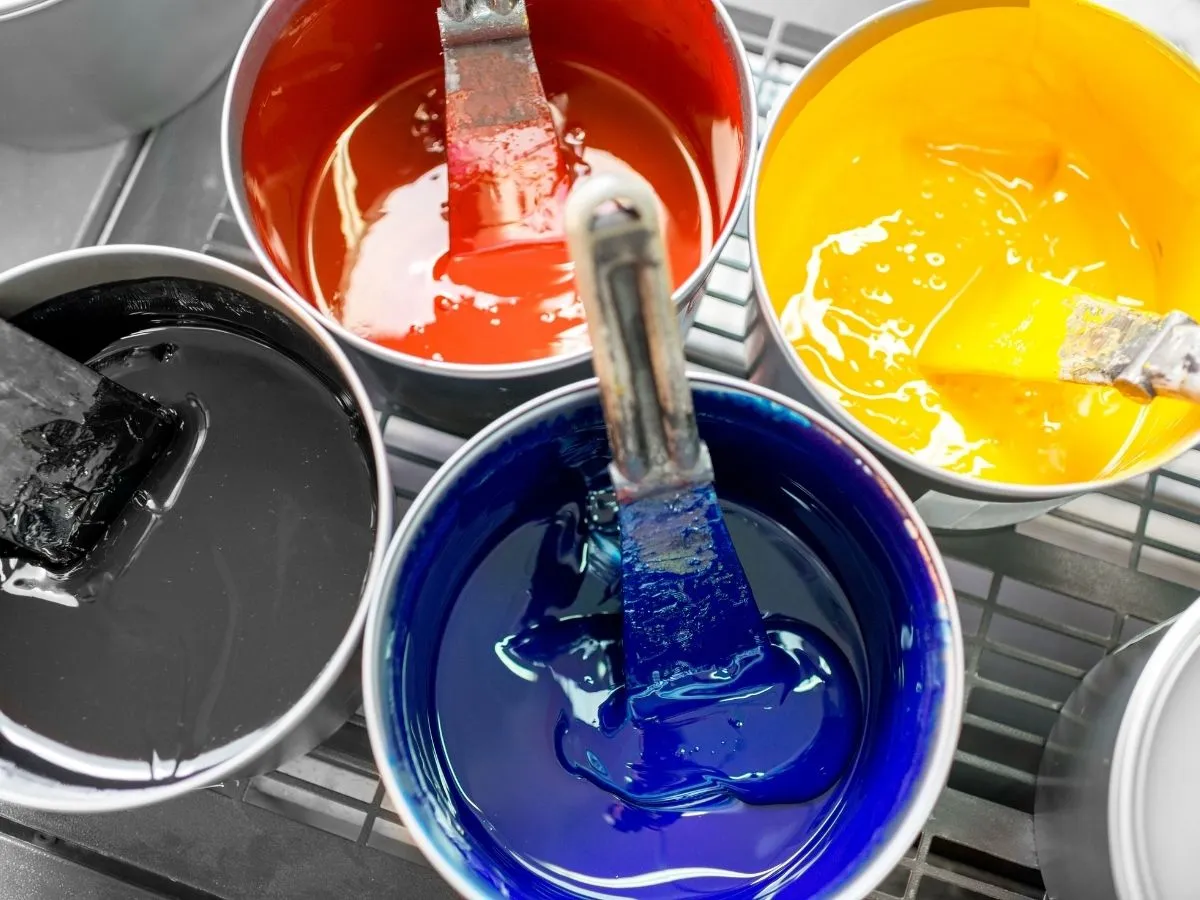
Using eco-friendly paints is becoming a popular choice among homeowners and professionals alike. These paints are designed to reduce harmful chemicals, improve indoor air quality, and minimise environmental impact. By choosing sustainable paints, homeowners can create healthier living spaces while supporting greener practices.
Eco-friendly paints are formulated with fewer volatile organic compounds (VOCs) and toxic chemicals compared to conventional paints. This not only benefits the environment but also makes painting projects safer for families, pets, and painters. The advantages go beyond health, extending to durability, aesthetics, and long-term savings.
What Are Eco-Friendly Paints?
Eco-friendly paints are made using natural or low-toxicity ingredients. They may contain plant-based oils, water-based solvents, or recycled materials. These paints are designed to reduce VOC emissions and harmful chemical exposure while maintaining high performance and vibrant colours.
Many eco-friendly paints are certified by environmental organisations to meet strict safety and sustainability standards. Popular types include low-VOC, zero-VOC, natural mineral-based paints, and water-based paints. Choosing these products ensures that your painting project is both environmentally responsible and safe for your household.
Health Benefits of Eco-Friendly Paints
One of the most significant advantages of eco-friendly paints is their impact on health. Traditional paints can release VOCs and other chemicals that contribute to indoor air pollution. Exposure to these chemicals can cause headaches, nausea, and long-term respiratory issues.
- Improved indoor air quality: Low or zero VOC paints emit fewer harmful fumes, making indoor spaces safer.
- Reduced allergy and asthma triggers: Eco-friendly paints are less likely to cause irritation for sensitive individuals.
- Safer for children and pets: Homes painted with non-toxic paints minimise exposure to harmful substances.
By using eco-friendly paints, homeowners can create a healthier living environment without sacrificing style or quality.
Environmental Advantages
Eco-friendly paints also play a crucial role in protecting the environment. Conventional paints can release chemicals that contribute to air pollution and landfill waste. Sustainable paints aim to reduce these negative impacts.
- Lower carbon footprint: Water-based and low-VOC paints require less energy to produce and release fewer greenhouse gases.
- Biodegradable ingredients: Many eco-friendly paints use natural ingredients that break down safely.
- Reduced water and soil pollution: These paints prevent harmful chemicals from leaching into the ecosystem.
Choosing eco-friendly paints supports long-term sustainability and responsible resource use.
Cost Benefits of Eco-Friendly Paints
Although eco-friendly paints may have a slightly higher upfront cost, they offer long-term savings. Their durability and low maintenance reduce the need for frequent repainting.
- Less frequent touch-ups: High-quality eco-friendly paints resist fading and chipping.
- Energy efficiency: Some sustainable paints have insulating properties that help regulate indoor temperature.
- Health savings: Reducing exposure to toxic chemicals can lower healthcare costs over time.
Investing in eco-friendly paints is a smart decision for both your wallet and the environment.
Aesthetic Benefits
Eco-friendly paints do not compromise on appearance. Modern formulations provide rich colours, smooth finishes, and excellent coverage. Whether painting walls, ceilings, or furniture, these paints deliver professional-quality results.
- Vibrant colours: Advances in natural pigments ensure colours remain bright and consistent.
- Smooth application: Water-based eco-friendly paints glide on easily and reduce streaking.
- Versatility: Suitable for a variety of surfaces, including wood, drywall, plaster, and metal.
Homeowners can achieve stunning results without sacrificing sustainability.
Choosing the Right Eco-Friendly Paint
Consider VOC Levels
When selecting eco-friendly paint, one of the most important factors to consider is VOC (volatile organic compound) levels. Low-VOC or zero-VOC paints are safer for indoor air quality, reducing harmful emissions that can affect your health. This is especially important in spaces where children, pets, or sensitive individuals spend significant time.
Lower VOC paints still provide excellent coverage and durability, proving that eco-conscious choices do not compromise quality. Reading product labels and checking for certification logos helps ensure you are choosing a paint that is both environmentally responsible and safe for your home. Investing in low-VOC paint promotes a healthier indoor environment without sacrificing aesthetics.
In addition, proper ventilation during and after painting maximizes the benefits of low-VOC products. Even the safest paints can release fumes during application, so allowing airflow ensures comfort and safety. This small step contributes to a cleaner, healthier living space.
Check Certifications
Eco-friendly paint certifications provide confidence that the product meets strict environmental and safety standards. Look for labels like Green Seal, EcoLogo, or GREENGUARD, which indicate the paint has been tested for VOC emissions, sustainability, and responsible manufacturing practices. These certifications act as reliable guides for selecting safe and sustainable options.
Choosing certified paints also ensures you are supporting manufacturers committed to environmental stewardship. This can reduce your home’s ecological footprint while promoting products that prioritize health and safety. Certifications provide both assurance and transparency for homeowners seeking eco-conscious choices.
Certifications often extend to the materials used in the paint, including pigments, solvents, and binders. Knowing that these components meet rigorous standards adds peace of mind, ensuring your walls are painted with products that are safe for people and the planet.
Interior vs. Exterior
Eco-friendly paints are available for both interior and exterior applications, but selecting the right type for your specific surface is crucial. Exterior paints are formulated to withstand weather, UV exposure, and moisture, while interior paints focus on durability and low emissions. Choosing the right category ensures optimal performance for each environment.
Outdoor paints often contain additives to resist fading, mold, and mildew, which are important for maintaining both the look and longevity of the surface. Interior paints, by contrast, prioritize smooth application, minimal odor, and safe indoor air quality. Using the correct paint type enhances durability and overall satisfaction.
Additionally, consider the surface material before painting. Wood, drywall, masonry, or metal surfaces may require specific eco-friendly formulations to ensure proper adhesion and lasting results. Matching paint type to surface prevents peeling, cracking, and other common issues.
Finish Type
Eco-friendly paints come in a variety of finishes, including matte, satin, semi-gloss, and glossy. The finish you choose affects not only aesthetics but also durability and ease of cleaning. For example, matte finishes provide a soft, elegant look, while satin or semi-gloss finishes are easier to clean and more resistant to stains.
Selecting the right finish depends on the room and intended use. Kitchens, bathrooms, and high-traffic areas benefit from washable or semi-gloss finishes, while living rooms and bedrooms often look best with matte or eggshell finishes. Many eco-friendly paints offer the same variety as conventional paints, allowing you to maintain style and functionality.
It’s also important to test finishes in small areas before full application. Lighting and furniture can influence how a finish appears, so trying samples ensures you get the desired look and performance. Proper selection guarantees that your eco-friendly paint enhances both style and practicality.
Brand Reputation
Finally, consider the reputation of the paint brand when choosing eco-friendly options. Products with positive reviews and proven performance are more likely to meet expectations for coverage, durability, and environmental standards. Reliable brands often offer better customer support and guidance for proper application.
Researching brands also helps identify paints that have undergone third-party testing and certifications. Established manufacturers are more likely to adhere to strict safety and quality standards. Choosing a trusted brand reduces the risk of issues such as uneven coverage, fading, or peeling over time.
Brand reputation can also indicate innovation in sustainable practices, from sourcing renewable ingredients to minimizing packaging waste. Supporting reputable, eco-conscious brands ensures that your painting project aligns with both aesthetic goals and environmental responsibility.
Proper selection ensures optimal results and maximum environmental benefits.
Professional Painting Services
For homeowners looking to achieve flawless results, hiring professionals can make a difference. Services like Balzer’s Brushing offer expertise in using eco-friendly paints. Their team handles surface preparation, painting, and clean-up efficiently.
Professional painters not only save time but also ensure the best application methods are used. This guarantees even coverage, proper drying, and long-lasting colour.
Final Thoughts
The benefits of using eco-friendly paints extend far beyond environmental concerns. They enhance indoor air quality, protect health, save costs over time, and provide a beautiful finish. Homeowners who choose sustainable paints contribute to a healthier home and a greener planet.
Investing in eco-friendly paints is an investment in safety, aesthetics, and sustainability. With careful selection and proper application, these paints can transform living spaces while reducing negative environmental impact.
For homeowners ready to switch to sustainable painting options, we provide professional expertise. Explore our full range of services and get in touch to plan your eco-friendly painting project today. Make the change to healthier, greener, and more beautiful walls now.
