
How Weather in BC Impacts Exterior House Painting Projects
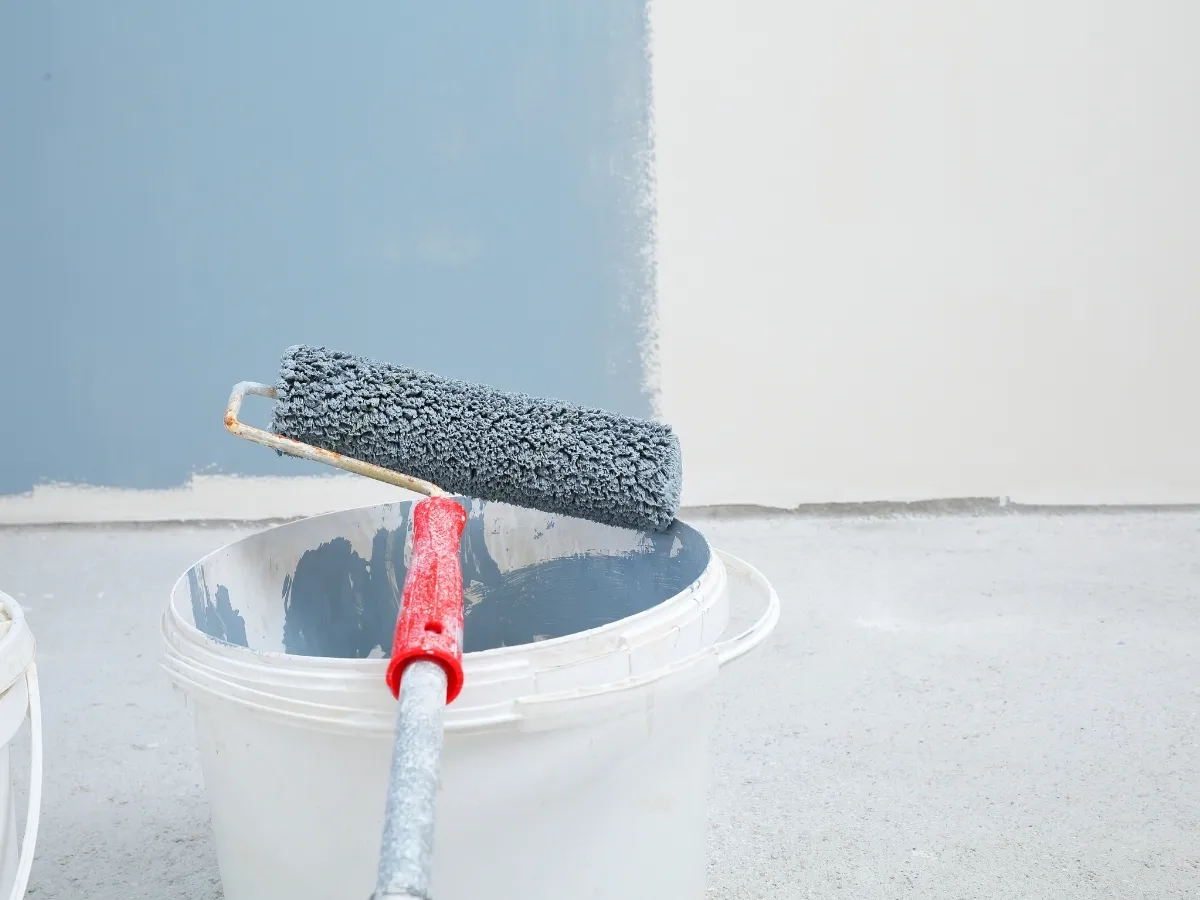
Weather plays a major role in the success of any exterior painting project. In British Columbia, changing temperatures, rainfall, humidity, and seasonal conditions can all affect how exterior paint performs over time. Understanding how BC exterior painting weather impacts painting projects helps homeowners schedule work properly and protect their investment more effectively. Exterior paint does much more than improve curb appeal. It acts as a protective barrier that shields the home from moisture, UV rays, and long term environmental wear. However, even high quality paint may fail prematurely if it is applied during unsuitable weather conditions. At Balzer’s Brushing, we help homeowners across British Columbia plan exterior painting projects based on local climate conditions and long term durability goals. Knowing how weather affects preparation, application, and curing helps homeowners achieve smoother finishes and longer lasting results.
Why Weather Matters for Exterior Painting
Exterior paint requires proper conditions to bond correctly to surfaces and cure fully.
Weather conditions affect:
- Paint adhesion
- Drying times
- Moisture resistance
- Surface preparation
- Long term durability
If paint is applied during poor weather conditions, homeowners may experience problems such as:
- Peeling paint
- Bubbling surfaces
- Cracking finishes
- Uneven colour
- Shortened paint lifespan
Proper scheduling and preparation are essential for preventing these issues. Professional exterior home painting services monitor weather conditions carefully to ensure projects are completed during suitable environmental conditions.
Rain Is One of the Biggest Challenges in BC
British Columbia is well known for frequent rainfall, particularly in coastal regions such as Vancouver and the Fraser Valley, and this creates major challenges for exterior painting projects. Exterior surfaces must remain clean and completely dry before, during, and after paint application to ensure proper adhesion and curing. Rain and moisture can interfere with the painting process by preventing paint from bonding correctly to siding, trim, and other exterior materials. Wet conditions may also trap moisture beneath the paint surface, increasing the risk of peeling, bubbling, uneven finishes, and reduced durability over time.
Even light rain, morning dew, or overnight moisture can affect freshly painted surfaces if the paint has not fully cured. Because of this, professional painters closely monitor weather forecasts and adjust project schedules when necessary to protect the quality of the work. Experienced painting crews understand how BC’s rainy climate affects drying times and paint performance, allowing them to plan projects more carefully for long lasting results. Proper timing and weather management are essential for successful exterior painting in British Columbia.
Humidity Affects Drying and Curing
Humidity is another major environmental factor that affects exterior painting performance in British Columbia. High humidity slows the evaporation process, which means paint takes longer to dry and cure properly after application. When moisture levels remain too high, paint may stay tacky for extended periods and become more vulnerable to surface damage or contamination during curing. Excessive humidity can also contribute to uneven drying, moisture trapping beneath the paint, reduced adhesion, and inconsistent finish quality.
Coastal areas throughout BC often experience elevated humidity levels for much of the year, especially during spring and fall. Professional painters understand how different paint products react under humid conditions and schedule projects accordingly to reduce the risk of long term issues. They also choose products specifically designed to perform better in moisture heavy climates. Managing humidity properly helps create smoother finishes, stronger adhesion, and longer lasting protection for exterior surfaces.
Temperature Plays a Critical Role
Temperature plays a critical role in how exterior paint performs during application and curing. Most exterior paints are designed to work best within specific temperature ranges that allow the paint to dry evenly and bond properly to the surface. Ideal conditions usually involve moderate daytime temperatures, stable overnight weather, and dry surfaces throughout the project. When temperatures fall too low, paint may not cure correctly, while excessive heat can cause paint to dry too quickly before proper bonding occurs.
Painting during unsuitable temperatures may eventually lead to cracking, peeling, blistering, or uneven finishes that shorten the lifespan of the project. Professional painters carefully monitor both daytime and nighttime temperatures before beginning exterior work because temperature fluctuations can continue affecting the paint even after application. Proper temperature management helps ensure the paint cures correctly and provides durable long term protection against BC weather conditions.
Summer Often Provides the Best Painting Conditions
For many homeowners in British Columbia, summer provides the most reliable conditions for exterior painting projects. Summer weather typically offers warmer temperatures, lower rainfall, reduced humidity, longer daylight hours, and faster drying times compared to other seasons. These stable conditions allow paint to cure more effectively, helping improve adhesion, finish quality, and overall durability. Longer daylight hours also allow painting crews to work more efficiently and complete projects within shorter timelines.
Because summer is considered peak season for exterior painting, many homeowners schedule projects months in advance to secure availability before fall weather returns. Proper scheduling helps reduce delays caused by weather interruptions and allows homeowners to complete exterior maintenance during the most favourable conditions of the year. Investing in summer exterior painting often leads to stronger long term performance and fewer weather related complications during the project.
Spring Painting Requires Extra Planning
Spring is another popular season for exterior painting in British Columbia, but it often requires more careful planning because weather conditions can change quickly. Spring projects may involve sudden rain showers, cooler evenings, fluctuating temperatures, and variable humidity levels that affect paint application and drying times. Professional painters typically monitor forecasts more closely during spring because even short periods of rain or overnight moisture can interfere with surface preparation and curing.
Despite these challenges, spring painting still offers several advantages for homeowners planning exterior renovations. Moderate daytime temperatures and earlier seasonal scheduling can help homeowners prepare their property before the hotter summer months arrive. Homeowners who schedule projects early in the season also often benefit from greater contractor availability and more flexible timelines. With proper planning and professional guidance, spring exterior painting can still produce durable and high quality results.
Fall Painting Can Still Produce Excellent Results
Early fall can also provide excellent exterior painting conditions in many parts of British Columbia when projects are scheduled carefully. Fall weather often includes mild daytime temperatures, reduced summer heat, lower UV exposure, and comfortable working conditions that support consistent paint application and curing. These conditions can help paint perform well while allowing crews to complete projects more comfortably compared to the hotter summer season.
However, timing becomes especially important in fall because colder temperatures and prolonged rain typically return later in the season. Professional painters generally recommend completing exterior projects before wet weather patterns become more frequent. Monitoring seasonal changes carefully helps ensure surfaces remain dry enough for proper preparation and curing. When completed under the right conditions, fall exterior painting can provide long lasting protection and a clean, refreshed appearance before winter weather arrives.
Winter Is Usually Not Ideal for Exterior Painting
Winter is generally the least favourable season for exterior painting in BC because of:
- Increased rainfall
- High humidity
- Cold temperatures
- Shorter daylight hours
These conditions make proper paint curing more difficult. Some specialized products may still work during mild conditions, but most homeowners focus on interior renovations during winter months instead. Professional residential interior painting services are especially popular during colder seasons because indoor environments can be controlled more easily year round.
Moisture Damage Is Common in BC Homes
British Columbia’s climate affects more than just exterior painting schedules because constant exposure to rain and moisture can gradually damage exterior surfaces over time. Homes throughout the province commonly experience problems such as rotting wood, peeling paint, mould growth, cracked caulking, and general surface deterioration caused by ongoing moisture exposure. These issues are especially common in areas with frequent rainfall, limited sunlight, or poor ventilation around exterior materials. If moisture damage is not identified and repaired before painting, new paint may fail prematurely and underlying structural problems may continue worsening beneath the surface.
Professional painters carefully inspect homes before beginning exterior painting projects to identify moisture related issues that require repair or additional preparation. Painting over damp or damaged surfaces may temporarily improve appearance, but it does not solve the root cause of the problem. Proper inspection and repair work are essential for ensuring the paint bonds correctly and continues protecting the home over the long term. Addressing moisture damage before painting helps improve durability, appearance, and overall exterior protection.
Surface Preparation Becomes Even More Important
Proper surface preparation is essential for successful exterior painting in British Columbia’s climate because moisture heavy conditions make paint adhesion more challenging. Exterior surfaces must be thoroughly cleaned, repaired, and fully dried before painting begins to prevent future problems such as peeling, bubbling, or trapped moisture beneath the paint film. Professional preparation often includes pressure washing, scraping loose paint, sanding rough surfaces, replacing damaged wood, caulking gaps and joints, and priming exposed areas before the finish coats are applied.
Professional painters understand that surfaces must remain completely dry after washing or rainfall before preparation and painting can continue. Rushing the process or painting over damp materials may compromise paint performance and shorten the lifespan of the project. Careful preparation helps create a stable surface that allows paint to bond properly while improving moisture resistance and long term durability. In BC’s climate, preparation is one of the most important factors in achieving reliable and lasting exterior painting results.
UV Exposure Also Impacts Exterior Paint
Although rain and moisture are major concerns in British Columbia, sunlight and UV exposure also play a significant role in exterior paint performance over time. Continuous UV exposure can cause paint colours to fade, surfaces to break down, and coatings to lose flexibility as they age. South facing walls and highly exposed elevations often experience more direct sunlight throughout the day, which can accelerate weather related wear and make paint deteriorate faster in those areas.
High quality exterior paint products with strong UV resistance help protect siding, trim, and other surfaces from premature fading and surface breakdown. Professional painters understand how different colours and products react to sunlight exposure and can recommend coatings designed specifically for BC’s varying climate conditions. Using the right products helps maintain colour consistency, improve durability, and extend the overall lifespan of the exterior paint job.
Wind and Debris Affect Painting Conditions
Wind can create additional challenges during exterior painting projects by affecting both paint application and finish quality. Strong wind may cause dust, pollen, dirt, and debris to stick to freshly painted surfaces before the paint has fully dried. Wind can also interfere with spray application techniques, create uneven coverage, and cause paint to dry faster than expected in certain conditions. These environmental factors can impact the smoothness and overall appearance of the final finish.
Professional painters monitor weather conditions closely and adjust their application methods and project schedules when windy conditions occur. They may use different tools, modify spraying techniques, or delay work temporarily to protect freshly painted surfaces from contamination. Managing environmental conditions carefully helps ensure smoother finishes, stronger adhesion, and more durable results throughout the project.
Exterior Colour Choices Can Be Affected by Weather
Weather conditions can also influence how exterior paint colours perform over time in British Columbia’s climate. Darker colours often absorb more heat and may experience greater expansion and contraction during temperature changes, which can affect long term durability. Lighter colours generally reflect UV exposure more effectively and may resist fading better in areas with consistent sunlight exposure. Moisture levels can also affect how certain finishes appear, especially on textured surfaces or darker shades where water marks may become more visible.
Professional painters help homeowners choose exterior colours that balance curb appeal with long term performance under local weather conditions. They consider factors such as sun exposure, architectural style, neighbourhood appearance, and maintenance expectations when recommending colour palettes. Careful colour selection helps improve both the appearance and durability of exterior paint over time while supporting a more timeless and well maintained look.
Exterior Paint Protects Homes From Weather Damage
Exterior paint serves as an important protective barrier against British Columbia’s challenging climate conditions. Professionally applied paint helps seal surfaces from moisture, protect siding from UV exposure, reduce weather related deterioration, and extend the lifespan of exterior materials throughout the home. A properly maintained paint system helps prevent water intrusion, wood rot, and surface damage caused by long term exposure to rain, humidity, and sunlight.
Regular exterior repainting allows homeowners to maintain both the appearance and structural protection of their property over time. Delaying maintenance for too long may allow moisture damage and surface deterioration to worsen, leading to larger and more expensive repairs later. Professional exterior painting helps homeowners protect their investment while keeping the home looking clean, durable, and well maintained despite BC’s demanding weather conditions.
Renovations and New Construction Require Weather Coordination
Larger renovation and custom home projects often require careful coordination between multiple contractors and weather conditions. Professional new construction painting services help ensure newly built or renovated surfaces are painted at the correct stage of construction and under suitable weather conditions. Proper timing helps improve durability and overall project quality.
Why Professional Painters Understand Weather Better
Experienced professional painters understand how British Columbia’s climate affects every stage of an exterior painting project, from preparation and product selection to application and curing. Weather conditions such as rain, humidity, temperature fluctuations, UV exposure, and surface moisture levels all influence how well exterior paint performs over time. Professional crews carefully monitor weather forecasts, evaluate drying conditions, and adjust project schedules when necessary to ensure surfaces remain suitable for painting. Their experience allows them to recognize when conditions are ideal for exterior work and when delays are needed to protect the quality and durability of the project.
Professional painters also understand how to select climate appropriate paint products designed to perform well under BC’s challenging weather conditions. They evaluate factors such as surface moisture levels, curing times, sun exposure, and seasonal changes before beginning work. This knowledge helps reduce the risk of premature paint failure, peeling, bubbling, and uneven finishes that often occur when environmental conditions are ignored. DIY projects frequently overlook these important weather related factors, which can lead to shorter paint lifespan, inconsistent appearance, and additional maintenance costs over time.
Planning and Budgeting Exterior Painting Projects
Many homeowners begin planning painting projects well before scheduling work.
Using an estimate tool can help homeowners:
- Explore project costs
- Compare renovation priorities
- Plan seasonal scheduling
- Budget more effectively
At Balzer’s Brushing, homeowners can use our instant cost estimate tool to receive a convenient starting point when planning exterior painting projects. If you would like expert guidance for your home, you can also contact our team to discuss your project and local weather considerations.
Final Thoughts
Understanding how BC exterior painting weather affects exterior projects helps homeowners protect their investment and achieve longer lasting results. Rain, humidity, temperature changes, UV exposure, and moisture conditions all influence how paint adheres, dries, and performs over time. Proper preparation, careful scheduling, and climate appropriate products are essential for achieving durable finishes that can withstand British Columbia’s challenging weather conditions. Professional expertise helps homeowners avoid costly mistakes while improving both curb appeal and long term protection.
