
How Professional Painters Avoid Paint Drips and Runs
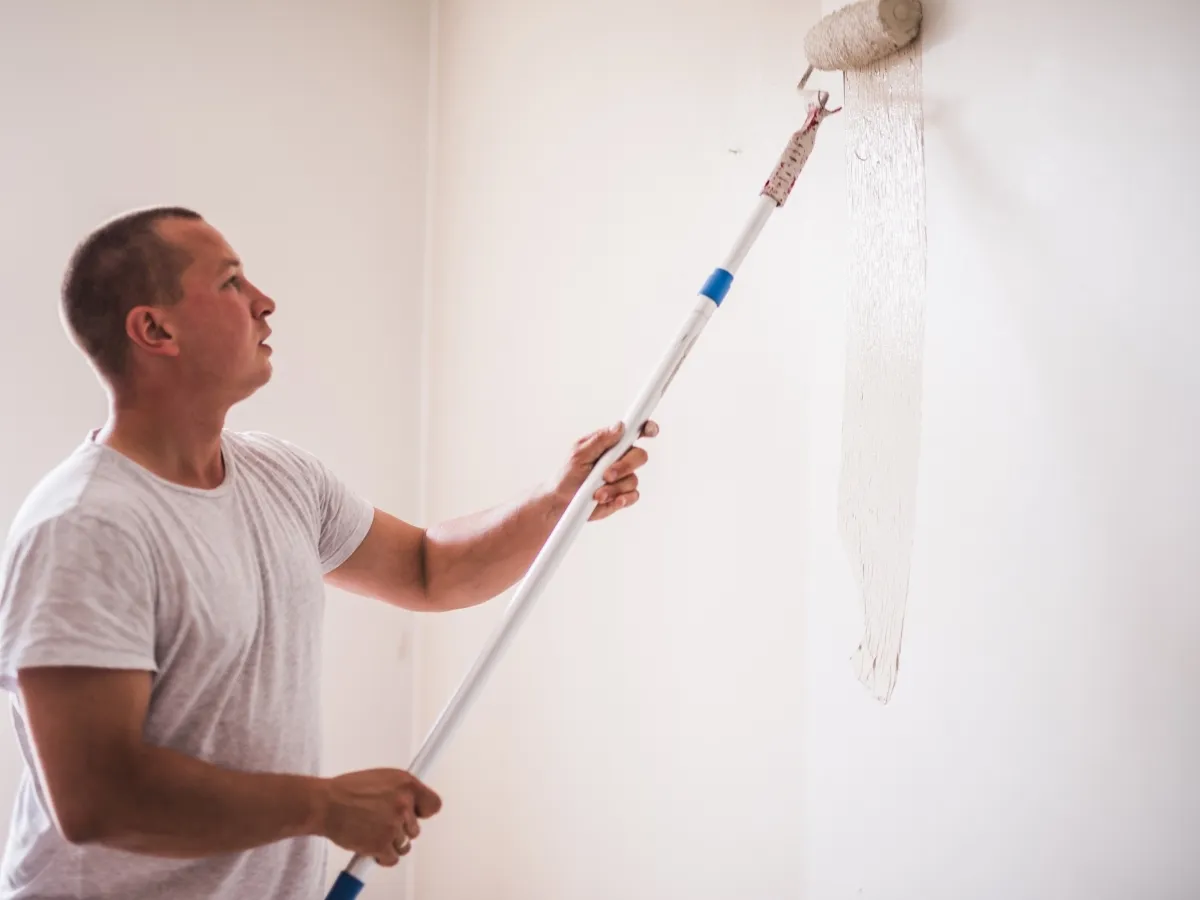
Avoid paint drips by using careful application techniques throughout your painting project. Paint drips and runs are common issues that can occur, especially when too much paint is applied at once or when surfaces are not properly prepared. When excess paint builds up on a wall or trim, gravity can cause it to flow downward, leaving streaks or raised lines that affect the overall appearance. These imperfections can make a paint job look uneven and unprofessional. Professional painters focus on careful application techniques to control the amount of paint used and ensure that each layer goes on smoothly.
Proper preparation plays an important role in preventing drips. Before painting begins, professionals clean the surface, repair any imperfections, and apply primer when needed. These steps help the paint adhere evenly and reduce the risk of buildup in certain areas. Painters also use high quality brushes and rollers that hold and release paint more consistently. By loading the tools correctly and applying paint in controlled strokes, they can maintain even coverage without allowing excess paint to collect on the surface.
Another key factor is applying paint in thin, even coats rather than trying to cover everything with a single heavy layer. Professional painters work methodically, spreading the paint evenly and smoothing it out as they move across the wall or surface. They also watch for any early signs of drips and quickly correct them before the paint begins to dry. This attention to detail helps create a smooth, uniform finish that enhances the overall appearance of the room and ensures the results look clean and professionally completed.
Why Paint Drips Happen
Paint drips and runs usually occur when too much paint collects in one area of a surface. When paint is applied too heavily, it cannot dry evenly, and gravity causes the wet paint to move downward. This results in visible streaks or thick lines that disrupt the smooth finish of the wall or surface. The problem is especially noticeable on vertical areas such as walls, doors, and trim, where excess paint can easily slide before it has time to dry.
Drips may also happen when paint is applied too quickly or when the painter does not spread the paint evenly with a brush or roller. If the paint is not distributed properly, certain spots may become overloaded while others remain thin. In addition, low quality brushes or rollers can hold and release paint unevenly, increasing the risk of drips. Preventing these issues requires proper preparation, the right tools, and careful application techniques that allow the paint to be applied in thin, even layers.
Proper Surface Preparation Is Essential
Surface preparation is a crucial step in achieving a smooth and professional paint finish. Before any paint is applied, professional painters carefully clean and prepare the surfaces to ensure proper adhesion. Dust, grease, and residue from previous paint layers can interfere with how new paint spreads and dries. When the surface is not properly prepared, the paint may fail to adhere evenly, which can cause it to gather in certain areas and lead to drips or uneven coverage.
Proper preparation often involves several important steps. These may include thoroughly cleaning the surface to remove dirt and grease, sanding rough or glossy areas to create a slightly textured surface, repairing small holes or cracks, and applying primer when needed. Each of these steps helps create a smooth and stable base for the paint. When the surface is properly prepared, the paint can spread evenly and dry more consistently, making it much easier to avoid paint drips and achieve a polished, professional result.
Using the Right Amount of Paint
Another key technique professionals use to avoid paint drips is controlling how much paint is applied at one time. Applying too much paint is one of the most common causes of runs. Professional painters load their brushes or rollers carefully so they hold enough paint to cover the surface without becoming overloaded. They also remove excess paint before applying it to the wall. Spreading paint evenly across the surface prevents it from building up in one spot. This helps ensure the paint dries smoothly without dripping. Experienced painters know how to maintain the right balance between coverage and control.
Applying Paint in Thin, Even Coats
Professional painters rarely try to cover a surface with a single heavy coat of paint. Instead, they apply multiple thin layers. Thin coats dry more evenly and reduce the risk of drips or runs. Each layer provides additional coverage while maintaining a smooth appearance. If necessary, painters allow the first coat to dry completely before applying the next one. This process creates a stronger and more consistent finish. Using several light coats is one of the most reliable ways to avoid paint drips and achieve professional quality results.
Choosing High Quality Painting Tools
The tools used during painting can make a significant difference in the final result. Professional painters rely on high quality brushes and rollers designed for specific types of paint and surfaces. Good brushes hold paint evenly and release it smoothly onto the surface. High quality rollers distribute paint more consistently and help prevent uneven buildup. Using the right tools allows painters to maintain better control during application. This control helps avoid paint drips and produces cleaner lines and smoother coverage. Investing in quality equipment is a simple step that greatly improves painting results.
Painting With the Correct Technique
Professional painters use specific application techniques to ensure paint spreads evenly across the surface. One common method when using a roller is applying the paint in a “W” or “M” pattern before filling in the surrounding area. This approach distributes the paint more evenly and prevents large amounts of paint from gathering in one spot. Once the paint is spread across the section, the painter smooths it out with lighter passes of the roller to create a consistent finish.
Brush work also requires careful control to prevent thick lines or heavy edges from forming. Painters apply steady, even strokes and blend them together so the paint levels out as it dries. This helps avoid buildup that could lead to drips or uneven coverage. By maintaining a consistent paint thickness and working methodically across the surface, professional painters are able to achieve smooth results while minimizing the risk of paint drips throughout the project.
Monitoring Surfaces While Painting
Even experienced painters remain attentive to the surface as they work because paint can sometimes shift or settle after it has been applied. As paint begins to level and dry, small drips or runs may start to form, particularly on vertical surfaces. Professional painters regularly step back and inspect freshly painted areas to catch these issues early. By observing the surface closely, they can identify spots where excess paint may be collecting.
When a potential drip is noticed, painters quickly smooth the area with a light pass of a brush or roller. This redistributes the paint and removes any buildup before it has time to dry and become visible. Addressing these small issues immediately helps maintain a smooth and even finish across the entire surface. This constant monitoring and attention to detail is one of the reasons professional painters are often able to prevent paint drips more effectively than less experienced individuals.
The Importance of Proper Lighting
Proper lighting is an important factor in achieving a smooth and even paint finish. In rooms with poor lighting, small paint drips, runs, or uneven areas can be difficult to see while the paint is still wet. These imperfections may only become noticeable after the paint has dried, which can make them more difficult to correct. Adequate lighting allows painters to clearly observe how the paint is spreading across the surface during application.
Professional painters often use bright work lights to illuminate the area they are painting. Viewing the surface from different angles helps them detect drips, heavy paint buildup, or uneven coverage early in the process. This visibility allows them to correct any issues immediately before the paint begins to dry. With proper lighting, painters can maintain smooth and consistent coverage throughout the room, making it much easier to avoid paint drips and achieve high quality results.
Professional Painting for Interior Spaces
Achieving smooth, drip free paint results requires experience, patience, and the right techniques. Professional painters understand how to prepare surfaces, apply paint evenly, and monitor the finish carefully. Our team at Balzer’s Brushing specializes in interior painting projects that require precision and attention to detail. We use proven methods and high quality materials to ensure every wall, ceiling, and trim surface looks flawless. These professional practices allow us to deliver durable finishes that enhance the beauty of each home.
Avoiding paint drips is especially important in new construction homes where clean, smooth finishes are expected throughout the property. Professional painters working on new construction painting projects follow strict preparation and application processes. This ensures walls, trim, and ceilings have a consistent and professional appearance. Careful technique helps new homes maintain a polished look from the moment homeowners move in. Attention to detail during construction painting ensures the final result meets high quality standards.
Final Thoughts
Paint drips and runs can quickly reduce the appearance of a painting project. Fortunately, professional painters use proven techniques to prevent these issues and create smooth, even finishes. By applying thin coats, using high quality tools, and preparing surfaces properly, experts know how to avoid paint drips and deliver long lasting results.
At Balzer’s Brushing, we believe that quality craftsmanship makes all the difference in a painting project. Our experienced team focuses on careful preparation, professional techniques, and attention to detail to ensure every surface looks flawless. If you are planning your next painting project, we invite you to contact us and learn how Balzer’s Brushing can provide the smooth, professional finish your home deserves.
