
How to Avoid Last Minute Painting Problems in New Builds
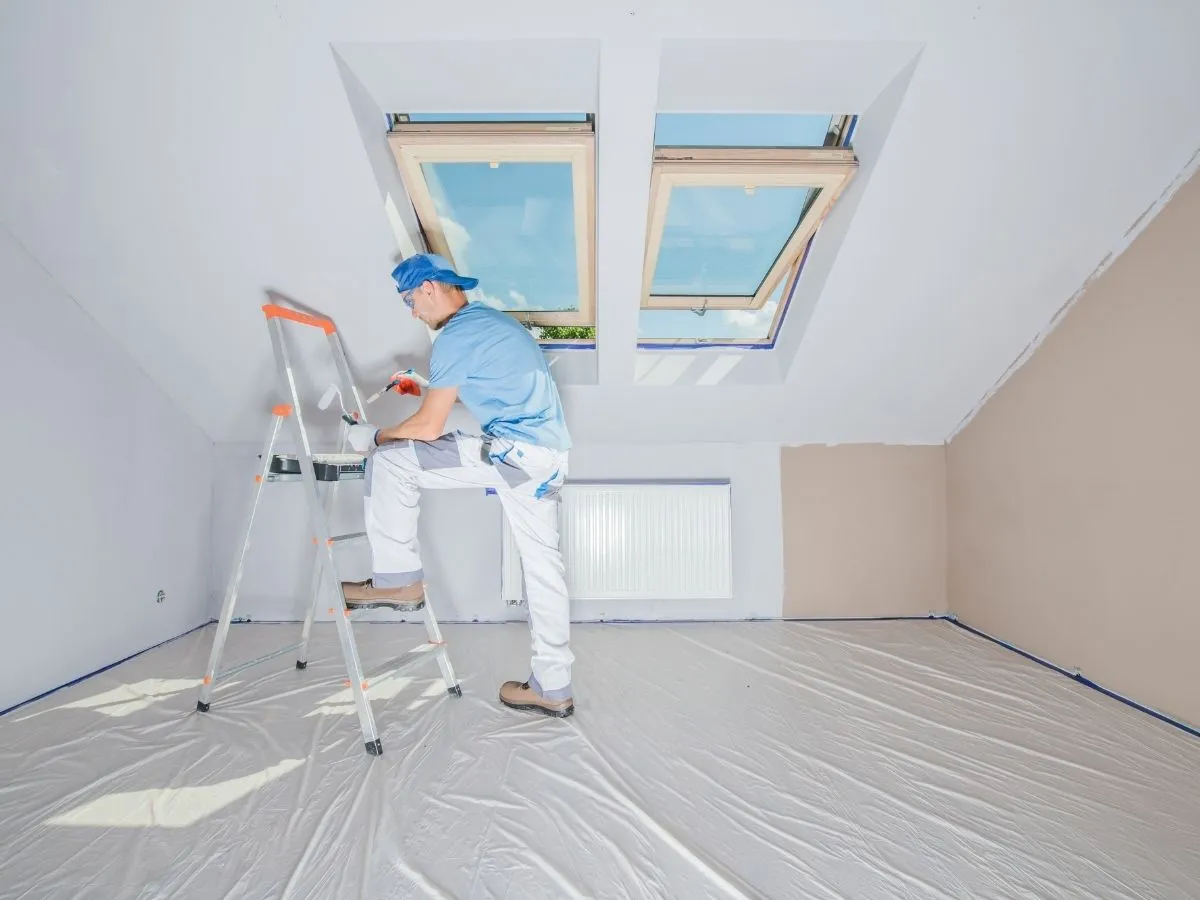
Painting a new build can be exciting, but it also comes with its own challenges. Without careful planning, projects often run into delays or issues just as the work is nearing completion. Knowing how to avoid last minute painting problems helps homeowners and contractors save time, reduce stress, and achieve beautiful, lasting results.
Plan Your Painting Schedule Early
One of the most common causes of last-minute painting issues is poor scheduling. A clear timeline helps prevent rushed work and unexpected conflicts with other trades. New builds involve multiple trades, from electricians to flooring installers. Understanding their schedules allows painting to occur at the right stage without interruption. Every paint coat has drying and curing times. Factoring in these periods ensures the paint will have proper coverage and adhesion. Planning ahead avoids the need for hurried touch-ups or reapplication.
Prepare Surfaces Properly
Even minor surface imperfections can cause major issues if not addressed before painting begins. Learning how to avoid last minute painting problems starts with thorough preparation. All surfaces should be free of dust, debris, and grease. This ensures paint adheres correctly and produces a smooth finish. New builds often reveal minor cracks, dents, or uneven patches. Fixing these issues before painting prevents visible imperfections and reduces the need for extra coats later.
Choose the Right Paint and Tools
Selecting inappropriate materials can lead to delays or uneven results. Using professional-grade paint and proper equipment is crucial to avoid last-minute problems. Investing in quality paint means fewer coats, better coverage, and longer-lasting results. Cheap alternatives often require rework that can delay completion. Using the right brushes, rollers, or sprayers ensures even application. Professionals know which tools work best for walls, ceilings, trim, and exterior surfaces.
Account for Environmental Conditions
Temperature, humidity, and ventilation play a significant role in paint drying and adhesion. Addressing these factors early can prevent last-minute setbacks. Keep indoor temperatures stable and humidity low during painting. Professionals often use fans, heaters, or dehumidifiers to maintain optimal conditions. For exterior painting, avoid days with high moisture or extreme temperatures. Timing outdoor painting properly prevents peeling, blistering, or slow drying.
Conduct Pre-Paint Walkthroughs
A pre-paint inspection allows issues to be identified before the first coat is applied. This step is essential in learning how to avoid last minute painting problems. Check for drywall inconsistencies, nail pops, or uneven trim. Correcting these early avoids rework and delays later. Make sure all selections are final before painting begins. Last-minute changes can cause delays and affect consistency.
Work With Skilled Professional Painters
One of the easiest ways to prevent last-minute issues is to hire experienced painters. Professionals bring skill, efficiency, and attention to detail. A stable team ensures every wall, trim, and ceiling is handled correctly. Experienced crews minimize mistakes and deliver a high-quality finish.
Pros know the best methods for cutting, rolling, and spraying paint. Their expertise avoids streaks, uneven sheen, and other common mistakes that can arise at the last minute. Learn how Balzer’s Brushing delivers smooth, stress-free painting on every project.
Inspect Each Stage of the Process
Regular inspections during the project help catch errors early, rather than at the final walkthrough. Check coats as they dry to ensure even application. Spotting issues early prevents additional work later. Ensure all surfaces are properly masked and protected. Paint spills or smudges can become major problems if left unchecked.
Communicate With Your Team
Clear communication between homeowners, builders, and painters is key to avoiding last-minute issues. Make sure everyone understands which areas require attention and what standards are expected. If design choices or schedules change, communicating quickly ensures adjustments can be handled without disrupting the timeline.
Plan for Final Touch-Ups
Even with thorough preparation and skilled application, minor touch-ups are a normal part of any quality painting project. Planning for these adjustments in advance helps keep the project on schedule and eliminates unnecessary stress at the end. During intermediate walkthroughs, missed spots, uneven cut-in lines, thin coverage, or small surface imperfections can be identified early. Professional painters typically mark these areas with painter’s tape or notes, allowing them to return quickly and efficiently once the paint has fully cured.
Scheduling final touch-ups before reinstalling fixtures, trim, or furniture is essential. This prevents accidental scuffs or dents and allows painters unrestricted access to walls and edges. Completing these final corrections ensures consistent color, clean lines, and a polished finish throughout the space. A dedicated touch-up phase is what separates an average paint job from a truly professional result.
Maintain a Clean and Safe Worksite
Maintaining a clean and organized worksite throughout the painting process plays a crucial role in both safety and final quality. Cluttered spaces increase the risk of slips, spills, and accidental contact with freshly painted surfaces, which can lead to frustrating last-minute repairs. Professional painters keep tools, ladders, and materials neatly arranged and clean up debris at the end of each workday.
Protective coverings such as drop cloths, plastic sheeting, and floor protection safeguard surfaces from splatters and scuffs. Careful handling of brushes, rollers, and paint containers prevents drips and cross-contamination between areas. A well-maintained workspace allows painters to move efficiently, focus on detail, and preserve the integrity of finished surfaces. This attention to cleanliness and safety is a clear indicator of a professional painting crew and contributes directly to a smooth, high-quality result.
Educate Homeowners on Paint Care
Understanding how to maintain freshly painted surfaces helps avoid problems after the crew leaves. Explain how long it takes for paint to fully cure before heavy use. This prevents dents, scratches, and premature wear.
Provide guidance on gentle cleaning methods to maintain the finish. Proper care ensures long-lasting results and reduces future touch-ups. For a comprehensive guide to professional painting support, check out how our team ensures careful, high-quality painting from start to finish.
Final Thoughts
Knowing how to avoid last minute painting problems in new builds starts with careful planning, proper surface prep, and working with experienced painters. By addressing issues early, coordinating with other trades, and maintaining clear communication, homeowners and contractors can enjoy a smooth, efficient painting process.
At Balzer’s Brushing, we focus on consistent crew quality, attention to detail, and stress-free service to ensure every project is completed beautifully and on time. When you plan your painting project with us, you gain confidence, predictability, and results you can be proud of.
