
Common Mistakes That Delay Painting in Renovations
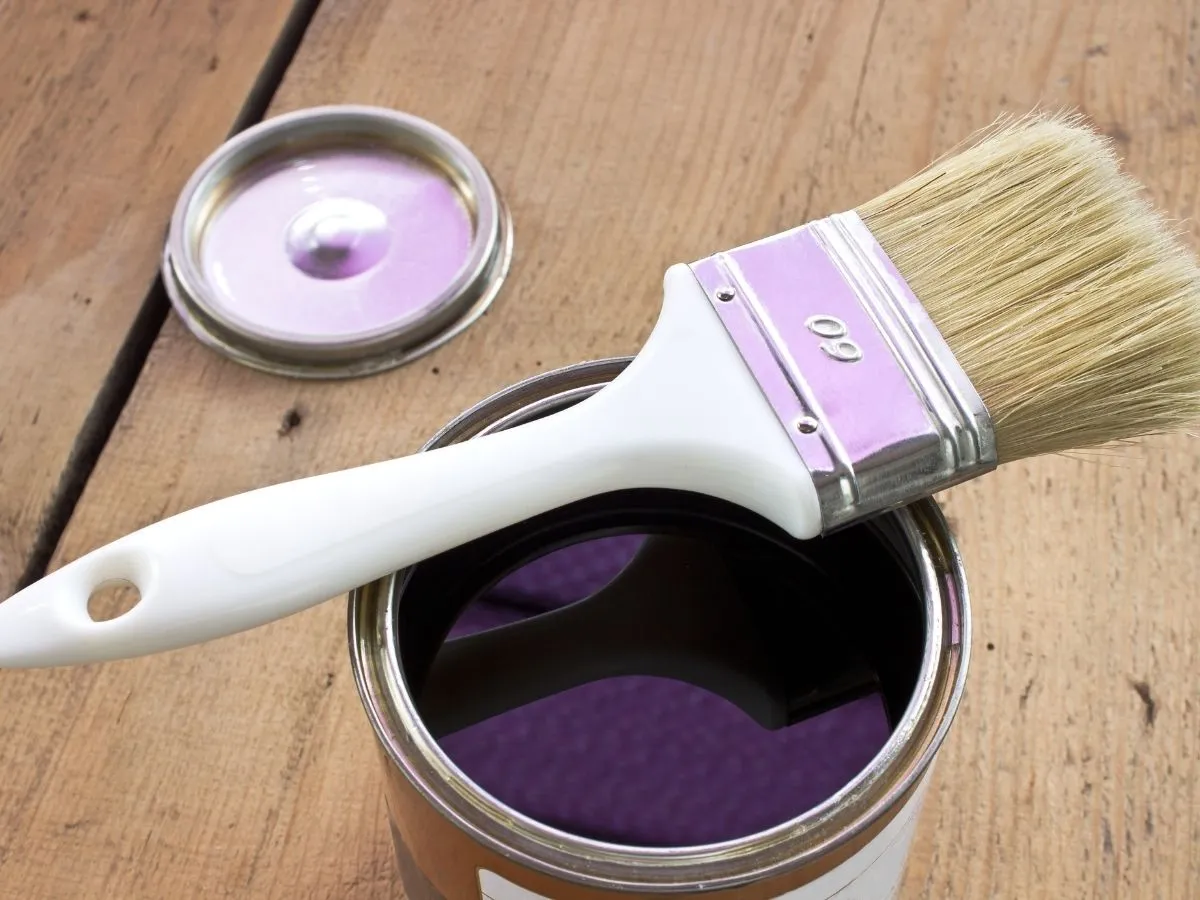
Painting is often seen as one of the simplest parts of a renovation, but even the smallest oversight can slow down the entire project. Homeowners and contractors dealing with tight timelines know that avoiding common mistakes that delay painting is key to keeping renovations on schedule. By understanding what causes delays, and how professionals prevent them, projects stay efficient, safe, and stress-free.
Not Preparing the Space Properly
Many renovation timelines fall apart before the first coat of paint is even applied. Proper preparation creates a smooth workflow but rushing it leads to unexpected setbacks. Some homeowners assume painters can simply “work around” furniture or appliances. In reality, clearing or adequately covering the space prevents delays caused by accidental damage, slow maneuvering, or additional masking.
Professional painters often provide thorough protection services, ensuring every area is safe while keeping the workspace efficient. This step avoids interruptions due to last-minute moving or re-taping. Dust, grease, and debris on walls can stop paint from adhering properly. When paint fails to bond, professionals must sand, wash, and prime again, adding hours or even days to the schedule. A clean surface is non-negotiable for smooth progress.
Underestimating Surface Repairs
One of the biggest common mistakes that delay painting is assuming the walls are “ready to go.” Even new construction or recent renovations often require more repairs than expected. Once old paint or wallpaper is removed, deeper issues often appear, such as hairline cracks, uneven drywall patches, or nail pops. Each repair must fully dry before painting can begin.
Professionals identify these concerns early and address them efficiently, saving time later in the project. Priming ensures paint sticks properly and dries evenly. Skipping primer, especially on porous surfaces, leads to extra coats, uneven colour, and longer drying times. Experienced painters use the right primer to speed up overall progress rather than slow it down.
Choosing the Wrong Paint or Tools
The wrong materials can create frustrating, unexpected delays. Inexpensive paint often requires multiple coats to get full coverage, adding unnecessary time to the project. High-quality paint not only looks better but also dries faster and more consistently.
Certain sheens dry slower or show imperfections more visibly, which may force extra sanding, patching, or recoating. Experienced painters help homeowners choose the right finish for each room to avoid these delays. Rollers with the wrong nap, worn brushes, or low-quality sprayers lead to streaks, uneven finishes, and wasted time. Professionals come equipped with the right materials for every surface, ensuring efficient progress.
Poor Project Scheduling
Coordinating painting with other renovation tasks requires careful timing. One of the most frequent common mistakes that delay painting is putting it on the schedule at the wrong stage. Some homeowners rush to paint before other trades complete their work. Painting before flooring installation, electrical upgrades, or carpentry leads to:
- Dust or damage on freshly painted walls
- Touch-ups that consume additional time
- Possible re-painting due to dents or scuffs
Painting should happen near the end of the renovation timeline, after most messy or high-traffic work is done. Every type of paint has different drying and curing requirements. While walls may feel dry to the touch within hours, they may not be ready for multiple coats, light fixtures, or trim installation. Rushing this step often results in peeling, smudging, or bubbling that requires rework.
Ignoring Environmental Conditions
Temperature, humidity, and ventilation all have a major impact on how long paint takes to dry. Moisture in the air slows drying significantly. A room that normally takes two hours to dry between coats may take eight hours or more under humid conditions. Professional painters monitor weather conditions and plan accordingly. Cold and heat both affect the paint’s performance:
- Cold temperatures thicken paint, making application slow and uneven.
- High temperatures cause paint to dry too quickly, creating lap marks or visible seams.
Experts maintain proper indoor conditions using ventilation, heaters, or cooling when necessary.
Not Hiring Skilled Professional Painters
While DIY painting seems cost-effective, in many cases, it becomes a leading cause of delays during renovations. Professionals avoid the common mistakes that delay painting by bringing skill, experience, and efficiency. Uneven brush strokes, drips, and patchy coverage often require complete redo. Professionals apply paint smoothly and quickly using proper techniques that eliminate the need for time-consuming corrections.
Homeowners frequently underestimate how long painting takes, especially with large homes, textured surfaces, or detailed trim work. Professional painters provide accurate timelines and stick to them. If you want a partner who keeps your project on schedule, consider working with an experienced, reliable team. One excellent example is how trusted local painting specialists ensure consistency and efficiency through streamlined planning, professional communication, and dependable craftsmanship.
Forgetting About Cleanup and Final Touches
Even after the painting itself is done, projects often get delayed due to cleanup or missed touch-ups. Paint trays, rollers, and sprayers must be cleaned properly. If cleanup is rushed, tools can become unusable, leading to additional trips to the store and schedule disruptions. Professionals typically handle this step efficiently and safely.
After the paint dries, small spots, like uneven edges or thin patches, may appear. Homeowners who rush to finish may not notice these issues until after furniture is moved in, requiring extra time to correct later. Professionals inspect everything before wrapping up, catching imperfections early and preventing unnecessary delays.
Communication Gaps During Renovations
When multiple teams are working on the same renovation, communication is essential. Some delays happen simply because homeowners and contractors weren’t aligned on the scope, colour choices, or finish preferences. Even changing a paint colour at the last minute can reset the timeline.
Electricians, carpenters, flooring installers, and painters must work in sequence. Miscommunication leads to overlaps, workspace obstructions, or rework that slows down painting. A reliable painting partner communicates clearly with all trades involved, ensuring seamless coordination.
Final Thoughts
Understanding the common mistakes that delay painting helps homeowners and renovation teams avoid unnecessary setbacks. From prep work and material choices to scheduling and communication, every detail contributes to how smoothly a project runs. If you want to avoid delays, consider working with professionals who offer a full range of services to support your renovation—from thorough surface prep to careful cleanup. Explore our full suite of painting services to see how we handle every step with care and efficiency. Ready to move forward? If you’re planning a renovation and want a team that keeps projects on schedule, start your project with us and we’ll provide a clear plan, honest timelines, and reliable craftsmanship.
