
How We Protect Your Home During Painting
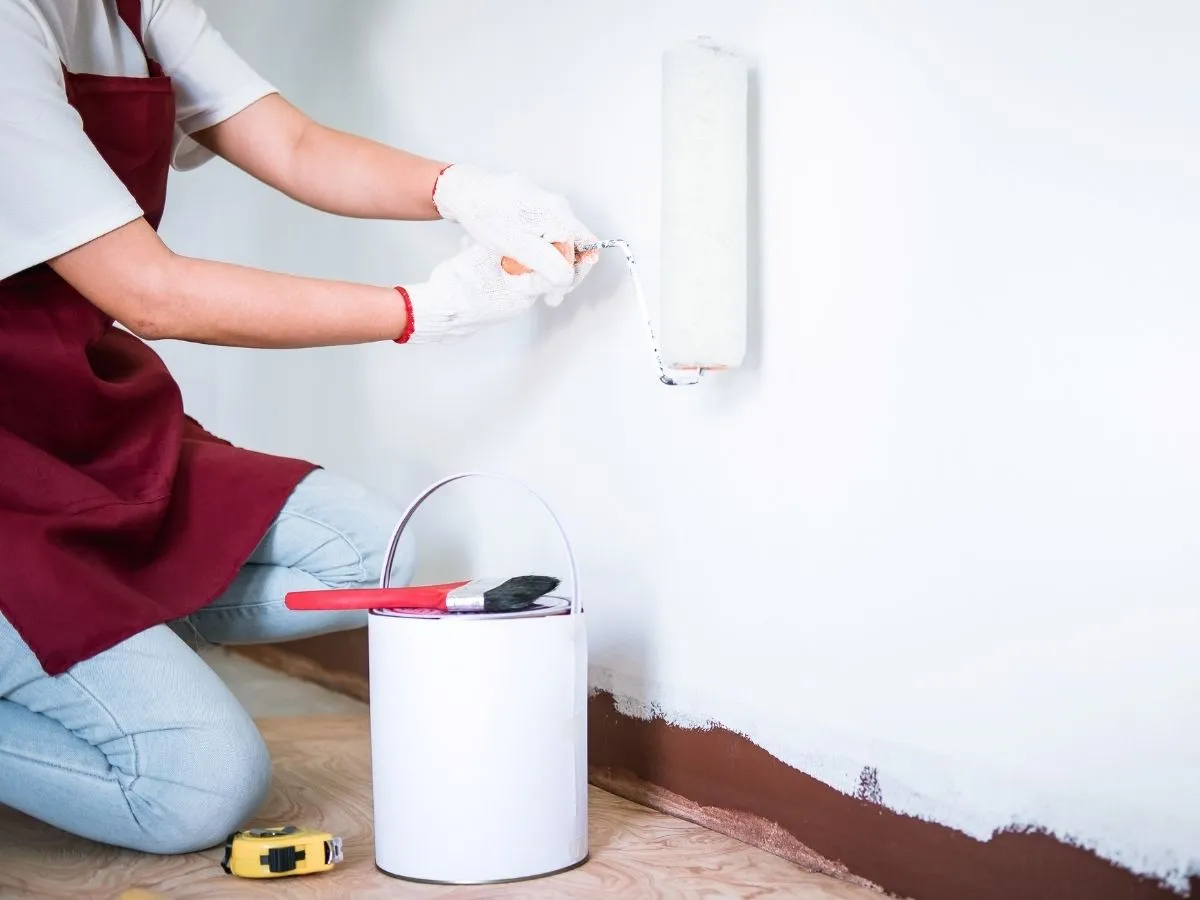
Painting your home can dramatically improve its appearance, but it also carries risks. Dust, drips, spills, and damaged surfaces are common concerns. A professional team knows how to protect your home during painting, ensuring a clean, safe, and stress-free project.
Homeowners often worry about their furniture, flooring, and décor during painting. Skilled painters follow careful steps to prevent damage, maintain cleanliness, and deliver a flawless finish. Understanding these protective measures helps homeowners feel confident in their choice of professional services.
Why Protecting Your Home Matters
Protecting your home during painting is about more than cleanliness—it preserves the value and integrity of your property. Scratches on floors, paint splatters on furniture, or accidental stains on fixtures can be costly and frustrating to fix.
A professional painter treats every home with respect. They aim to minimize disruption while delivering high-quality results. This careful approach not only safeguards your home but also improves the overall painting experience.
Step 1: Pre-Painting Consultation and Assessment
The first step in any painting project is a thorough walkthrough. During this consultation, the team evaluates the space, identifies areas that need protection, and discusses homeowner priorities.
Homeowners can discuss sensitive furniture, high-traffic areas, and special surfaces that need extra care. The goal is to plan how to protect your home during painting from start to finish. This step ensures no surprises later.
Step 2: Moving and Covering Furniture
Before painting begins, all furniture is carefully moved or covered. Protective coverings shield surfaces from dust, paint drips, and scratches.
Key protective methods include:
- Plastic or canvas drop cloths
- Moving furniture to safe locations
- Wrapping delicate or valuable items
- Taping edges to prevent accidental contact
This approach ensures that your belongings remain intact and clean during the painting process.
Step 3: Protecting Floors and High-Traffic Areas
Floors are particularly vulnerable during painting projects. Paint spills, ladder scuffs, and dust accumulation can all damage surfaces if not protected.
Professional painters use:
- Thick drop cloths or protective mats
- Painter’s tape along edges
- Temporary walkways for crew movement
These precautions reduce the risk of damage and keep the home tidy.
Step 4: Covering Walls, Doors, and Trim
Even walls, doors, and trim require protection during painting. Homeowners may not realize how easily paint can transfer to unintended areas.
Painters use:
- Tape along baseboards and door frames
- Plastic sheeting over cabinets and shelves
- Drop cloths for high-touch surfaces
This careful approach prevents accidental marks and ensures clean, professional lines.
Step 5: Safe Handling of Paint and Equipment
Handling paint safely is crucial to prevent spills, stains, and accidents. Professional painters use secure containers, quality brushes, rollers, and sprayers.
Safety measures include:
- Keeping paint cans sealed when not in use
- Using ladders and scaffolding properly
- Cleaning brushes and rollers in designated areas
These steps help homeowners feel confident that their home is safe throughout the project.
Step 6: Minimizing Dust and Debris
Surface preparation, sanding, and minor repairs can create dust. Professional painters control this by using:
- Drop cloths and plastic sheeting
- Vacuum attachments on sanding equipment
- Timely cleanup of debris after each stage
Managing dust protects flooring, furniture, and air quality while keeping the home comfortable.
Step 7: Window and Light Fixture Protection
Windows, light fixtures, and other sensitive areas can be damaged by paint if not carefully protected. Professionals cover or remove these fixtures as needed.
- Light covers or plastic sheets prevent drips
- Taping window edges ensures clean lines
- Careful removal and replacement prevent damage
This attention to detail is a key part of how painters protect your home during painting.
Step 8: Protecting High-Traffic Areas
Hallways, stairs, and entryways are often high-traffic zones during a project. Professionals minimize risk by:
- Laying temporary walkways
- Controlling foot traffic during drying periods
- Clearly marking areas under work
These measures reduce accidents and maintain a safe environment for the family.
Step 9: Regular Cleanup During the Project
Professional painters do not wait until the end to clean. Daily cleanup keeps the home organized and reduces the chance of damage.
- Tools and paint supplies are stored safely
- Drop cloths are adjusted or replaced as needed
- Dust and debris are removed regularly
Ongoing cleanup is a hallmark of quality painting services and a key way to protect the home.
Step 10: Final Inspection and Homeowner Walkthrough
Once painting is complete, the team conducts a final inspection. Homeowners can review every room, check surfaces, and request minor touch-ups.
- Floors, furniture, and fixtures are checked for any marks
- Walls and trim are inspected for even coverage
- Protective coverings are removed safely
This final step ensures the home looks polished and that the protective measures were effective.
How to Protect Your Home During Painting
Painting a home interior involves more than applying colour—it requires care to ensure the space stays clean and damage-free. At Balzer’s Brushing, we recommend homeowners take a few simple steps to support the painting process and protect their home.
-
Remove Fragile Items: Clear delicate décor, artwork, and valuables from rooms before painting begins.
-
Keep Children and Pets Away: Limiting access to work areas helps maintain safety and prevents accidents.
-
Communicate Areas Needing Extra Care: Highlight surfaces or furniture that require special attention so the team can plan accordingly.
-
Confirm Furniture Placement: Deciding in advance where furniture should go minimizes disruption and keeps the workflow smooth.
These small actions make the painting process safer, faster, and more efficient.
The Benefits of Hiring Professionals
Professional painters offer more than just paint application—they bring expertise, tools, and techniques to protect your home while delivering exceptional results.
-
Minimized Risk of Damage: Professionals use protective coverings and careful handling to safeguard floors, furniture, and fixtures.
-
Cleaner, More Efficient Process: Proper preparation, drop cloths, and organized workflows keep the home tidy throughout the project.
-
Reduced Stress for Homeowners: Hiring experts eliminates the worry of mess, mistakes, or accidents during painting.
-
High-Quality, Long-Lasting Results: Attention to protection and technique ensures paint adheres correctly and finishes remain vibrant and durable for years.
Proper protection not only prevents damage during painting but also contributes to the longevity of the work. With Balzer’s Brushing, walls, trims, and surfaces stay clean, smooth, and beautiful, preserving both the aesthetic and value of your home.
Final Thoughts
Knowing how to protect your home during painting is essential for a stress-free and successful project. Skilled painters take careful steps to safeguard furniture, floors, fixtures, and décor from damage. This approach not only improves safety but also ensures professional, long-lasting results. Balzer’s Brushing follows a detailed process to keep homes clean, safe, and beautiful from start to finish. Homeowners can trust our team to handle every step with care and precision.
