
How Long Does House Paint Last? Expert Insights
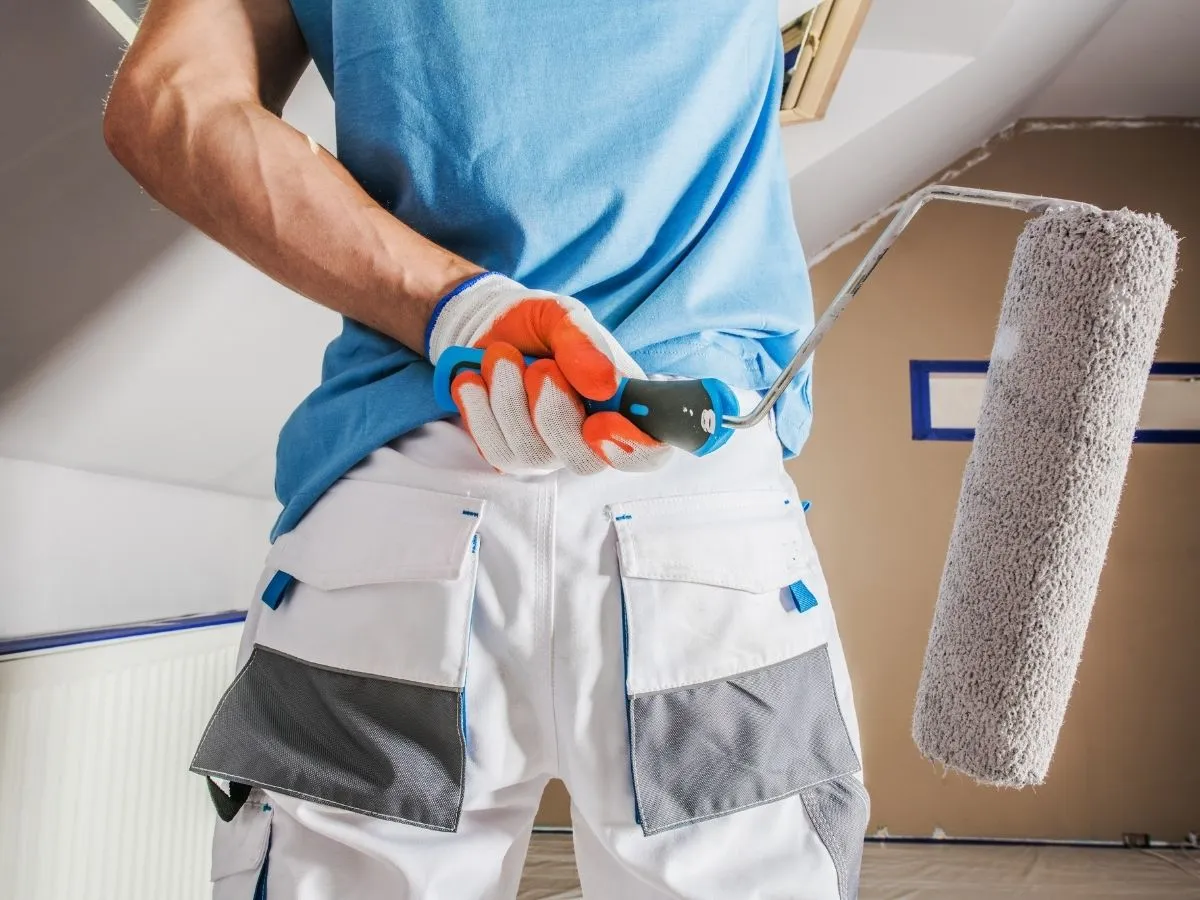
Understanding house paint lifespan is essential for homeowners planning maintenance or renovation projects. Knowing how long paint typically lasts helps budget for repainting, maintain aesthetics, and protect walls from wear and damage. Paint longevity depends on factors such as quality, surface type, exposure to elements, and maintenance habits.
Homeowners often wonder whether their interior or exterior paint is due for a refresh. By understanding the average lifespan of different paint types and the factors that influence durability, they can make informed decisions and avoid costly mistakes.
Average House Paint Lifespan
The lifespan of house paint varies depending on whether it is applied indoors or outdoors.
- Interior paint: High-quality interior paint typically lasts 5 to 10 years. Areas with frequent use, such as kitchens and bathrooms, may require repainting sooner.
- Exterior paint: Exterior paint generally lasts 7 to 15 years, depending on weather exposure, surface type, and paint quality. Harsh climates may reduce the paint’s lifespan.
These averages serve as a guideline, but proper maintenance and care can significantly extend paint longevity.
Factors Affecting Paint Longevity
Several factors influence the house paint lifespan:
- Quality of paint: Premium paints with high-quality pigments and binders last longer and resist fading and peeling.
- Surface preparation: Proper cleaning, sanding, and priming ensure strong adhesion and durability.
- Climate and weather: Extreme sun, heavy rain, humidity, or temperature fluctuations can accelerate paint wear.
- Sunlight exposure: UV rays fade colours and break down paint over time, especially on exterior walls.
- Moisture and humidity: Damp conditions can lead to peeling, mould growth, and bubbling paint.
- Maintenance habits: Regular cleaning and touch-ups help paint last longer and maintain appearance.
Understanding these factors allows homeowners to make informed decisions about paint selection and care.
Signs It’s Time to Repaint
Even before the recommended lifespan ends, some visual cues indicate it’s time to repaint. Homeowners should look for:
- Fading or discolouration: Walls appear dull or patchy due to UV exposure or age.
- Peeling or cracking: Moisture or poor adhesion causes paint to lift or split.
- Chalking: Powdery residue on the surface indicates paint breakdown.
- Stains or mould: Persistent stains or mould growth compromise both aesthetics and wall integrity.
Addressing these signs promptly ensures that walls remain protected and visually appealing.
Choosing Paint for Longevity
Selecting the right paint plays a critical role in extending the house paint lifespan.
- High-quality paint: Invest in premium paints designed for durability and resistance to fading.
- Proper finish: Satin or semi-gloss finishes are more resistant to moisture and easier to clean than flat paints.
- Exterior coatings: Use paints formulated to withstand local climate conditions, including UV protection and water resistance.
- Eco-friendly options: Low-VOC or natural paints may have comparable durability while promoting healthier indoor air quality.
Choosing the appropriate paint ensures longer-lasting results and reduces the need for frequent repainting.
House Paint Lifespan: Interior vs Exterior Paint Considerations
The lifespan of paint differs for interior and exterior applications.
- Interior paint: Protected from weather, interior paint primarily faces wear from cleaning, furniture, and sunlight. Regular touch-ups help maintain walls without a full repaint.
- Exterior paint: Exterior paint endures wind, rain, snow, and UV exposure. Proper surface preparation, primer, and maintenance are critical for longevity. Repainting schedules may vary depending on local climate conditions.
Understanding these differences helps homeowners plan repainting schedules effectively.
Maintenance Tips to Extend Paint Lifespan
Regular Cleaning
Regular cleaning is one of the most effective ways to extend the life of your paint. Dust, dirt, and minor stains accumulate over time, dulling the appearance of walls and affecting their finish. Using gentle cleaning solutions and soft cloths or sponges helps preserve the paint without damaging the surface.
High-traffic areas, such as hallways, kitchens, and bathrooms, benefit from more frequent cleaning. Even small routines, like wiping down walls weekly or monthly, prevent the buildup of grime and maintain a fresh look. Consistent care ensures that both interior and exterior walls retain their vibrancy longer.
Regular cleaning also helps detect early signs of damage, such as discoloration or mold growth. Catching these issues early allows for timely intervention, preserving both the appearance and integrity of the painted surface.
Prompt Repairs
Addressing cracks, chips, or water damage promptly is crucial for maintaining a durable paint finish. Small issues can quickly escalate if ignored, leading to peeling, flaking, or more extensive repairs. Applying filler or patching damaged areas early prevents these problems from spreading.
Water damage is particularly concerning for exterior walls and high-moisture areas inside the home. Repairing leaks, sealing cracks, and touching up paint helps prevent long-term structural and aesthetic damage. Timely repairs save both time and money over the life of the paint.
Prompt action also protects underlying surfaces from further deterioration. By maintaining the wall’s integrity, the paint continues to adhere properly, extending the overall lifespan of the coating.
Protect Surfaces
Protecting painted surfaces from everyday wear and environmental exposure prolongs their lifespan. Use furniture pads, mats, and coasters to prevent scratches and scuffs on walls. Window coverings and blinds can minimize sun exposure, reducing fading caused by UV rays.
Exterior walls benefit from landscaping considerations, such as trimming trees or shrubs that brush against surfaces. These preventative measures reduce physical damage and help maintain a clean, attractive appearance. Protecting surfaces ensures that paint remains vibrant and intact for longer.
In addition, minor preventive steps, like avoiding harsh cleaning chemicals or abrasive tools, keep finishes smooth and unblemished. Small protective habits contribute to the longevity and quality of your paint over time.
Inspect Annually
Annual inspections are essential for spotting early signs of paint deterioration. Check both interior and exterior walls for peeling, fading, mold, or mildew. Identifying problems early allows for timely intervention and prevents more extensive repairs later.
Exterior walls require extra attention due to weather exposure, which can accelerate damage. Inspecting after seasonal changes, such as heavy rains or intense sunlight, ensures that issues like cracks, water intrusion, or discoloration are addressed promptly. Regular inspections maintain both the beauty and integrity of painted surfaces.
Interior walls also benefit from periodic checks, especially in high-traffic areas. This allows homeowners to identify areas that may require touch-ups or cleaning before minor issues become major concerns.
Repaint Selectively
Rather than repainting entire walls frequently, selective touch-ups help maintain a fresh appearance efficiently. Focus on high-traffic areas, corners, or spots that are more prone to wear and tear. Small, strategic touch-ups can significantly improve the look of a room without the cost and effort of full repainting.
Using the same colour and finish for touch-ups ensures a seamless blend with the existing paint. This approach prolongs the overall lifespan of the walls and keeps the home looking polished. Selective repainting is a practical strategy for maintaining aesthetics and functionality.
Routine care, combined with touch-ups, protects surfaces and delays the need for major repainting projects. By addressing small issues proactively, homeowners can enjoy vibrant, durable walls with minimal disruption and expense.
Environmental and Lifestyle Factors
Environmental conditions and lifestyle choices impact paint longevity.
- Sun exposure: South-facing walls fade faster due to UV rays.
- Humidity: Kitchens, bathrooms, and basements are prone to moisture-related paint issues.
- Traffic and use: Busy hallways, children’s rooms, or pet areas experience quicker wear.
- Local climate: Coastal regions or areas with extreme weather may require more frequent repainting.
Homeowners should consider these factors when choosing paint and planning maintenance schedules.
For homeowners aiming to maximize the house paint lifespan, professional painting services offer expertise in surface preparation, paint selection, and application. Professional painters ensure surfaces are properly primed, paint is applied evenly, and finishes are durable, which contributes to longer-lasting results.
Final Thoughts
The lifespan of house paint depends on quality, preparation, environmental conditions, and maintenance. By understanding house paint lifespan, homeowners can plan repainting schedules, choose the right products, and maintain their home’s appearance effectively. Regular upkeep, careful selection, and professional guidance all contribute to longer-lasting paint and a beautiful, well-protected home.
Investing in quality paint and proper maintenance not only improves aesthetics but also protects your home from damage and wear. For expert painting solutions and long-lasting results, we offer professional services tailored to your needs. Protect your investment and enjoy fresh, vibrant walls with expert care.
