
10 Signs It’s Time for Home Interior Painting
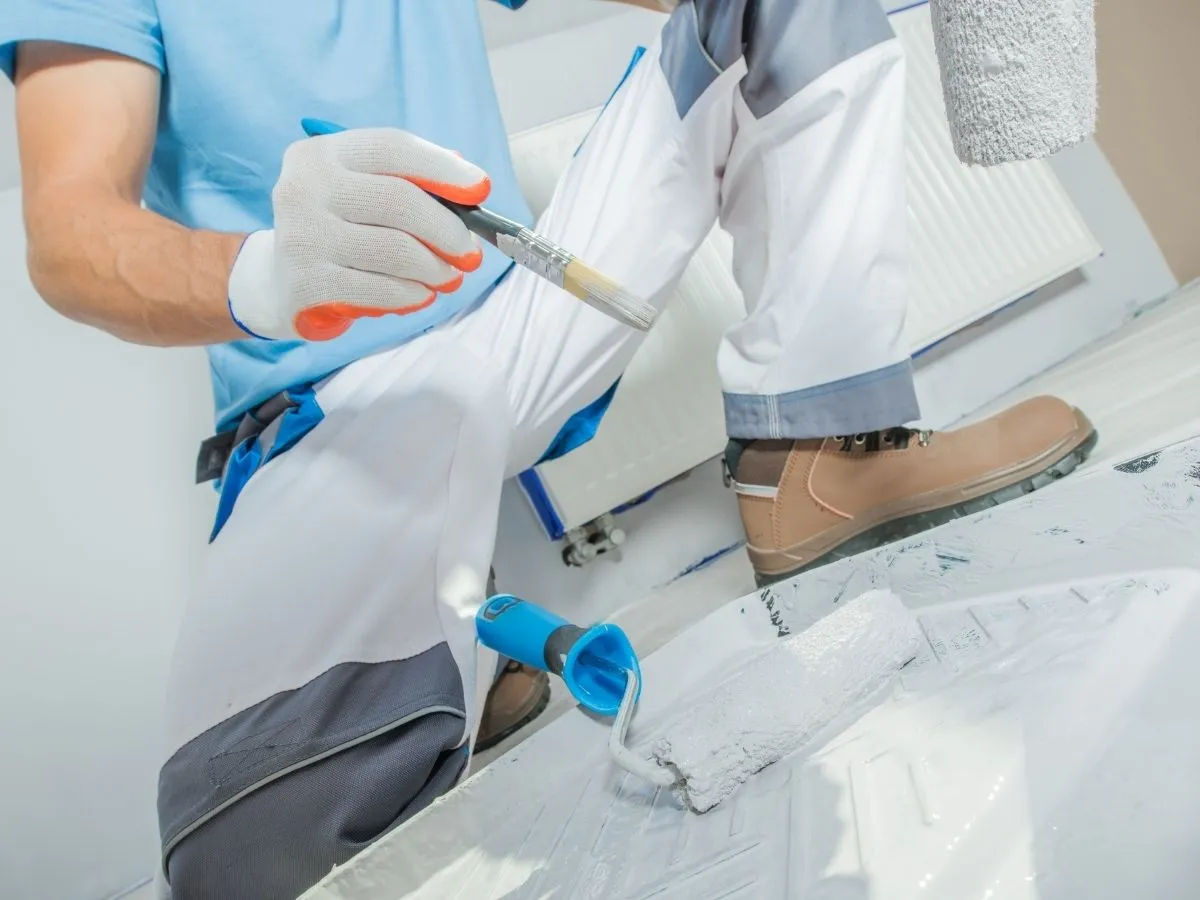
Refreshing a home’s look can be as simple as updating the walls. Home interior painting is more than just a cosmetic choice—it helps protect surfaces and creates a welcoming environment. Over time, walls can show wear and tear, signalling that it’s time for a fresh coat. Recognizing these signs early ensures a polished, vibrant interior that lasts.
1. Faded or Dull Colours
Walls can lose their vibrancy due to sunlight and everyday wear. If your rooms feel dull or the paint appears faded, it’s a clear sign for home interior painting. A fresh colour can instantly brighten a room and make it feel more lively.
2. Visible Cracks and Peeling
Cracks, peeling, or bubbling paint indicate moisture issues or ageing surfaces. These problems not only affect appearance but can also lead to further damage. Timely repainting can prevent additional repairs and maintain the home’s value.
3. Stains and Marks
Kitchen splashes, fingerprints, and accidental stains are common in busy households. When marks persist despite cleaning, it may be time for a full repaint. Using high-quality interior paint helps reduce future staining and keeps walls looking clean.
4. Outdated Colours
Trends change, and paint colours can quickly feel outdated. Choosing neutral or modern tones during a home interior painting project can enhance the overall aesthetic. Updated colours also make a space feel fresh and inviting.
5. Rough or Uneven Surfaces
Over time, walls can develop uneven textures due to previous painting layers or poor preparation. A smooth surface is essential for a professional finish. Repainting can correct imperfections and create a sleek, polished look.
6. Odours or Lingering Smells
Walls can absorb odours from cooking, pets, or smoke. If a room retains unpleasant smells, repainting with fresh, low-VOC paint can refresh the space. It also contributes to a healthier indoor environment.
7. Water Damage
Leaks and water damage can leave stains, bubbles, or soft spots on walls. These issues should be addressed before repainting. Proper repair followed by home interior painting restores both appearance and protection.
8. Preparing for Sale or Rent
A newly painted interior adds value and appeal when selling or renting a home. Prospective buyers and tenants notice well-maintained walls. Home interior painting is a simple yet effective way to create a positive first impression.
9. Children or Pets
Homes with children or pets often experience more wall wear. Crayon marks, scratches, and scuffs are common. Regular repainting keeps spaces clean and ensures your interior remains attractive despite daily activity.
10. Seasonal Refresh
Sometimes, repainting is about personal enjoyment. Changing colours for a seasonal refresh can uplift moods and bring new energy into a home. Even without damage, home interior painting keeps interiors feeling vibrant and welcoming.
Tips for a Successful Home Interior Painting Project
Choose Quality Paint
Choosing high-quality paint sets the foundation for a durable and visually appealing finish. These paints typically offer richer pigments and stronger binders, which help ensure consistent colour and longevity. Even though they cost more upfront, they reduce long-term maintenance needs.
Premium paints also provide better coverage, meaning fewer coats are required to achieve an even look. This saves time and ensures the final result appears smoother and more professional. In high-traffic rooms, quality paint can resist stains, scratches, and fading far better than economy options.
Selecting washable or scrubbable finishes is another advantage of better-quality paint. These finishes allow you to clean walls without damaging the surface. For families, homeowners with pets, or areas prone to smudges, this small detail makes a big difference.
Prepare Surfaces
Proper surface preparation is essential for a flawless painting outcome. Cleaning the walls removes dust, grime, and oils that prevent paint from bonding. Without this step, the finish may peel or develop uneven patches over time.
Repairing cracks, holes, and dents helps create a smooth canvas for new paint. Using filler or plaster and sanding it carefully ensures that imperfections don’t show through the final coat. This also helps the new paint adhere more securely.
If the walls have old, flaking paint, scraping and sanding are necessary before painting. Applying a primer afterward can improve coverage and enhance the durability of your topcoat. Priming is especially important when covering dark colours or painting surfaces that absorb moisture.
Pick Complementary Colours
Selecting the right colour scheme involves more than simply choosing a shade you find attractive. Lighting—both natural and artificial—can dramatically affect how colours appear in different rooms. Testing sample swatches at various times of day helps you make a confident choice.
It is also helpful to consider your existing furniture, flooring, and décor. Complementary colours create a cohesive and harmonious environment, while clashing tones may disrupt the room’s aesthetic. Thinking about the function of the space can guide you toward calming, energizing, or neutral shades.
Warm hues create inviting and social atmospheres, making them ideal for living rooms or dining areas. Cooler tones, on the other hand, promote relaxation and work well in bedrooms or reading spaces. Creating a mood board can help visualize how each shade interacts with your interior elements.
Use Proper Tools
Having the right tools significantly improves your painting results. High-quality brushes and rollers ensure even application, reducing streaks and roller marks. Painter’s tape allows you to achieve sharp lines, especially around trim or transitions.
Drop cloths are essential for protecting floors and furniture from splatters and spills. They make cleanup easier and ensure your space remains tidy throughout the project. Extension poles also help you reach high walls and ceilings without straining.
Using the correct tools not only improves the final outcome but also speeds up the entire painting process. It makes the work more manageable, especially for larger rooms or multi-wall projects. Investing in quality tools is a smart choice for both DIY enthusiasts and professionals.
Hire Experts
Hiring professional painters is an excellent option for homeowners seeking efficiency and superior results. Experts bring years of experience, allowing them to handle difficult surfaces, detailed trim work, and complex colour combinations. Their skill ensures a more polished and uniform finish.
Professionals also manage the time-consuming tasks of prepping, painting, and cleaning up. This saves homeowners from stress and potential mistakes that come with DIY efforts. Their use of commercial-grade tools and techniques further enhances durability.
A professional paint job typically lasts longer and requires fewer touch-ups over time. This makes hiring experts cost-effective in the long run, especially for large homes or spaces with intricate detailing. For those who want a flawless, long-lasting outcome, professional painters are a valuable investment.
For expert guidance and top-tier service, check out Balzer’s Brushing for comprehensive painting solutions. Their team specializes in creating beautiful, long-lasting interiors tailored to each home.
How Often Should You Repaint Your Home Interior?
While it varies based on lifestyle and wall conditions, most interiors benefit from a fresh coat every 5–10 years. High-traffic areas may need attention sooner. Regularly inspecting walls ensures timely repainting and maintains the home’s aesthetic appeal.
Benefits of Professional Home Interior Painting
- Consistency: Even, smooth coverage with no streaks or patches.
- Efficiency: Professionals complete projects faster than DIY efforts.
- Durability: Long-lasting paint resists chipping, stains, and fading.
- Expert Advice: Professionals recommend colours, finishes, and preparation techniques.
Learn more about the variety of services we offer to elevate your home interior.
Common Mistakes to Avoid
- Skipping Surface Preparation: Leads to peeling or uneven results.
- Choosing the Wrong Finish: Matte, satin, or gloss finishes serve different purposes.
- Overlooking Ventilation: Proper airflow ensures quicker drying and reduces fumes.
- Using Low-Quality Paint: Can result in frequent touch-ups and diminished appearance.
Final Thoughts
Recognizing when it’s time for home interior painting can transform your living space. From faded colours to stains and damage, each sign is an opportunity to refresh and protect your home. Partnering with professionals like us guarantees high-quality results, ensuring walls look stunning for years to come.
Repainting is more than maintenance—it’s a chance to create a home that reflects comfort, style, and care. Don’t wait for the damage to worsen; take action today to give your interior the fresh look it deserves.
Transform your home with our expert painting services. Contact us now to schedule a consultation and refresh your interiors with confidence.
