
Renovation Painting Mistakes Homeowners Should Avoid
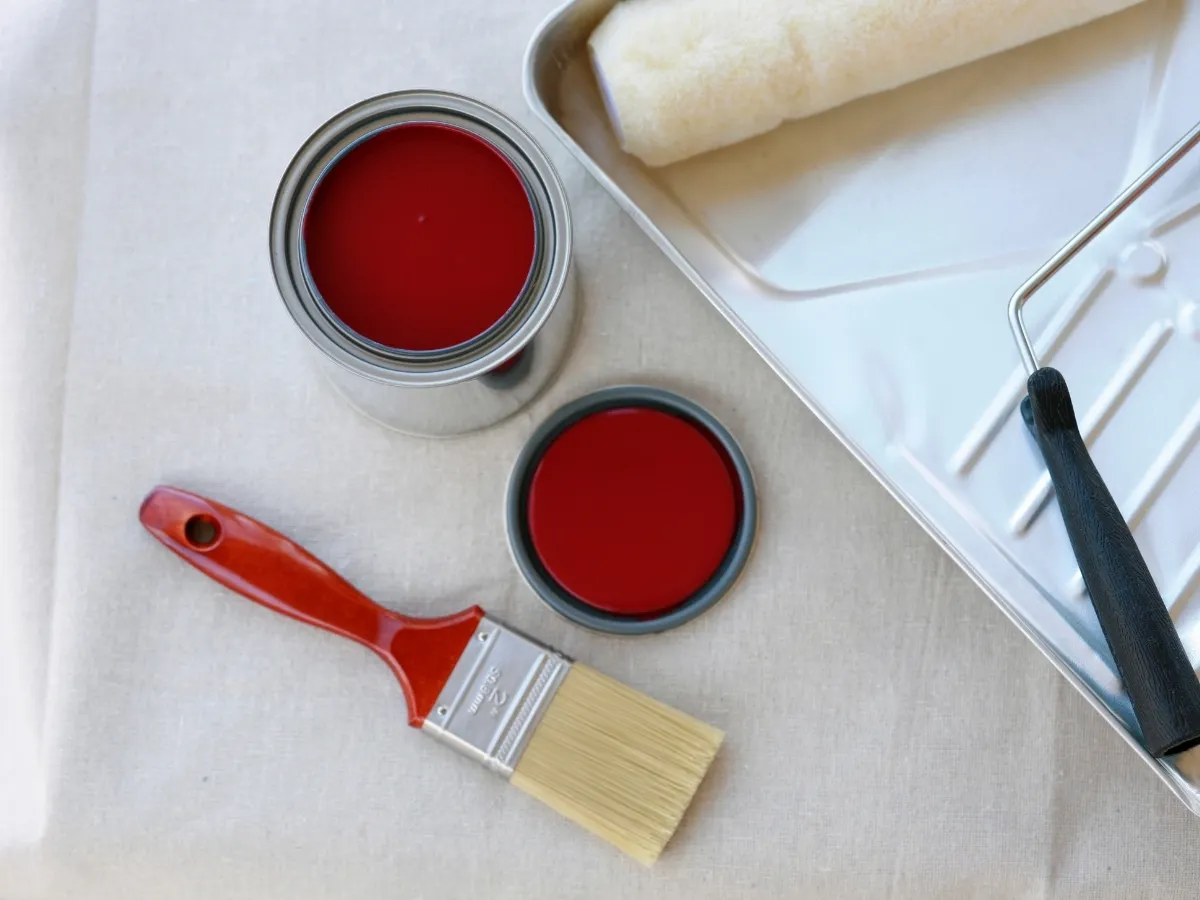
Painting is often one of the final and most visible parts of a renovation project. A fresh coat of paint can completely transform a home, improve comfort, and increase property value. However, many homeowners make avoidable renovation painting mistakes that lead to poor finishes, wasted money, and unnecessary frustration. Whether you are renovating a single room, updating an older home, or completing a major remodel, proper planning and preparation are essential for achieving long lasting results. Painting may seem simple at first, but renovation projects often involve complex surfaces, scheduling coordination, and product selection decisions that can significantly affect the final outcome. At Balzer’s Brushing, we help homeowners throughout British Columbia avoid common renovation painting problems through professional preparation, expert guidance, and high quality workmanship. Understanding the most common mistakes can help homeowners protect their renovation investment and achieve smoother, more durable finishes.
Skipping Proper Surface Preparation
One of the biggest renovation painting mistakes homeowners make is underestimating the importance of preparation.
Painting over damaged or dirty surfaces can lead to:
- Peeling paint
- Uneven finishes
- Poor adhesion
- Visible imperfections
- Shorter paint lifespan
Proper preparation may include:
- Cleaning walls and surfaces
- Sanding rough areas
- Filling cracks and holes
- Repairing drywall damage
- Priming stained surfaces
- Caulking gaps and trim
Preparation often takes more time than painting itself, but it is one of the most important parts of achieving professional results. Professional residential interior painting services focus heavily on preparation because it directly affects durability and overall appearance.
Choosing Paint Based Only on Price
Many homeowners try to reduce renovation costs by choosing the cheapest paint products available, especially when managing larger interior or exterior painting projects. While lower priced paint may seem like a good way to save money upfront, it can often create additional expenses and frustrations over time. Cheaper paint products may require more coats to achieve proper coverage, produce uneven colour results, and wear down more quickly under everyday use. In some cases, lower quality paint may also struggle to adhere properly to surfaces, leading to premature peeling, fading, or inconsistent finishes that reduce the overall appearance of the home.
Higher quality paint products generally provide better washability, stronger adhesion, improved moisture resistance, smoother finishes, and longer lasting colour retention. These performance benefits are especially important in high traffic areas, kitchens, bathrooms, and exterior surfaces exposed to changing weather conditions. Investing in better paint products often saves homeowners money in the long term because the finishes last longer and require less frequent repainting or maintenance. Professional painters typically recommend high quality paints because they deliver more reliable results, improve durability, and help homeowners achieve a cleaner and more professional appearance throughout the renovation project.
Painting Before Renovations Are Fully Complete
Timing is extremely important during renovation projects.
Some homeowners paint too early before other trades have finished working in the space.
This can lead to:
- Scratched walls
- Dust contamination
- Surface damage
- Additional touch ups
- Delayed project timelines
Painting is often best completed after:
- Flooring installation
- Electrical work
- Cabinet installation
- Major drywall repairs
- Trim installation
Professional painters coordinate carefully with renovation schedules to minimize damage and avoid unnecessary repainting.
Ignoring Lighting Conditions When Choosing Colours
Paint colours can appear very different depending on the lighting conditions within a home. A shade that looks warm and balanced in a paint store may appear cooler, darker, or brighter once applied inside the actual space. Natural light direction, window size, ceiling height, interior lighting types, and even the time of day all influence how paint colours are perceived. For example, north facing rooms often create cooler tones, while south facing spaces may make colours appear warmer and brighter. Because of these variations, choosing paint colours too quickly without testing them in the home can often lead to disappointment after the project is completed.
Testing paint samples directly on different walls and observing them throughout the day helps homeowners make more confident and accurate colour decisions. Colours may shift noticeably between morning, afternoon, and evening lighting conditions, especially in open concept layouts or rooms with large windows. Professional painters often recommend sampling a few shades before committing to a full project to ensure the chosen colour works well within the home’s unique environment. Careful colour testing helps create a more balanced and visually pleasing final result.
Using Too Many Bold Colours
Bold paint colours can add personality and visual interest to a home, but using too many strong shades throughout a renovation may make the space feel overwhelming or visually cluttered. This issue is especially common in open concept homes, smaller spaces, or interiors with limited natural light where multiple bold colours compete for attention at the same time. Instead of creating warmth and character, excessive colour variation can make rooms feel disconnected and reduce the sense of flow throughout the home.
Neutral base colours combined with carefully selected accent tones often provide a more timeless and balanced appearance. Soft neutrals create visual consistency while allowing feature walls, décor, or architectural details to stand out naturally. Professional painters can help homeowners develop coordinated colour palettes that feel modern, welcoming, and cohesive without becoming overly busy. A thoughtful approach to colour selection helps create interiors that remain visually appealing and comfortable for years to come.
Forgetting About Trim, Doors, and Ceilings
Some homeowners focus entirely on wall colours during a renovation and overlook how much trim, doors, and ceilings contribute to the overall appearance of the space. Even freshly painted walls can feel incomplete if surrounding surfaces appear worn, yellowed, or outdated. Trim, baseboards, crown moulding, doors, and ceilings help frame the room visually and create contrast that enhances the final look of the paint project. Neglecting these elements may reduce the overall impact of the renovation.
Updating trim and ceiling paint can help create cleaner finishes, brighter interiors, and a more polished overall appearance. Fresh white or soft neutral trim often provides crisp contrast against wall colours while helping rooms feel brighter and more refined. Repainting ceilings can also improve light reflection and make spaces feel cleaner and more open. Professional painters understand how these finishing details work together to create a cohesive and professionally completed renovation.
Not Using the Right Paint Finish
Paint finish affects both the appearance and durability of painted surfaces, making it an important part of any renovation project. Choosing the wrong finish can lead to problems such as difficult cleaning, excessive shine, visible wall imperfections, or poor moisture resistance in high humidity areas. Different finishes are designed for different purposes, and selecting the appropriate sheen helps improve both performance and visual appeal throughout the home.
Common paint finishes include matte, eggshell, satin, and semi gloss, each offering different levels of durability and light reflection. Bathrooms and kitchens typically benefit from more durable finishes like satin because they are easier to clean and more resistant to moisture. Living rooms and bedrooms often work better with matte or eggshell finishes that reduce glare and help conceal surface imperfections. Professional painters recommend finishes based on room function, lighting conditions, and wall condition to ensure the best balance of appearance, maintenance, and long term durability.
Underestimating Moisture Problems in BC Homes
British Columbia homes often deal with moisture related concerns because of the local climate.
Painting over moisture damaged surfaces without addressing the root issue can lead to:
- Bubbling paint
- Peeling surfaces
- Mould growth
- Water stains returning
Bathrooms, kitchens, basements, and exterior walls are especially vulnerable. Proper preparation and moisture resistant products are essential for long term durability. Professional exterior home painting services also help protect homes from BC weather conditions and moisture exposure.
Rushing Exterior Painting Projects
Exterior painting requires careful planning, proper preparation, and suitable weather conditions to achieve long lasting results. Some homeowners rush painting projects during periods of rain, excessive humidity, extreme heat, or cold temperatures in an effort to complete renovations quickly. However, poor weather conditions can negatively affect paint adhesion, drying times, finish quality, and overall durability. Moisture and temperature fluctuations may prevent paint from curing properly, leading to problems such as peeling, bubbling, cracking, or uneven finishes shortly after the project is completed.
Professional painters carefully monitor weather forecasts and surface conditions before and during exterior painting projects to ensure proper application and curing. In British Columbia, spring, summer, and early fall are generally considered the best seasons for exterior painting because they typically provide more stable temperatures and lower moisture levels. Proper timing helps maximize paint performance while reducing the risk of weather related complications. Taking the time to schedule exterior painting under the right conditions helps protect the investment and improves the overall lifespan of the finish.
Skipping Primer When It Is Needed
Primer is not always necessary for every painting project, but skipping it when surfaces require sealing or coverage improvement can create significant problems later. Primer plays an important role in helping paint adhere properly, improving colour consistency, and sealing porous or damaged surfaces before the finish coats are applied. It is especially important for new drywall, stained areas, dark to light colour transitions, bare wood, and repaired surfaces where uneven absorption may occur. Without proper priming, paint may appear patchy, require additional coats, or fail prematurely over time.
Professional painters carefully assess each surface to determine whether specialty primers are needed based on the condition of the material and the goals of the project. Using the correct primer helps create smoother finishes, stronger adhesion, and better long term durability. In many cases, primer also improves the final appearance by allowing paint colours to appear more even and vibrant. Proper surface preparation, including priming when necessary, is a key part of achieving professional and reliable painting results.
Poor Communication With Contractors
Painting and renovation projects often involve multiple contractors, timelines, and preparation steps that must be coordinated carefully. Poor communication between homeowners and contractors can lead to scheduling delays, incorrect paint colours, missed repairs, incomplete preparation, or confusion about project expectations. Even small misunderstandings can affect the quality, efficiency, and overall experience of the renovation process. Clear communication from the beginning helps ensure everyone involved understands the project goals and responsibilities.
Homeowners should discuss important details such as colour selections, timeline expectations, surface repairs, product preferences, and the exact areas included in the project before work begins. Asking questions and reviewing plans carefully can help avoid unexpected issues later in the process. Professional painting companies typically provide guidance and updates throughout the project to keep communication organized and transparent. Strong communication helps projects run more smoothly while improving efficiency, accuracy, and overall customer satisfaction.
Trying to Finish Everything at Once
Large painting and renovation projects can quickly become overwhelming when homeowners try to complete every update at the same time. Attempting to repaint an entire home or manage multiple renovation projects simultaneously may lead to rushed decisions, budget strain, scheduling conflicts, and lower quality workmanship. When too many projects compete for attention at once, homeowners may feel pressured to make quick choices about colours, finishes, or timelines without fully considering the long term results.
Many homeowners benefit from completing painting projects in phases instead of trying to finish everything at once. For example, main living spaces may be prioritized first, followed by bedrooms, offices, or exterior updates later. Phased renovations can feel more manageable financially and emotionally while still creating noticeable improvements throughout the home over time. This approach also gives homeowners more flexibility to plan carefully, evaluate design choices, and maintain higher overall project quality without unnecessary stress or rushed decisions.
Not Planning for Future Maintenance
Paint is not permanent, especially in high traffic areas or harsh weather conditions.
Homeowners should plan for future maintenance by:
- Choosing durable products
- Addressing repairs early
- Using proper preparation
- Scheduling regular inspections
Quality workmanship and products help reduce future maintenance costs and extend the lifespan of painted surfaces.
Ignoring Curb Appeal During Renovations
Some homeowners focus heavily on interior upgrades during renovation projects and overlook the importance of maintaining or improving the home’s exterior appearance. While updated interiors can greatly improve comfort and functionality, the exterior of the home is still the first thing visitors, neighbours, and potential buyers notice. Worn, faded, or outdated exterior paint can reduce the overall impact of even the most impressive interior renovations. Fresh exterior paint helps create a cleaner, more polished appearance that enhances the entire property and makes the renovation feel more complete.
A professionally painted exterior can dramatically improve curb appeal, increase property value, and highlight the architectural character of the home. Updated exterior colours can also complement new landscaping, roofing, windows, or outdoor living upgrades completed during the renovation process. Coordinating both interior and exterior improvements creates a more balanced transformation that improves the overall appearance and long term value of the property. Many homeowners find that investing in exterior painting helps tie the entire renovation together while making the home feel newer, brighter, and better maintained from every angle.
New Construction Renovation Coordination
Larger renovation projects may involve additions or newly built spaces that require professional coordination. Professional new construction painting services help ensure consistent finishes across renovated and newly constructed areas.
This is especially important for:
- Custom home additions
- Major remodels
- Basement suites
- Open concept redesigns
Coordinated painting creates a more seamless final appearance throughout the home.
Why Professional Guidance Helps Avoid Mistakes
Painting may seem like a simple part of a renovation project, but achieving long lasting and professional quality results often involves many important decisions behind the scenes. Homeowners must consider surface preparation, product compatibility, colour coordination, moisture exposure, lighting conditions, and project timing to ensure the final finish performs well over time. Without proper planning, small mistakes can lead to peeling paint, uneven finishes, premature wear, or costly repainting later. Renovation projects can become especially complicated when multiple rooms, surfaces, or contractors are involved at the same time.
Professional painters help homeowners avoid these costly issues by providing expert guidance throughout every stage of the project. Experienced professionals understand how to prepare different surfaces properly, recommend suitable paint products, coordinate colour palettes, and schedule work according to weather or renovation timelines. They can also identify hidden problems such as moisture damage, deteriorating surfaces, or repair needs before they become larger and more expensive concerns. Professional guidance helps create smoother project execution, better long term durability, and a more polished final appearance that supports the overall success of the renovation.
Planning and Budgeting Renovation Painting Projects
Many homeowners begin planning painting updates long before renovation work begins.
Using an estimate tool can help homeowners:
- Explore project costs
- Compare renovation priorities
- Plan timelines
- Budget more effectively
At Balzer’s Brushing, homeowners can use our instant cost estimate tool to receive a convenient starting point when budgeting renovation painting projects. If you would like expert guidance for your renovation, you can also contact our team for personalized recommendations tailored to your home and project goals.
Final Thoughts
Avoiding common renovation painting mistakes helps homeowners protect their investment while achieving smoother, longer lasting, and more professional results. Proper preparation, quality paint products, thoughtful colour planning, and careful scheduling all play major roles in successful renovation painting projects. Rushing preparation, choosing low quality products, ignoring moisture issues, or painting too early during renovations can lead to unnecessary costs and disappointing finishes. Professional guidance helps homeowners avoid these problems while improving overall project efficiency and durability.
