
The Best Paint Options for Older Plaster Walls
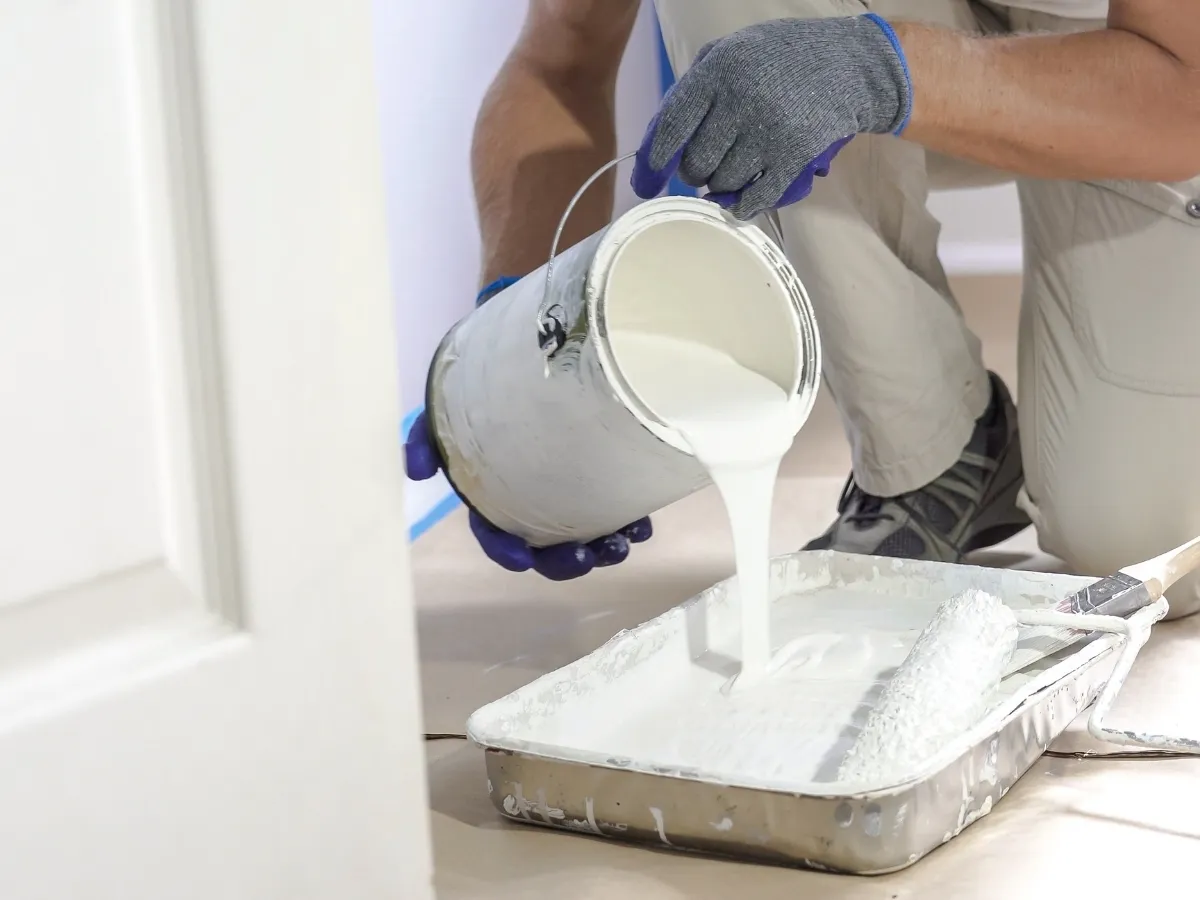
Painting older plaster walls requires careful consideration to preserve their character while ensuring a durable, updated finish. Unlike modern drywall, plaster is more porous and can be prone to cracking or uneven textures, which makes proper preparation essential. Before painting, surfaces should be cleaned, repaired, and sealed with a high-quality primer designed for masonry or plaster. This helps create a stable base, improves paint adhesion, and prevents issues like uneven absorption or peeling over time.
When selecting the best paint for plaster walls, breathable and flexible options are key. Acrylic latex paints are often the top choice because they allow moisture to escape while still providing strong coverage and durability. This is important for older homes, where trapped moisture can lead to damage beneath the surface. Finishes such as matte or eggshell are commonly preferred, as they help mask minor imperfections while still being easy to maintain. Choosing a high-quality paint also ensures better coverage, reducing the need for multiple coats.
In addition to product selection, technique plays a major role in achieving long-lasting results. Applying paint in thin, even layers helps avoid buildup that could highlight imperfections or lead to cracking. It is also important to address any existing issues, such as hairline cracks or flaking areas, before painting begins. By combining proper preparation, the right materials, and careful application, you can enhance the beauty of plaster walls while protecting their integrity, allowing your home’s original charm to shine through for years to come.
Why Plaster Walls Need Special Care
Plaster walls are different from drywall in both structure and behaviour. They are often more porous, which means they absorb paint differently. Over time, plaster can also develop small cracks or areas of wear. Using the wrong type of paint can lead to peeling, uneven coverage, or poor adhesion. Choosing the right paint for plaster walls helps ensure a smooth and durable finish. It also protects the surface from further damage. Proper preparation is just as important as the paint itself. When handled correctly, plaster walls can look beautiful and last for many years.
Preparing Plaster Walls for Painting
Before applying any paint, it is essential to prepare the surface properly. This step helps the paint adhere and creates a clean, even finish. Start by inspecting the walls for cracks, holes, or loose plaster. These areas should be repaired using a suitable filler. Once repairs are complete, the walls should be sanded lightly to smooth out imperfections. Cleaning the surface is also important to remove dust and debris. Applying a high quality primer is a key step when working with paint for plaster walls. Primer seals the surface and provides a consistent base for the paint.
Best Types of Paint for Plaster Walls
Selecting the right type of paint is crucial for achieving a lasting result. Some paints perform better on plaster than others. Here are the most effective options:
Latex Paint
Latex paint is one of the most popular choices for plaster walls. It is flexible, breathable, and less likely to crack over time. This makes it ideal for older surfaces that may shift slightly. Latex paint also dries quickly and is easy to clean.
Acrylic Paint
Acrylic paint offers strong adhesion and durability. It works well on plaster walls that have been properly primed. This type of paint is resistant to moisture and can handle high traffic areas. It is a reliable option for both walls and ceilings.
Mineral Based Paint
Mineral based paints are a great choice for preserving the natural look of plaster. They bond well with the surface and allow it to breathe. This helps prevent moisture buildup and peeling. These paints are often used in heritage homes where maintaining authenticity is important. Our team at Balzer’s Brushing can help you choose the best paint for plaster walls based on your home’s condition and style. With our interior painting services, you can expect a professional and lasting finish.
Choosing the Right Paint Finish
Choosing the right paint finish is an important step in achieving both the desired look and long-term performance of your walls, especially when working with plaster surfaces. Matte or flat finishes are often appealing because they help conceal imperfections, making them a good option for older walls with minor flaws. However, they tend to be less durable and more difficult to clean, which can be a drawback in busy areas. Eggshell finishes offer a subtle sheen that enhances the appearance of the wall while providing improved resistance to wear, making them a practical middle-ground choice.
For areas that require greater durability and ease of maintenance, satin finishes are often the most effective option. Their smooth surface allows for easier cleaning, making them well-suited for high-traffic spaces such as hallways or living areas. In most situations, eggshell and satin finishes provide the best balance between aesthetics and functionality when choosing paint for plaster walls. By selecting a finish that aligns with both your design goals and the demands of the space, you can achieve a result that looks refined while standing up to everyday use.
Dealing with Cracks and Imperfections
Older plaster walls often have small cracks or uneven areas. These imperfections are part of the home’s history, but they should be addressed before painting. Filling cracks and sanding rough spots will create a smoother surface. For larger issues, professional repair may be needed. Once the surface is properly prepared, the paint will go on more evenly. This results in a cleaner and more polished look.
Colour Choices for Older Homes
When selecting paint for plaster walls, colour plays an important role. Many homeowners choose shades that complement the character of older homes. Soft neutrals, warm whites, and muted tones are popular options. These colours enhance the natural texture of plaster while creating a timeless look. Bold colours can also work, but they should be chosen carefully to avoid overwhelming the space. Our team can guide you in selecting colours that suit your home’s style and lighting.
Common Mistakes to Avoid
Painting plaster walls requires attention to detail. One common mistake is skipping the primer, which can lead to uneven coverage and poor adhesion. Another is using paint that is too rigid, which may crack over time. It is also important not to rush the preparation process. Proper cleaning, repairing, and priming are essential steps. Taking the time to do it right will result in a better and longer lasting finish.
Ideal for Renovations and New Projects
Whether you are restoring an older home or updating a single room, choosing the right paint for plaster walls is essential. It helps preserve the integrity of the surface while improving its appearance. This is especially important in renovation projects where maintaining character is a priority. Our new construction painting services also support projects that blend modern and traditional elements. We ensure every surface is treated with care and finished to a high standard.
Why Professional Painting Makes a Difference
Painting plaster walls requires a level of skill and attention that goes beyond standard painting projects. These surfaces can be more sensitive to moisture, texture variations, and previous repairs, all of which must be carefully evaluated before any paint is applied. Without proper preparation and the right materials, issues such as uneven coverage, cracking, or poor adhesion can occur. Professional painters understand how to properly assess plaster, select suitable primers and finishes, and prepare the surface to ensure a smooth and lasting result.
At Balzer’s Brushing, we approach each project with a focus on quality and precision. Our team takes the time to evaluate the condition of your walls, recommend the most appropriate products, and apply each coat with care. This attention to detail not only enhances the appearance of your space but also improves the durability of the finish. By relying on professional expertise, you can achieve a result that looks refined, performs well over time, and adds lasting value to your home.
Maintaining Your Painted Plaster Walls
Once your walls are painted, proper maintenance will help preserve their appearance. Regular dusting and gentle cleaning can prevent buildup and stains. Avoid using harsh chemicals that may damage the paint. If small cracks or chips appear over time, addressing them early can prevent larger issues. With proper care, your painted plaster walls can remain in excellent condition for years.
Final Thoughts
Choosing the right paint for plaster walls is key to preserving the beauty and durability of older homes. With proper preparation, quality products, and expert application, you can achieve a finish that enhances both style and function. From selecting the right paint type to maintaining the surface, every step matters. At Balzer’s Brushing, we are committed to helping you protect and refresh your home with care and expertise. If you are ready to update your space, we invite you to contact us and let us bring new life to your walls.
