
How to Fix Scuffed or Marked Painted Walls
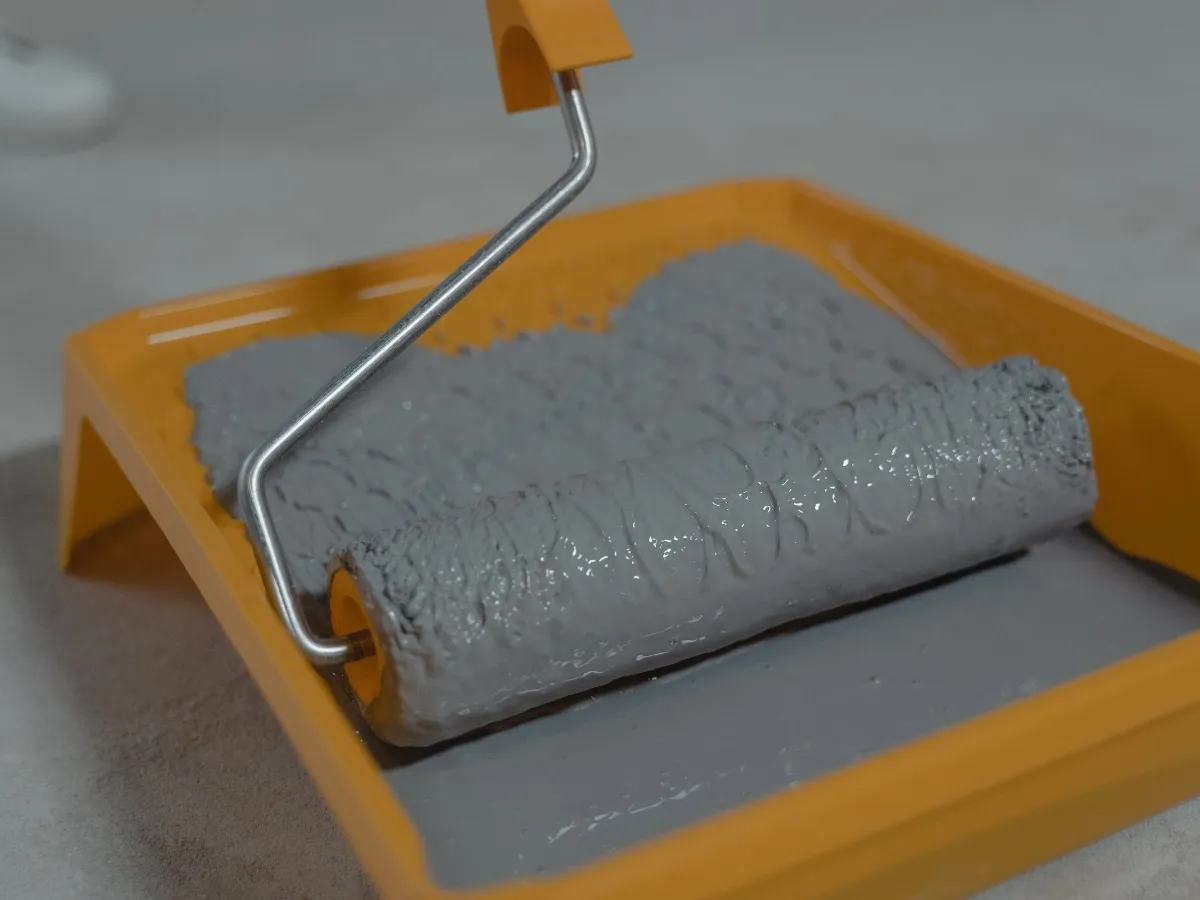
Scuffed paint or marked painted walls can often be restored with simple cleaning before any repainting is necessary. Many scuffs come from rubber soles, furniture edges, or everyday contact and may sit on the surface of the paint rather than damaging it. Professional painters usually begin by gently cleaning the area with a soft cloth or sponge and a mild soap solution. A non-abrasive cleaning method helps remove the mark without damaging the paint finish. After cleaning, the wall should be dried and inspected to see if the scuff has been fully removed.
If cleaning does not completely eliminate the mark, a small touch-up may be required. Professional painters typically use leftover paint from the original project to maintain an exact colour match. Before applying touch-up paint, the area is lightly sanded if needed to smooth any rough spots or surface damage. A small brush or mini roller is then used to carefully apply a thin coat of paint over the affected area. Applying paint lightly and blending the edges helps the repair blend naturally with the surrounding wall.
For walls with multiple scuffs or visible wear, repainting a larger section may produce better results. Sometimes touching up only one small area can create slight differences in sheen or texture, especially on walls with flat or matte finishes. In these cases, professionals may repaint the entire wall from corner to corner to ensure a uniform appearance. With proper cleaning, careful touch-ups, and occasional repainting when necessary, scuffed painted walls can be restored to a smooth and well-maintained look.
Why Painted Walls Develop Scuffs
Scuff marks are one of the most common types of surface damage that appear on painted walls. They typically occur when objects such as shoes, bags, furniture, or other items rub against the wall and leave behind residue or light abrasions on the paint. These marks are especially common in high-traffic areas of a home where people frequently pass by. Hallways, entryways, stairwells, and areas around light switches often experience repeated contact, which gradually leads to visible scuffs and smudges on the painted surface.
Although scuff marks usually do not harm the structure of the wall itself, they can noticeably affect the appearance of the paint finish. Over time, these marks may make walls look worn, dirty, or poorly maintained even if the paint is still in good condition. Understanding how to repair scuffed painted walls can help restore the clean look of a room without the need for a complete repaint. Simple touch-up techniques and minor maintenance can keep walls looking fresh and well cared for while extending the life of the existing paint.
Start With Gentle Cleaning
The first step when trying to repair scuffed painted walls is simple cleaning. Many scuff marks are caused by surface residue rather than damage to the paint itself. Using a soft cloth or sponge with mild soap and water can often remove these marks. The area should be wiped gently to avoid damaging the paint. After cleaning, the wall should be dried with a clean cloth. If the mark disappears, no further repair is needed. Cleaning is always the best first step because it addresses the problem without altering the paint surface.
Use a Soft Cleaning Tool
Some scuff marks may require slightly stronger cleaning methods. A soft sponge designed for wall cleaning can help remove tougher marks. When using these tools, it is important to apply gentle pressure. Scrubbing too hard may remove the paint or leave dull spots on the wall. Testing the cleaning method on a small hidden area first can help prevent damage. Careful cleaning can often restore the wall without requiring repainting.
Check for Paint Damage
If cleaning does not remove the mark, the paint surface may be slightly damaged. This can happen when objects scrape against the wall and remove a small amount of paint. At this stage, it may be necessary to repair scuffed painted walls with paint touch ups. Small areas can usually be fixed without repainting the entire wall. Before applying new paint, the damaged area should be cleaned and lightly sanded. Sanding smooths rough edges and helps the new paint blend with the existing surface. Preparing the surface ensures the repair looks even and professional.
Apply Paint Touch Ups
Touch up painting is often the best solution when repairing scuffed painted walls. Matching the original paint colour helps restore the wall’s appearance. Using a small brush or foam applicator allows paint to be applied precisely to the damaged area. Thin coats work best because they blend more naturally with the surrounding paint. Allow the paint to dry fully before evaluating the repair. If necessary, an additional coat can be applied to improve coverage. Touch ups can make small scuffs almost invisible when done carefully.
Blend the Paint for Better Results
Sometimes touch up areas may appear slightly different from the surrounding paint. This happens because the existing paint has aged or faded slightly. To repair scuffed painted walls more effectively, painters may extend the paint slightly beyond the damaged area. This technique helps blend the new paint with the existing surface. Using the same roller type and painting technique as the original application also improves blending. These small adjustments help create a smoother and more consistent finish.
Preventing Future Scuff Marks
After learning how to repair scuffed painted walls, many homeowners also look for ways to prevent new marks from appearing. Simple changes in daily habits can help reduce the amount of contact that walls experience. For example, avoiding placing furniture directly against the wall whenever possible can prevent friction that leads to scuffing. Installing protective bumpers, corner guards, or felt pads on the backs of chairs and tables can also help reduce accidental contact and protect the painted surface from damage.
Choosing the right type of paint finish can also make a difference in preventing and managing scuff marks. More durable finishes such as satin or eggshell are generally easier to clean and tend to resist scuffs better than flat or matte paints. These finishes allow homeowners to wipe away light marks without damaging the paint layer. In addition, regular wall maintenance, such as gently cleaning high-traffic areas, helps keep surfaces looking fresh and well maintained over time. Taking these preventative steps can extend the life of painted walls and maintain the overall appearance of a room.
Durable Paint Finishes for High Traffic Areas
Certain areas of a home experience more frequent contact with walls, making them more prone to marks, scuffs, and general wear. Spaces such as hallways, entryways, stairwells, and children’s rooms often see higher levels of daily activity, which can lead to faster deterioration of standard paint finishes. Because of this, selecting a more durable paint finish is an important consideration when repainting these high-traffic areas. A finish that can withstand regular cleaning and minor impacts helps maintain the appearance of the walls over time.
Paint finishes with a slightly higher sheen, such as satin, are often recommended for these environments. Satin finishes provide a good balance between durability and visual appeal, offering a smooth look while still being strong enough to handle occasional cleaning. Unlike flat finishes, which may absorb marks and be difficult to clean, satin finishes allow homeowners to gently wipe away scuffs and smudges without damaging the paint surface. Professional painters frequently suggest these more durable options for busy areas of the home to help ensure that walls remain clean, attractive, and easier to maintain.
Professional Interior Painting for Wall Repairs
While small scuffs can often be repaired at home, larger areas of damage may require professional painting. When multiple marks appear across a wall, repainting the entire surface may produce the best results. Professional painters prepare the wall carefully and apply paint evenly to restore a consistent appearance. Our interior painting services help homeowners repair scuffed painted walls and refresh entire rooms with smooth and durable finishes. Professional painting ensures the final result looks clean and polished.
Even new homes may experience wall scuffs as furniture is moved during the move in process. Addressing these marks early helps maintain the appearance of freshly painted surfaces. Professional painters can provide touch ups or minor repairs to restore the walls to their original condition. Our new construction painting services help homeowners maintain clean and consistent finishes throughout their homes. Proper care and occasional touch ups help preserve the beauty of new paint.
Final Thoughts
Scuff marks are a normal part of everyday life in any home. However, they do not have to remain visible. By learning how to repair scuffed painted walls, homeowners can restore the clean and polished appearance of their interior spaces. At Balzer’s Brushing, we help homeowners maintain beautiful interiors through professional painting and careful surface preparation. Our experienced painters ensure walls look smooth, consistent, and refreshed. If your walls are showing signs of wear, visit our contact page to connect with Balzer’s Brushing and discover how professional painting can restore the beauty of your home’s interior surfaces.
