
Why Professional Painters Use Specific Primers for Different Surfaces
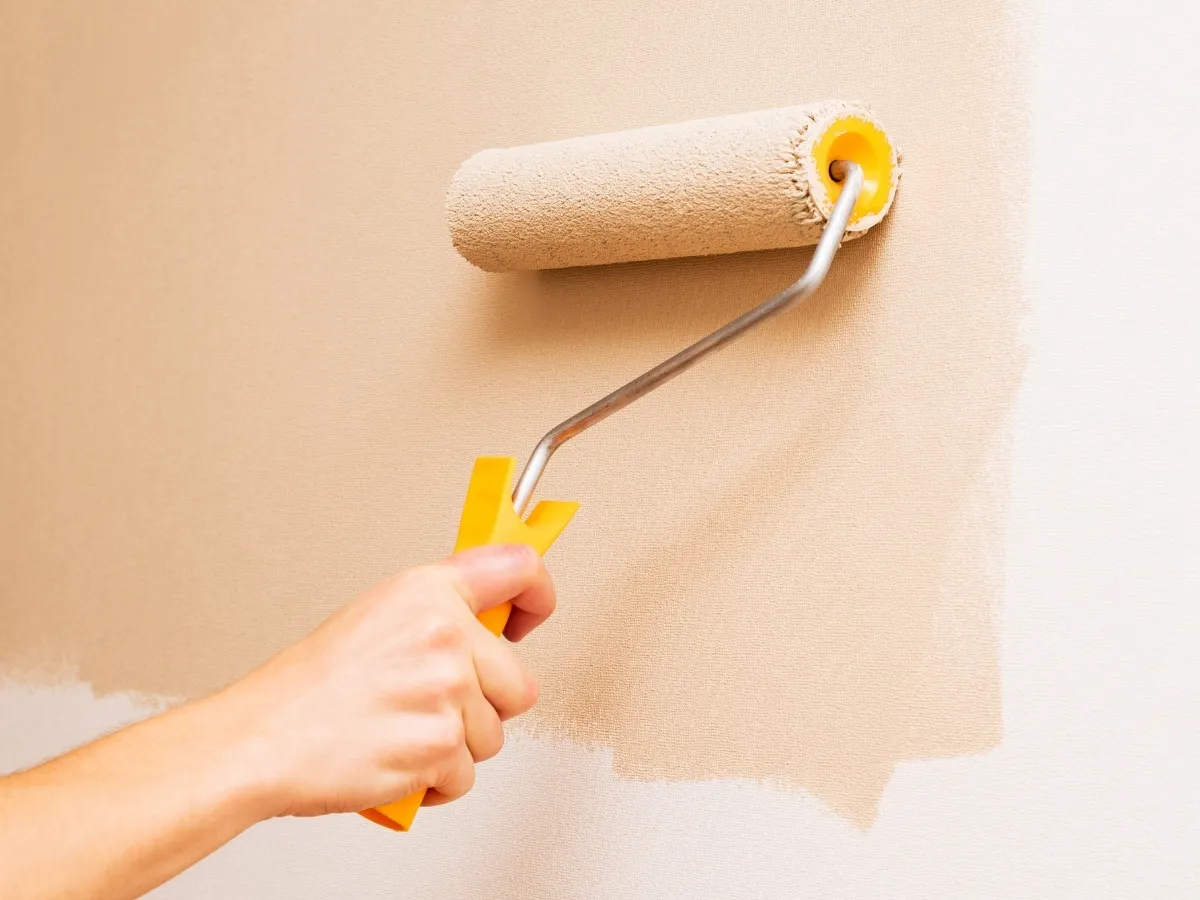
When people think about painting a home, their attention often goes directly to choosing the perfect colour. While colour is important for the final appearance, professional painters understand that a successful paint job depends heavily on proper preparation. One of the most critical steps in this process is selecting the right primer for the surface being painted. Different materials such as drywall, wood, metal, or previously painted surfaces have unique characteristics that require specific types of primers. Understanding primer types for painting helps explain why professionals carefully match primers to each surface before applying paint.
Primers play a vital role in creating a stable foundation for paint. They improve adhesion by helping the paint bond properly to the surface, which reduces the chances of peeling, cracking, or uneven coverage later on. In addition, primers can seal porous materials like new drywall or unfinished wood, preventing the paint from being absorbed unevenly. Some primers are also designed to block stains from water damage, smoke, or wood tannins that might otherwise bleed through the paint. By addressing these issues before painting begins, primers help ensure a smoother and more durable finish.
Professional painters choose specific primers because each surface presents different challenges. For example, drywall primers help seal new walls and create an even base for interior paint, while bonding primers are used on glossy or difficult surfaces where regular paint may not adhere well. Wood primers can block natural stains and protect the material, and metal primers help prevent rust and corrosion. By selecting the correct primer for each situation, painters can improve paint performance, enhance durability, and achieve a more consistent and long-lasting result.
What Is Primer and Why It Is Important
Primer is a preparatory coating that is applied to a surface before the final layers of paint. Its main purpose is to improve the bond between the paint and the material being painted. Without primer, paint may not adhere properly, which can lead to issues such as peeling, uneven colour coverage, or reduced durability over time. By creating a stable base, primer helps the paint perform as intended and contributes to a smoother, more consistent finish.
One reason professionals carefully select different primer types for painting is that various surfaces absorb paint in different ways. Some materials, such as bare wood or drywall, are porous and absorb paint quickly, while smoother surfaces may resist adhesion. Primer helps balance these differences by creating a uniform surface that allows the paint to spread evenly. This not only improves the final appearance but also enhances the overall durability of the paint job. In many cases, using the correct primer can also reduce the number of paint coats required to achieve full and even coverage.
How Primer Improves Paint Adhesion
Paint needs a stable surface to bond properly. When paint is applied directly to certain materials, it may struggle to stick or cure correctly. This is why selecting the right primer types for painting is so important. Primer acts as a bridge between the surface and the paint layer. It grips the material underneath while providing a smooth surface for the paint above. This improved adhesion helps prevent common problems such as bubbling, peeling, or cracking paint. It also helps the paint withstand environmental conditions and daily wear. Professional painters always consider the type of surface before choosing a primer.
Latex Primers for Interior Surfaces
Latex primers are one of the most commonly used primer types for painting. These water based primers are versatile and work well on many interior surfaces. Latex primers are often used on drywall, plaster, and previously painted walls. They dry quickly and produce minimal odour, making them suitable for indoor environments. Another advantage of latex primer is its flexibility. It allows surfaces to expand and contract slightly without causing the paint to crack. Because of these qualities, latex primers are frequently used in residential interior painting projects.
Oil Based Primers for Tough Surfaces
Oil based primers are another important category among primer types for painting. These primers provide strong adhesion and excellent stain blocking capabilities. Oil primers are often used on surfaces that may contain stains, such as wood with knots or areas affected by smoke damage. They are also effective for covering strong colours when changing to a lighter paint shade. Another benefit of oil based primers is their ability to seal porous surfaces. This helps prevent paint from soaking unevenly into the material. Although they take longer to dry, oil primers remain valuable for challenging painting situations.
Bonding Primers for Smooth Materials
Some surfaces are extremely smooth and difficult for paint to adhere to. Materials such as metal, glass, or glossy surfaces may resist traditional paints. Bonding primers are specialized primer types for painting designed for these conditions. They create a strong adhesive layer that allows paint to stick to otherwise difficult surfaces. These primers are commonly used when painting metal railings, laminate cabinets, or previously glossy surfaces. Using a bonding primer ensures the paint will remain attached even on slick materials.
Stain Blocking Primers
Stains on walls or ceilings can sometimes bleed through new paint. Water stains, smoke damage, and ink marks may reappear if they are not sealed properly. Stain blocking primers are another important category among primer types for painting. These primers are designed to seal stains and prevent them from showing through the final paint layer. They are commonly used in kitchens, bathrooms, or areas affected by water damage. By sealing the stain first, painters ensure the finished paint surface remains clean and uniform.
Primers for Exterior Surfaces
Exterior surfaces require primers that are specifically designed to handle changing weather and environmental conditions. These primer types for painting help prepare materials so they can better withstand exposure to moisture, sunlight, and temperature fluctuations. Exterior primers create a protective base layer that improves the adhesion of the paint while also helping to shield the underlying material from environmental stress.
These primers are commonly used on surfaces such as wood siding, masonry, and metal. On porous materials, primer helps seal the surface so that paint is absorbed evenly rather than soaking in irregularly. This creates a more stable foundation for the exterior paint and helps improve the durability of the finish. Using the correct primer outdoors can also reduce the risk of peeling, cracking, or other damage caused by weather exposure. Professional painters typically select exterior primers based on the specific surface type and the climate conditions the home experiences.
Primers for New Drywall
New drywall surfaces are highly porous, which means they can absorb paint quickly and unevenly. If paint is applied directly without primer, the result may appear patchy, dull, or inconsistent across the wall. Some areas of the drywall may absorb more paint than others, causing variations in colour and texture. This uneven absorption can make it difficult to achieve a smooth and uniform finish with paint alone.
Drywall primers are specialized primer types designed to seal the porous surface before painting begins. By sealing the drywall, primer creates a consistent base that allows the paint to spread evenly across the wall. This improves the overall appearance of the finished surface and helps ensure the colour looks uniform throughout the room. In addition, using primer reduces the amount of paint needed to achieve full coverage, making the painting process more efficient. For these reasons, professional painters almost always apply primer when working with new drywall surfaces.
Professional Interior Painting and Primer Selection
Selecting the right primer requires knowledge of different materials and environmental conditions. Professional painters evaluate the surface carefully before choosing primer types for painting. Proper primer selection ensures the paint adheres correctly and lasts longer. It also improves the overall appearance of the finished paint job. Our interior painting services include careful surface preparation and primer application to ensure long lasting and beautiful results. Professional preparation helps prevent common painting problems.
Primer is especially important in new construction homes. Newly installed drywall, wood trim, and other materials require proper sealing before painting begins. Professional painters apply appropriate primer types for painting to ensure the final paint adheres correctly and maintains consistent colour. This preparation step helps create durable finishes throughout the home. Our new construction painting services ensure that new homes receive proper surface preparation and high quality paint application from the beginning. Starting with the right primer helps protect the home’s surfaces for years.
Final Thoughts
Paint may be the most visible part of a painting project, but primer is what makes the finish last. Understanding primer types for painting helps homeowners see why professionals take this important step seriously. The right primer improves adhesion, blocks stains, and creates a smooth base for beautiful paint results. At Balzer’s Brushing, we focus on preparation and quality materials to deliver paint finishes that look great and last longer.
Our experienced painters carefully select the correct primers for each surface to ensure durable and professional results. If you are planning a painting project and want expert guidance on proper surface preparation, visit our contact page to connect with Balzer’s Brushing and learn how professional painting services can provide long lasting beauty for your home.
