
The Best Way to Paint Doors for a Factory Like Finish
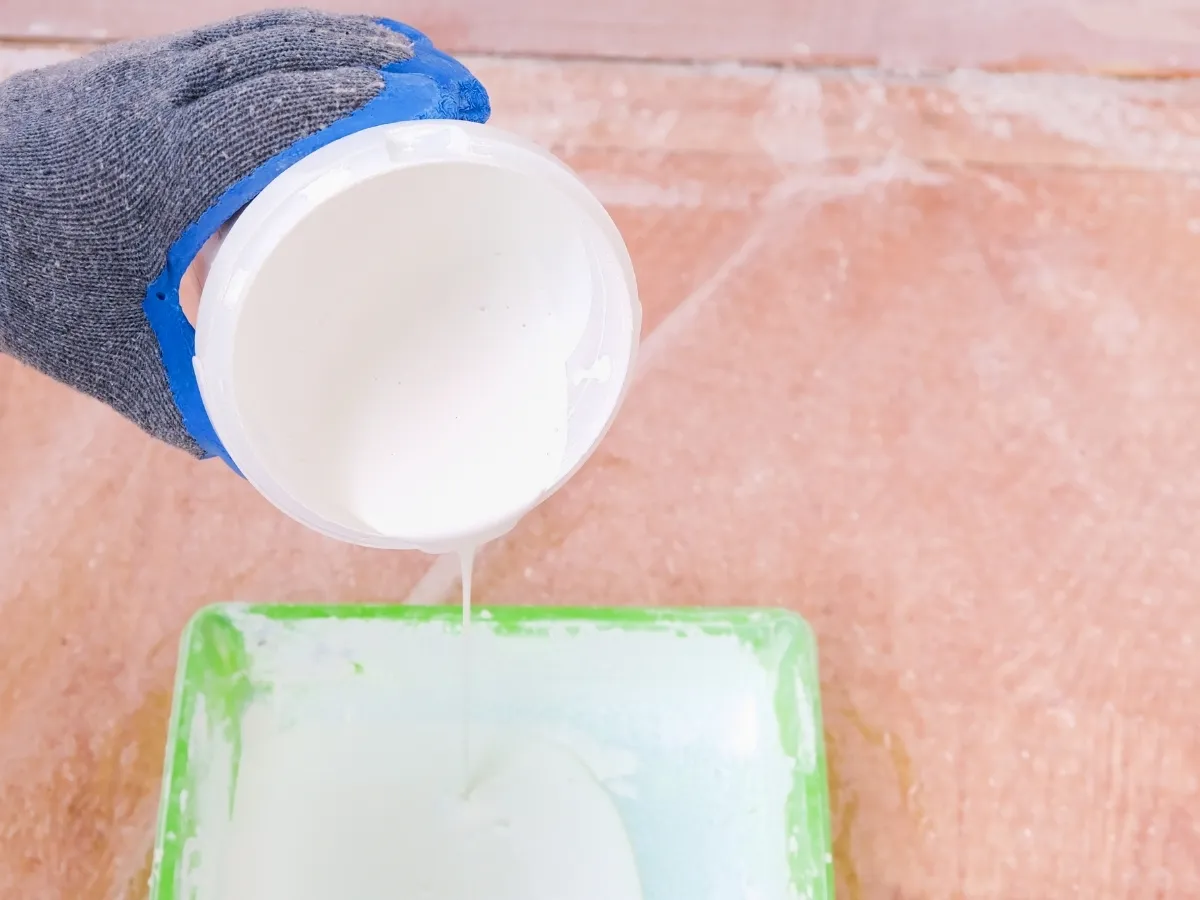
How to paint doors professionally to achieve a factory-like finish requires careful preparation and attention to detail. The process begins by properly preparing the door surface to ensure the new paint adheres smoothly. Professional painters typically remove the door hardware and clean the surface to remove dust, grease, and residue. Light sanding is then used to smooth out any scratches, dents, or uneven areas. This step also helps the new paint bond better to the surface. After sanding, a high-quality primer is often applied to create a uniform base that improves coverage and durability.
The tools used during the painting process also play a major role in achieving a smooth and professional finish. Many professional painters use high-density foam rollers or specialized spray equipment to apply paint evenly across the door. Foam rollers help reduce visible brush marks and create a consistent surface texture. When spray equipment is used, it can produce an even smoother finish that closely resembles a factory-applied coating. Regardless of the method, applying thin and even coats of paint is essential for preventing drips, streaks, or uneven coverage.
Allowing adequate drying time between coats is another key part of painting doors professionally. Multiple thin coats of high-quality paint help build a durable finish that resists everyday wear and tear. Professional painters also pay attention to proper ventilation and temperature conditions to ensure the paint cures correctly. Once the final coat has dried, the hardware can be reinstalled and the door returned to its frame. By following these careful steps and using the right materials, interior doors can achieve a smooth, polished appearance that closely resembles a factory-made finish.
Why Door Painting Requires Special Care
Painting doors requires more precision than many people expect because doors are highly visible and frequently used surfaces. Unlike walls, which are typically viewed from a distance, doors are seen up close every day. This makes even small imperfections such as brush marks, uneven coverage, or dust particles more noticeable. Because of this, understanding how to paint doors professionally is important for achieving a smooth and consistent finish that looks clean and polished.
Doors also experience frequent physical contact from hands, which can lead to wear, smudges, and gradual deterioration of the paint over time. To address this, painters often use durable paint products and careful application techniques designed to create a stronger, longer-lasting finish. Proper preparation, including cleaning and sanding, is also essential to ensure the paint adheres well to the surface. For these reasons, professional painters treat door painting differently from wall painting, focusing on detailed preparation and controlled application to produce a high-quality result.
Remove or Prepare Door Hardware
One of the first steps when learning how to paint doors professionally is preparing the hardware. Door handles, hinges, and locks can interfere with smooth paint application if left in place. Professional painters often remove hardware before painting begins. This allows the entire surface to be painted evenly without interruptions. If removal is not possible, the hardware can be carefully covered with painter’s tape. Protecting or removing hardware prevents accidental paint marks and helps maintain clean edges. This preparation step ensures the final result looks neat and professional.
Clean the Door Surface Thoroughly
Before applying paint, the door must be cleaned properly. Dirt, grease, and fingerprints can prevent paint from adhering correctly. Cleaning is an essential step in how to paint doors professionally. A mild cleaning solution is usually used to remove oils and residue from the surface. After cleaning, the door should be allowed to dry completely. Skipping this step may cause the paint to peel or appear uneven. A clean surface ensures the paint bonds securely and creates a smooth finish. Professional painters never begin painting until the surface has been fully prepared.
Sand the Door for a Smooth Surface
Sanding helps create the ideal surface for painting. This step removes old paint imperfections and slightly roughens the surface so the new paint can adhere better. When learning how to paint doors professionally, light sanding is essential. Even doors that appear smooth may require sanding to improve paint adhesion. Fine grit sandpaper is usually used to smooth the surface without damaging the door. After sanding, the door should be wiped clean to remove dust particles. This preparation step helps ensure the new paint layer appears even and polished.
Apply a High Quality Primer
Primer is an important step in how to paint doors professionally. It creates a uniform base for the paint and improves adhesion. Primer also helps block stains or old colours from showing through. Applying primer is especially important when changing paint colours or covering darker surfaces. It helps ensure the new colour appears consistent. Once the primer dries, the surface may be lightly sanded again to maintain a smooth finish. This extra step helps create the factory like appearance many homeowners want. Professional painters choose primers designed specifically for doors and trim.
Choose the Right Paint and Finish
Choosing the right paint is an important step when learning how to paint doors professionally. Because doors are opened, closed, and touched frequently, they require a durable coating that can withstand regular use and occasional cleaning. For this reason, many professionals use enamel paints or specialty trim paints designed for doors, cabinetry, and woodwork. These products are formulated to create a harder, more resilient finish than standard wall paint, helping protect the surface from scratches, fingerprints, and everyday wear.
The type of finish also affects both the appearance and durability of the painted door. Common options include satin, semi-gloss, and high-gloss finishes. A satin finish provides a soft, subtle sheen that offers a clean look without too much shine. Semi-gloss is one of the most popular choices because it balances durability with an attractive finish that reflects light slightly while remaining easy to clean. High-gloss finishes create a bold, polished appearance but tend to highlight surface imperfections more easily. Selecting the appropriate finish helps ensure the door not only looks appealing but also maintains its appearance over time.
Use the Right Painting Tools
The tools used during the painting process play a major role in the final appearance of a door. When learning how to paint doors professionally, selecting high quality tools is essential for achieving a smooth and even finish. Professional painters often use a combination of foam rollers and fine brushes because each tool serves a specific purpose during the painting process. The right tools help control how the paint spreads across the surface and reduce the risk of visible marks or uneven texture.
Foam rollers are commonly used to apply paint across the flat areas of the door because they distribute paint evenly and leave very little surface texture. Fine brushes are then used to carefully paint edges, corners, and detailed sections that rollers cannot reach. By combining these tools, painters can minimize visible brush strokes and create a more consistent surface. Professionals also apply paint in thin, even layers to avoid drips and buildup. This careful approach helps produce the smooth, sleek finish often associated with factory painted doors.
Apply Multiple Thin Coats
Applying multiple thin coats is an important technique when learning how to paint doors professionally. Thick layers of paint may seem efficient, but they often lead to problems such as drips, uneven texture, or extended drying times. When paint is applied too heavily, it can pool in certain areas and create visible imperfections once it dries. Thin coats, on the other hand, allow the paint to spread evenly across the surface and settle smoothly as it cures.
Professional painters typically apply two or three thin coats to achieve proper coverage and a durable finish. Each coat is allowed to dry completely before the next layer is added, which helps prevent streaks and ensures the paint bonds well to the surface. In some cases, painters may lightly sand the door between coats to remove minor imperfections and maintain a smooth texture. This careful process helps produce a clean, consistent finish that enhances both the appearance and durability of the painted door.
Allow Proper Drying Time
Allowing proper drying time is an important step in achieving a high quality finish when painting doors. After paint is applied, the surface should remain undisturbed so the coating can dry and cure properly. Touching the door too soon may leave fingerprints, smudges, or marks that affect the final appearance. Even if the paint feels dry to the touch, it may still be curing beneath the surface, which means the finish is not yet fully hardened.
When learning how to paint doors professionally, patience plays a key role in producing durable results. Allowing sufficient drying and curing time helps the paint form a stronger protective layer that can better withstand everyday use. This is especially important for doors, which are frequently handled and exposed to friction. Professional painters carefully plan their work schedule to ensure each coat has enough time to dry before the door is used again, helping create a smooth, long-lasting finish.
Professional Interior Painting for Perfect Results
Painting doors requires precision and attention to detail. Professional painters have the experience and tools needed to achieve factory quality finishes. They understand how to prepare surfaces, select the right paints, and apply smooth coats. These techniques help eliminate brush marks and uneven coverage. Our interior painting services include expert door and trim painting designed to deliver clean and durable results. With professional care, interior doors can become a standout feature in your home. Professional painting ensures every detail looks polished and consistent.
New homes often include builder grade doors that may benefit from a higher quality finish. Painting these doors professionally can enhance the overall design of the home. Learning how to paint doors professionally is especially helpful in new construction projects where homeowners want a customized appearance. Professional painters inspect surfaces, prepare the doors carefully, and apply durable finishes that match the home’s interior style. Our new construction painting services help homeowners achieve smooth and consistent finishes throughout their new space. Planning these details early helps ensure every door complements the home’s design.
Final Thoughts
Painting interior doors can dramatically improve the appearance of a room when done correctly. By following the right preparation steps and using quality materials, homeowners can achieve the polished look of factory finished doors. Learning how to paint doors professionally ensures smooth surfaces, durable finishes, and long lasting results.
At Balzer’s Brushing, we specialize in professional painting techniques that bring out the best in every surface. Our experienced team carefully prepares and paints doors to achieve flawless finishes that enhance your home’s style. If you are ready to refresh your doors and trim with professional results, visit our contact page to connect with Balzer’s Brushing and learn how our expert painting services can transform the details of your home.
