
The Best Paint Options for Basement Walls
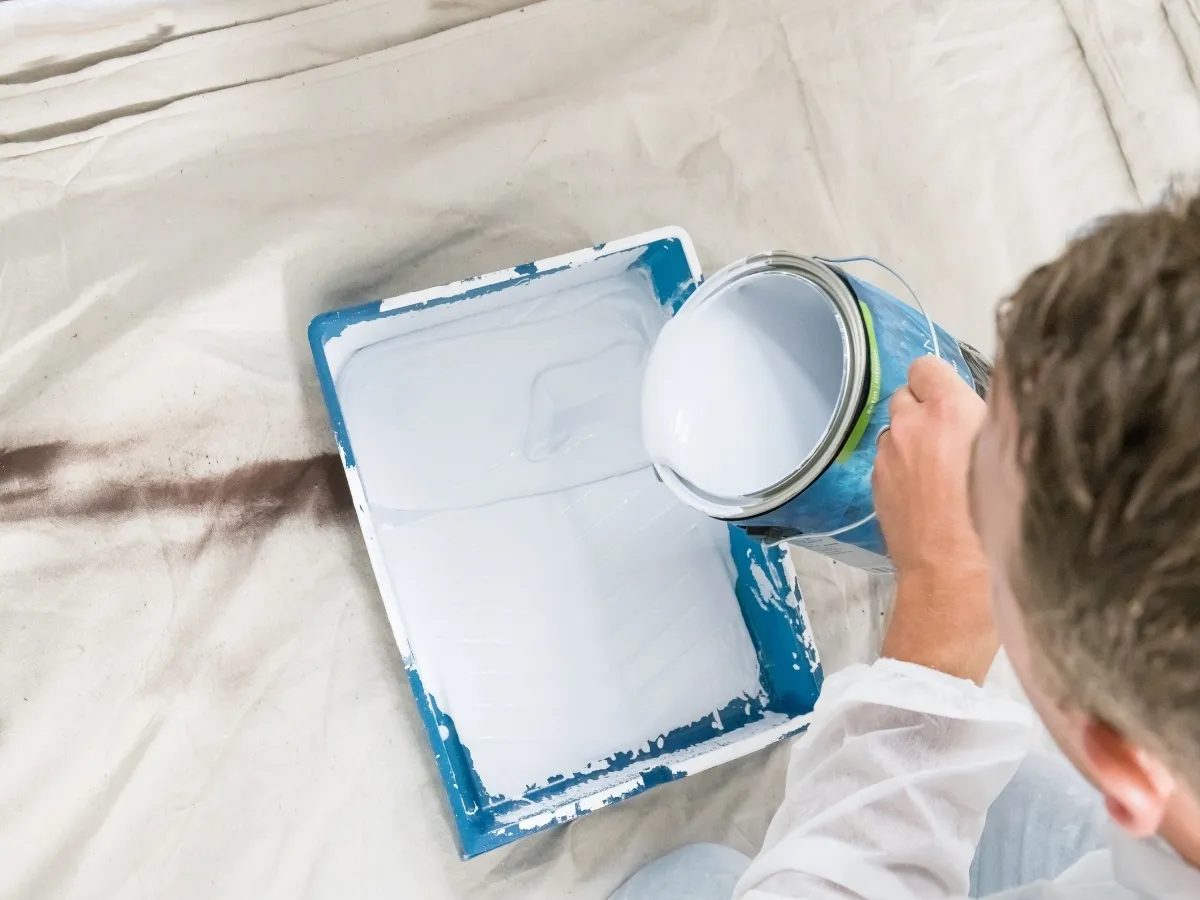
Basements present unique challenges that make choosing the right paint especially important. Because these spaces are often below ground level, they tend to have higher humidity and limited airflow compared to other parts of the home. Moisture can affect how paint adheres to the walls and may lead to peeling, bubbling, or mildew if the wrong products are used. Selecting the right basement wall paint helps create a durable surface that can handle these conditions while improving the overall appearance of the space.
Moisture resistant paints are often recommended for basement walls. These products are designed to help prevent water related issues by forming a stronger barrier on the surface of the wall. In some cases, homeowners may also benefit from using masonry or waterproofing paints, especially if the basement walls are made of concrete or block. Proper surface preparation is equally important. Cleaning the walls, repairing small cracks, and applying primer when needed helps ensure that the paint adheres properly and performs well over time.
Colour selection also plays a role in improving basement environments. Since basements often receive limited natural light, lighter colours such as soft whites, light greys, or warm neutrals can help make the space feel brighter and more open. These colours reflect available light and create a more inviting atmosphere, whether the basement is used for storage or as a living area. By combining moisture resistant products with thoughtful colour choices, homeowners can create basement walls that are both durable and visually appealing.
Why Basement Walls Require Special Paint
Basement walls require special consideration because they are exposed to conditions that differ from the rest of the home. Many basements are partially or completely below ground level, which means the walls are in close contact with surrounding soil and may experience higher levels of humidity. Moisture from the ground or changes in temperature can affect the surface of basement walls, making them more vulnerable to paint failure if the wrong type of paint is used.
Standard interior paint is not always designed to handle these conditions. When moisture builds up behind or within the wall surface, regular paint may begin to bubble, peel, or lose adhesion over time. Using the right basement wall paint helps prevent these issues by providing stronger resistance to humidity and better adhesion to materials such as concrete or masonry. Specialized paint formulas are designed to handle these challenging environments, helping homeowners protect their basement walls while creating a cleaner and more comfortable living space.
Moisture Resistant Paint for Basements
Moisture is one of the biggest concerns in basement spaces. Even well built homes may experience occasional dampness or humidity in lower levels. Moisture resistant basement wall paint helps create a protective barrier that reduces the impact of humidity. These paints are designed to handle environments where moisture levels may fluctuate. Moisture resistant coatings can help prevent issues such as:
- Peeling paint
- Surface mould growth
- Damp looking walls
- Paint bubbling or blistering
Masonry Paint for Concrete Walls
Many basement walls are made from concrete, brick, or other masonry materials. These surfaces require special coatings designed to adhere properly to porous materials. Masonry paint is often recommended as a basement wall paint solution because it bonds well to these surfaces. It also provides additional protection against moisture penetration. Masonry paints are thicker than standard interior paints. This allows them to seal small pores in the wall while creating a smooth and durable finish. When applied correctly, masonry paint helps basement walls remain protected while improving their appearance.
Waterproofing Paint for Added Protection
In some homes, waterproofing paint may be necessary to address more serious moisture concerns. These coatings are designed to block water from passing through basement walls. Waterproof basement wall paint forms a strong barrier that prevents moisture from entering the interior space. This helps reduce the risk of water stains and mould growth. While waterproofing paint can be very effective, it is important to ensure that any structural or drainage issues are addressed first. Paint alone cannot fix significant water problems. Professional painters can assess basement conditions and recommend the most suitable solutions.
Choosing Light Colours for Basement Walls
Many basements receive limited natural light, which can make the space feel darker or more enclosed compared to other areas of the home. Because of this, the choice of paint colour plays an important role in how the basement looks and feels. Dark colours can absorb light and make the room appear smaller or less inviting. Selecting lighter shades for basement wall paint helps reflect available light, making the space feel brighter and more open.
Neutral tones are often the most effective choice for basement walls because they create a clean and versatile appearance. Popular options include soft white, light grey, warm beige, and pale greige. These colours work well with a variety of design styles and can complement different uses for the space, such as entertainment rooms, home offices, or guest areas. Lighter shades not only improve brightness but also contribute to a welcoming and comfortable environment in the basement.
Durable Finishes for High Use Areas
When a basement is used as an active living space, choosing a durable paint finish becomes especially important. Areas that serve as family rooms, playrooms, or entertainment spaces often experience regular activity, which can lead to scuffs or marks on the walls. Selecting a finish that can withstand this type of use helps maintain the appearance of the space and reduces the need for frequent repainting or touch-ups.
Satin and eggshell finishes are commonly recommended for basement wall paint because they offer a good balance between durability and visual appeal. These finishes create a smooth surface that is more resistant to minor scuffs and easier to clean than flatter paint types. If marks or smudges appear, they can usually be removed with gentle cleaning. Choosing the right finish helps ensure that basement walls remain attractive and easy to maintain, even in areas that receive regular use.
Proper Preparation Before Painting
Proper preparation is essential when painting basement walls because the surfaces often face conditions that can affect paint performance. Before applying paint, the walls must be carefully cleaned and inspected to ensure the surface is suitable for painting. Dust, residue, and moisture can interfere with paint adhesion, while small cracks or uneven textures may cause the finish to appear inconsistent. Addressing these issues before painting helps create a stable and even surface for the new paint layer.
Professional painters typically follow several preparation steps to ensure the best results. These may include cleaning the walls to remove dirt and buildup, repairing small cracks or holes in the surface, and applying primer to improve paint adhesion. It is also important to confirm that the walls are completely dry before painting begins, as trapped moisture can lead to peeling or bubbling later. When these preparation steps are completed properly, basement wall paint is more likely to adhere well and maintain its appearance for a longer period of time.
Professional Painting Ensures Lasting Results
Painting a basement requires more than simply applying paint to the wall. Proper surface preparation, moisture evaluation, and product selection are essential for long lasting results. Professional painters understand how to handle the unique conditions found in basement spaces. They select paint products designed to perform well in humid environments and on masonry surfaces. Our team at Balzer’s Brushing provides expert interior painting services that include basement painting solutions tailored to each home’s needs. Professional painting helps ensure smooth finishes and durable protection for basement walls.
In newly built homes, basement painting is often part of the finishing process. Even if the basement will be used mainly for storage, painting the walls helps protect surfaces and improve appearance. Builders and homeowners often choose durable basement wall paint that can withstand humidity and occasional moisture. Professional new construction painting services ensure basement walls are properly prepared and coated from the beginning. This early preparation helps maintain the condition of the space as homeowners begin using it.
Final Thoughts
Basements have the potential to become comfortable and useful parts of the home. Choosing the right basement wall paint helps protect surfaces from moisture while improving the overall atmosphere of the space. With proper preparation, durable products, and thoughtful colour choices, basement walls can remain attractive and easy to maintain.
At Balzer’s Brushing, we believe every part of your home deserves professional care and attention. Our experienced team specializes in painting solutions designed to handle challenging environments while delivering beautiful results. If you are planning to update your basement or any other interior space, we invite you to contact us and discover how Balzer’s Brushing can help bring lasting quality and colour to your home.
