
Why Proper Sanding Is Essential Before Painting
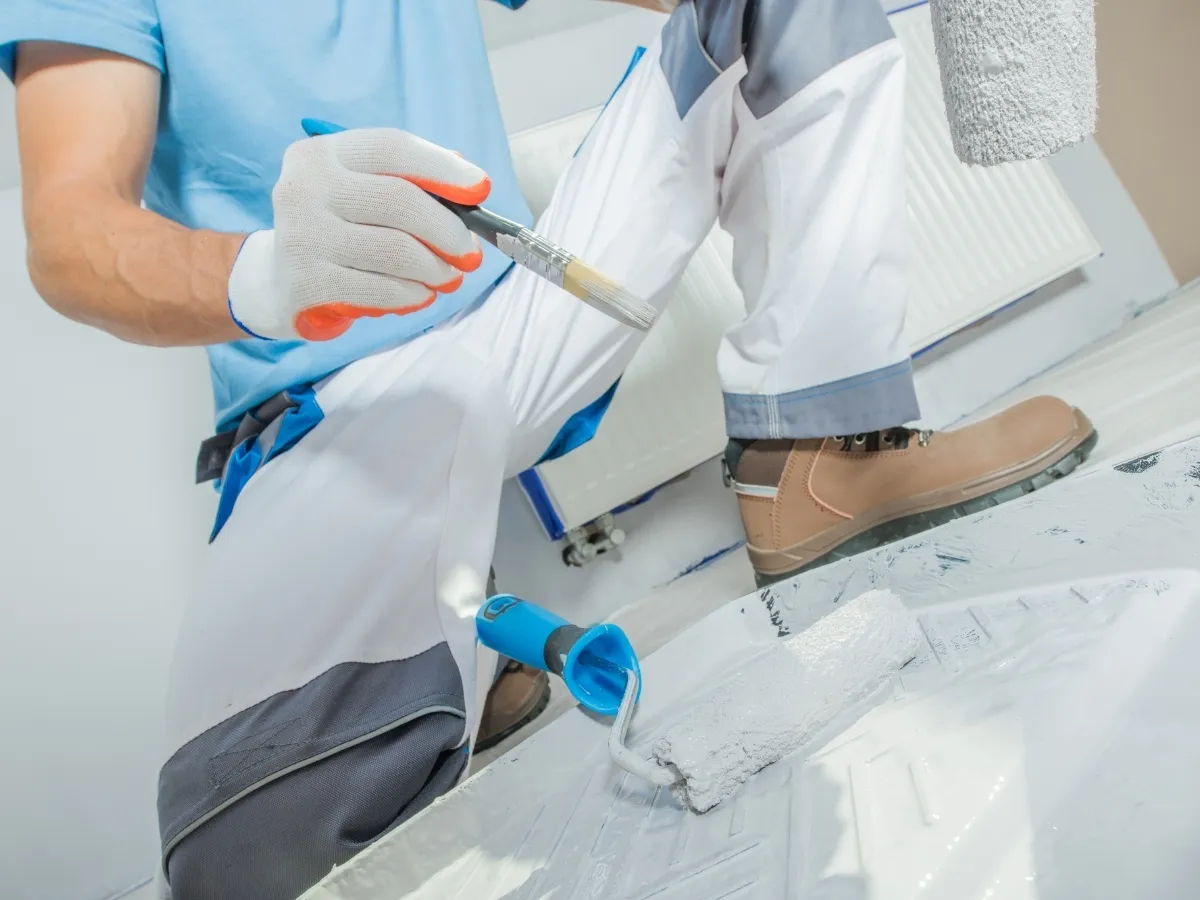
Sanding before painting importance cannot be overstated when it comes to achieving a professional looking paint job. While many homeowners concentrate on selecting the perfect paint colour, the condition of the surface underneath the paint has an even greater impact on the final result. Sanding helps smooth out rough areas, remove minor imperfections, and prepare the surface so the new paint can adhere properly. This step is a key part of professional painting because it ensures that the paint will apply evenly and create a clean, polished appearance.
Skipping the sanding process may seem like a quick way to save time, but it often causes problems after the paint is applied. When paint is applied to glossy, uneven, or previously damaged surfaces, it may not bond correctly. This can lead to peeling, chipping, or visible texture issues once the paint dries. Sanding helps eliminate these risks by slightly roughening the surface, which allows the paint to grip more effectively. It also removes dust, debris, and leftover paint bumps that could otherwise show through the new coat.
In addition to improving adhesion, sanding also helps create a more uniform and professional finish. By smoothing patched areas, old paint edges, and surface irregularities, sanding ensures that the entire wall or surface feels consistent to the touch. Professional painters often combine sanding with cleaning and priming to create the ideal foundation for paint. Understanding the importance of sanding before painting helps homeowners see why preparation is such a critical part of achieving durable, smooth, and long lasting results.
Understanding the Sanding Before Painting Importance
Sanding is an essential step in surface preparation before painting. It involves lightly smoothing the surface to remove small imperfections, rough areas, and remnants of old paint that could interfere with the new coating. The importance of sanding before painting lies in its ability to create a stable and even foundation for the paint to adhere to. When a surface is properly sanded, the paint bonds more effectively, which helps improve both the appearance and durability of the finished result.
Without sanding, paint may simply sit on top of the surface instead of forming a strong bond. Although many walls, cabinets, or trim pieces may appear smooth at first glance, they often contain subtle bumps, glossy spots, or uneven textures that can prevent proper adhesion. Sanding helps eliminate these issues by creating a consistent and slightly textured surface that allows the paint to grip securely. At Balzer’s Brushing, sanding is always a key part of the preparation process because it helps ensure the final paint job looks smooth, professional, and long lasting.
Sanding Helps Paint Stick Better
One of the biggest reasons for sanding before painting importance is improved paint adhesion. Paint needs a slightly textured surface to bond effectively. If the surface is too smooth or glossy, the paint may struggle to attach properly. Sanding creates tiny scratches that give the paint something to grip. These small abrasions allow the paint to lock into the surface rather than sitting loosely on top. Better adhesion leads to stronger, longer lasting paint results. When paint bonds well, it is less likely to peel, bubble, or chip over time. For homeowners investing in painting projects, proper sanding is a simple step that greatly increases the durability of the finished surface.
Sanding Removes Surface Imperfections
Over time, interior surfaces such as walls, cabinets, and trim can develop small imperfections that affect their overall appearance. These flaws may include dents from everyday use, bumps caused by previous repairs, dried paint drips, or rough patches left behind from earlier paint jobs. If these irregularities are not addressed before repainting, they can remain clearly visible once the new paint is applied. In many cases, paint actually emphasizes surface flaws because light reflects differently across uneven areas.
Sanding helps correct these problems by smoothing the surface and creating a more uniform foundation for the new paint. This process levels out small bumps, removes dried paint drips or brush marks, and blends patched areas with the surrounding surface. It is especially useful for correcting minor scratches, dents, rough drywall repairs, and uneven layers left by older paint. By carefully sanding these imperfections during the preparation stage, painters can ensure the final coat of paint appears smooth, even, and professionally finished.
Sanding Helps Blend Repairs
Before painting, walls often need small repairs. Nail holes, cracks, and dents are usually filled with patching compound or filler. While these repairs improve the wall’s condition, they can still stand out if not properly sanded. The sanding before painting importance becomes clear during this stage. Sanding blends repaired areas with the surrounding surface, creating a consistent texture across the wall. If patching compound is left uneven, the painted surface may show raised or rough areas. Proper sanding smooths the filler so that it becomes nearly invisible once painted. Professional painters always sand repaired areas carefully to ensure the surface looks seamless after the paint is applied.
Sanding Removes Glossy Finishes
Some surfaces, especially trim, cabinets, and previously painted walls, may have glossy finishes. Glossy surfaces can make it difficult for new paint to stick properly. Sanding lightly dulls the shiny finish and creates a surface that paint can grip. This step is especially important when repainting areas that previously had semi gloss or high gloss paint. Without sanding, new paint applied over glossy surfaces may slide or peel more easily. Proper preparation ensures the new paint bonds correctly and maintains its appearance. This is another reason why the sanding before painting importance cannot be overlooked in professional painting projects.
Sanding Creates a Professional Finish
A smooth finish is one of the most noticeable signs of a professional paint job. Sanding plays a major role in achieving this level of quality. Even high quality paint cannot hide uneven surfaces or rough textures. Sanding prepares the surface so that paint can flow evenly across the wall or trim. When sanding is done correctly, the final result appears cleaner and more polished. Light reflects evenly across the surface, creating a smooth and consistent look. At Balzer’s Brushing, we focus heavily on preparation because it allows us to deliver the professional finishes homeowners expect.
Tools Used for Sanding Before Painting
Different sanding tools are used depending on the type of surface being prepared and the size of the project. Professional painters carefully choose tools that allow them to work efficiently while maintaining control over the sanding process. Smaller tools such as sanding sponges and sandpaper sheets are commonly used for detailed areas, corners, and edges where precision is important. For larger surfaces like walls and ceilings, pole sanders help painters reach higher areas and cover more space evenly without excessive effort.
Electric sanders are often used when working on larger projects or when surfaces require more intensive preparation, such as removing old paint or smoothing rough materials. Another important factor is the selection of sandpaper grit. Finer grits are typically used for smoothing surfaces and preparing them for paint, while slightly rougher grits help remove imperfections or existing paint layers. Using the appropriate tools and sandpaper allows painters to prepare surfaces thoroughly while protecting the material underneath, ensuring the surface is ready for a smooth and long-lasting paint finish.
Cleaning After Sanding Is Essential
Once sanding is complete, surfaces must be cleaned before painting begins. Sanding creates dust that can interfere with paint adhesion if left on the surface. Cleaning removes this dust and ensures a clean base for the new paint layer. Professional painters typically wipe surfaces with a damp cloth or tack cloth to remove remaining particles. Skipping this step may cause paint to trap dust, leading to a rough or uneven finish. Cleaning after sanding helps ensure the paint dries smoothly. Preparation steps like sanding and cleaning are essential parts of high quality interior painting projects.
Sanding in New Construction Painting
Sanding is not only important for repainting projects. It also plays a key role in new construction homes. Fresh drywall, trim, and woodwork often require sanding before the first coat of paint is applied. Drywall joints and patching areas must be smoothed to ensure an even surface. Wood trim may also need sanding to remove small imperfections from the manufacturing or installation process. In new homes, sanding helps create consistent surfaces throughout the property. This allows paint to look uniform across walls, ceilings, and trim. Professional services like new construction painting include careful preparation to ensure the final result looks flawless from the start.
Common Mistakes When Skipping Sanding
Some homeowners try to speed up their painting projects by skipping the sanding step. Although this may seem like a time-saving shortcut, it often leads to unsatisfactory results. Without proper sanding, the surface may still contain small imperfections, glossy areas, or old paint residue that prevents the new paint from bonding effectively. As a result, the final finish may look uneven or unprofessional once the paint dries.
Skipping sanding can lead to several common problems, including paint peeling sooner than expected, visible wall imperfections, uneven paint coverage, and reduced overall durability of the paint job. These issues may require repainting much earlier than planned, increasing both time and expense in the long run. In many situations, correcting these problems involves additional preparation and repair work that could have been avoided with proper sanding at the beginning. Understanding the importance of sanding before painting helps homeowners achieve better results and avoid costly mistakes.
Final Thoughts
Painting is more than simply applying colour to a wall. The quality of the preparation stage has a major impact on the final outcome. Sanding, cleaning, and repairing surfaces are essential steps that create a strong foundation for paint. At Balzer’s Brushing, we believe preparation is the key to exceptional painting results. Our experienced team takes the time to properly sand and prepare every surface so that the final finish looks smooth and lasts for years.
Whether you are updating a single room or completing a full home project, professional preparation ensures the paint performs as it should. If you are planning your next painting project, we invite you to contact us and discover how Balzer’s Brushing delivers durable, high quality painting results through expert preparation and craftsmanship.
