
How Professional Painters Handle Difficult Wall Repairs
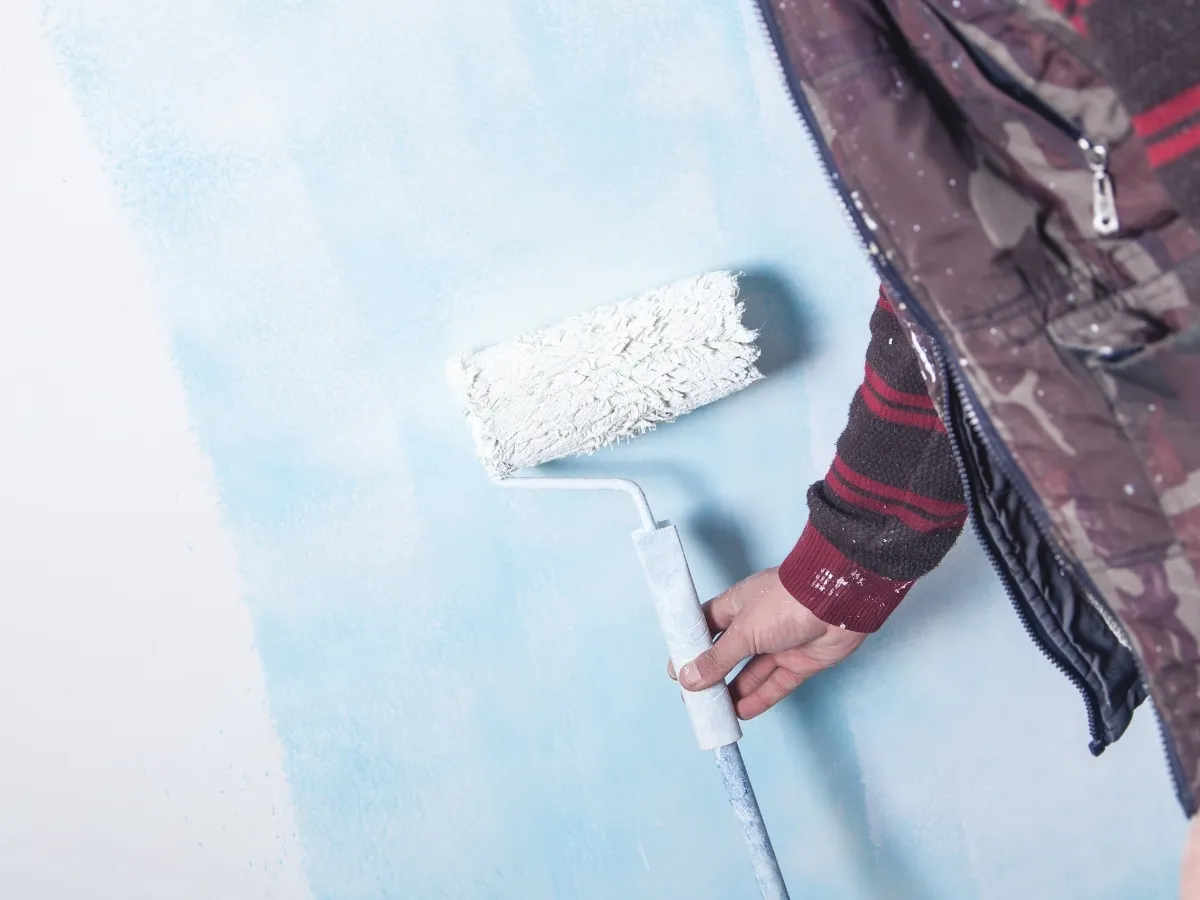
Wall repair before painting is a critical step that professional painters never skip, since achieving a flawless finish starts long before the first coat of paint is applied. When walls have cracks, dents, or other visible damage, simply painting over them will not solve the problem. In many cases, fresh paint can actually make imperfections more noticeable because light reflects off uneven surfaces. For this reason, professionals carefully inspect the walls and identify any areas that require repair before beginning the painting process. This early assessment allows them to determine the right materials and techniques needed to restore the wall surface.
Once the damaged areas are identified, painters begin the repair process using specialized tools and materials. Small nail holes and minor dents are typically filled with spackling compound, while larger cracks or damaged sections may require joint compound or patching materials. After the compound dries, the surface is carefully sanded to ensure it blends smoothly with the surrounding wall. Professional painters often repeat this process multiple times if necessary, ensuring the repaired area is completely level and invisible once painted. This attention to detail is essential for creating a uniform and professional appearance.
Preparation does not end with patching and sanding. Professional painters also clean the wall surfaces and apply primer to repaired areas before painting. Primer helps seal the repaired sections and ensures the paint adheres evenly across the wall. Without primer, repaired spots can absorb paint differently and cause noticeable patches in the final finish. By taking the time to repair, smooth, and properly prepare the walls, professionals create a strong foundation for painting. This careful preparation ultimately leads to a durable, smooth, and visually appealing result that enhances the overall look of the room.
Why Wall Repair Is Necessary Before Painting
Walls are exposed to constant use and contact, which gradually leads to visible damage on their surfaces. Everyday activities such as moving furniture, hanging decorations, or minor accidents can leave behind nail holes, dents, scratches, or cracks. Over time, these imperfections accumulate and affect the overall appearance of the wall. If the surface is not properly repaired before painting, the new coat of paint will not be able to hide these flaws effectively. Instead, the paint may settle into the damaged areas, causing them to become even more noticeable than before.
Additionally, paint interacts with light in ways that highlight uneven surfaces. When light reflects off a wall, it emphasizes bumps, dents, and ridges that might not have been obvious previously. This means that even small imperfections can stand out clearly once the wall is freshly painted. Repairing the wall beforehand ensures that the surface is smooth and even, allowing the paint to adhere properly and create a consistent finish. Proper wall repair ultimately plays a crucial role in achieving a clean, polished, and professional-looking paint job.
Inspecting the Wall for Damage
Before any repairs begin, professional painters conduct a careful inspection of the wall to determine the overall condition of the surface. This step is important because it helps identify all visible and hidden areas that may require attention before painting can take place. During the inspection, painters closely examine the wall for common issues such as cracks in the drywall, nail holes from previous fixtures, small dents caused by impact, and sections where paint may be peeling or flaking. Each of these imperfections can affect how well the new paint adheres and how smooth the finished surface will appear.
In addition to surface-level damage, painters also look for signs of deeper problems, such as water stains or moisture damage that may weaken the wall material. These issues must be addressed properly before any paint is applied to prevent further deterioration or future paint failure. By identifying all potential problems at an early stage, painters can determine the most effective repair methods and materials needed for the job. A thorough inspection ensures that no damage is overlooked and serves as the essential first step in preparing the wall for a smooth and professional paint finish.
Repairing Nail Holes and Small Dents
Small holes left behind by nails or screws are among the most common imperfections found on interior walls. These marks often occur when pictures, shelves, or decorations are removed, leaving small openings that can affect the appearance of the surface. Professional painters typically repair these holes using a patching compound or spackle designed specifically for wall repairs. The compound is applied carefully to fill the hole completely, ensuring that the material spreads evenly and reaches the edges of the damaged area.
After the compound has fully dried, the repaired spot is sanded gently to create a smooth and level surface that blends with the rest of the wall. This sanding process removes any excess material and prevents raised areas that could become visible once paint is applied. When done correctly, the repair becomes nearly invisible, allowing the new coat of paint to appear consistent and uniform across the entire wall. Repairing these small imperfections is a standard and essential step in wall preparation before painting begins.
Fixing Larger Cracks in Drywall
Larger cracks in drywall require more careful attention than smaller surface imperfections. Simply filling the crack with compound may only provide a temporary fix, as the underlying problem can cause the crack to reopen over time. To create a more durable repair, professional painters often begin by slightly widening the crack. This step helps remove any loose or damaged material and allows the repair compound to bond more effectively with the surrounding drywall.
After preparing the crack, painters apply a layer of joint compound and may use reinforcing tape to strengthen the repaired area. The tape helps hold the compound in place and reduces the likelihood of the crack reappearing in the future. Once the compound has fully dried, the area is carefully sanded to create a smooth and even surface that blends with the rest of the wall. This method ensures the repair is strong, stable, and ready for painting, helping maintain a clean and professional finish.
Addressing Water Damage
Water damage can significantly affect the condition and appearance of interior walls. It often appears in the form of stains, softened drywall, bubbling paint, or warped surfaces caused by prolonged exposure to moisture. Before any painting begins, these damaged areas must be carefully evaluated and repaired to prevent future problems. Ignoring water damage can lead to poor paint adhesion and may allow stains or discoloration to show through the new coat of paint.
In more severe cases, the damaged section of drywall may need to be removed and replaced to restore the wall’s structural integrity. After the repair is completed, professionals typically apply a stain-blocking primer to the affected area. This specialized primer helps seal the surface and prevents water stains from bleeding through the fresh paint layer. Properly addressing moisture-related damage ensures that the wall is stable, clean, and fully prepared for painting, resulting in a longer-lasting and more professional finish.
Sanding for a Smooth Surface
Sanding is an essential step in preparing repaired wall areas before painting begins. Even after patching holes or filling cracks, small bumps, uneven spots, or rough edges can remain on the surface. If these imperfections are left untreated, they may become visible once paint is applied. Professional painters use fine-grit sandpaper to gently smooth the repaired areas, blending them with the surrounding wall so the surface becomes even and consistent.
Once the sanding process is complete, the wall is carefully cleaned to remove any dust or debris created during the process. Dust particles left on the surface can interfere with paint adhesion and may create a rough or uneven finish. By ensuring the wall is both smooth and clean, painters create the ideal surface for paint to bond properly. This careful preparation helps ensure that repaired areas remain invisible and that the final paint job looks smooth, uniform, and professional.
Applying Primer to Repaired Areas
Primer plays an important role in preparing repaired wall areas for painting. When holes, cracks, or dents are patched, the repaired sections often have a different texture and level of porosity compared to the surrounding wall. If paint is applied directly over these areas without primer, the patched spots may absorb the paint differently. This can cause uneven coverage, making the repaired areas appear as dull patches or noticeable spots once the paint dries.
Applying primer helps seal the repaired surface and creates a uniform base for the paint to adhere to. It ensures that both the patched areas and the original wall surface absorb paint evenly, which leads to a smoother and more consistent final appearance. By improving paint adhesion and preventing color variations, primer allows the repaired sections to blend seamlessly with the rest of the wall. For this reason, using primer is a crucial step in professional wall repair before painting.
Why Professional Techniques Matter
Wall repairs may appear straightforward, but achieving a smooth and invisible result often requires experience and attention to detail. If repairs are done poorly, imperfections such as bumps, ridges, or visible patch marks may remain noticeable even after the wall has been painted. These flaws can affect the overall appearance of the finished surface and make the paint job look uneven or unprofessional. Proper preparation and repair techniques are therefore essential to ensure the wall looks flawless once the paint is applied. Professional painters have the training and expertise needed to handle wall repairs correctly.
They understand how to apply patching compounds evenly, control drying times, and sand the surface carefully to achieve a smooth finish. In addition, professionals know how to blend repaired areas with the surrounding wall so that the repair becomes nearly invisible. Their knowledge and techniques help ensure that the final paint job appears consistent, polished, and professionally completed. At Balzer’s Brushing, our interior painting services include detailed surface preparation to ensure every wall looks smooth and flawless. Proper preparation ensures the paint finish looks professional and lasts longer.
Wall Repair in New Homes
Even newly built homes may require minor wall repairs before painting. Drywall installation can leave small seams or imperfections that must be smoothed before paint is applied. Professional painters inspect new surfaces carefully and correct any issues before painting begins. Our new construction painting services ensure that new homes receive perfectly prepared walls and high quality finishes. This preparation helps new interiors look polished and professionally completed.
Many painting problems begin with poor preparation. When walls are not repaired properly, paint cannot hide the damage beneath it. Professional painters take the time to repair, sand, and prime walls before painting begins. This careful preparation ensures the paint finish looks smooth and consistent. Understanding the importance of wall repair before painting helps homeowners appreciate the difference that professional preparation makes.
Final Thoughts
Painting is one of the most effective ways to refresh a room, but great results depend on preparation. Proper wall repair before painting ensures that cracks, dents, and other imperfections do not affect the final appearance. By inspecting walls, repairing damage, sanding surfaces, and applying primer, professional painters create the ideal surface for paint. These steps allow the paint to look smooth and perform well over time. If your walls need repairs before painting, expert help can make the process easier and more effective. You can contact our team to discuss your project and receive professional guidance. At Balzer’s Brushing, we believe that flawless paint finishes begin with careful preparation, ensuring every wall in your home looks smooth, beautiful, and professionally completed.
