
The Best Paint Options for High Humidity Rooms
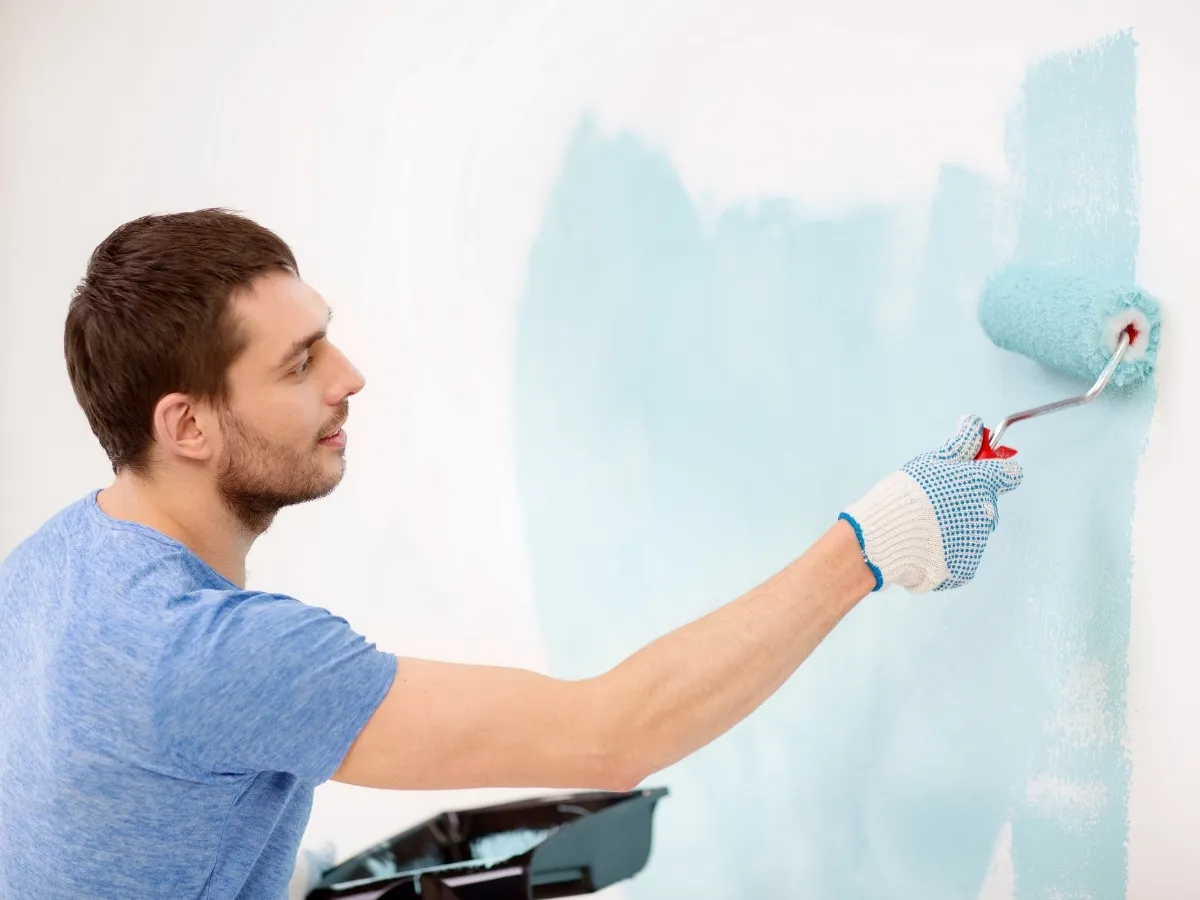
Some areas of a home naturally experience higher levels of moisture than others. Rooms such as bathrooms, kitchens, laundry rooms, and basements often produce steam and humidity through daily activities like cooking, showering, and washing clothes. When these spaces lack strong ventilation, moisture can linger in the air and affect wall surfaces. Standard paint may struggle to perform well in these conditions, which is why choosing the best paint for humid rooms is an important step in maintaining both the appearance and durability of your walls.
High humidity can gradually weaken paint if the surface is not properly protected. Moisture in the air may become trapped beneath the paint layer, which can cause bubbling, peeling, or discoloration over time. In addition, damp environments create conditions where mold and mildew may develop on painted surfaces. Paint products designed for humid environments are typically formulated with moisture resistance and mildew protection to help prevent these issues. These paints create a stronger barrier that helps walls withstand constant exposure to humidity.
At Balzer’s Brushing, we work with homeowners to select paint products that are suited to the specific conditions of each room. In moisture-prone areas, we recommend high-quality paints designed for bathrooms, kitchens, and other humid spaces to ensure long-lasting performance. Proper surface preparation and the right paint selection can significantly improve how well the finish holds up over time. By understanding the best paint for humid rooms, homeowners can protect their walls while maintaining a clean, fresh appearance throughout their homes.
Why Humidity Affects Paint
Humidity refers to the amount of moisture present in the air. In areas where water is used frequently, such as bathrooms, kitchens, or laundry rooms, humidity levels can increase quickly. When steam or moisture settles on walls and ceilings, some of that moisture can be absorbed by the paint. If the paint is not designed to handle these conditions, it may begin to weaken over time, leading to problems such as peeling, bubbling, or staining.
High humidity also creates an environment where mold and mildew can develop more easily. These microorganisms thrive in warm, damp spaces and can grow on painted surfaces if the paint does not provide enough resistance. Once mold or mildew begins to form, it can damage the paint and affect the cleanliness of the room. Choosing the best paint for humid rooms helps create a protective barrier that resists moisture and reduces the risk of microbial growth.
Common Problems in Humid Rooms
Rooms with high humidity often experience paint problems sooner than other areas of the home because constant moisture can weaken the paint’s protective layer. Over time, several issues may begin to appear on the walls and ceilings. Common problems include peeling or flaking paint, bubbling or blistering surfaces, mold or mildew stains, and discoloration caused by prolonged exposure to moisture.
These conditions occur when the paint cannot effectively resist humidity or when the surface was not properly prepared before painting. As moisture penetrates or becomes trapped beneath the paint, it can gradually break down the bond between the paint and the wall. Choosing the best paint for humid rooms, along with proper preparation and ventilation, can help prevent these problems and maintain a more durable, long-lasting finish.
Look for Moisture Resistant Paint
One of the most important features of paint for humid areas is moisture resistance. These paints are designed to repel water and prevent it from penetrating the paint film. Moisture resistant paints form a protective barrier that helps keep walls dry. This barrier reduces the chances of peeling or bubbling paint. Many modern paints include advanced formulas that allow the surface to breathe while still repelling water. Professional interior painting services often recommend these specialized paints for bathrooms and kitchens.
Choose Mold and Mildew Resistant Formulas
An important feature of the best paint for humid rooms is resistance to mold and mildew. Many paints designed specifically for bathrooms, kitchens, and laundry rooms include antimicrobial additives that help protect the painted surface. These additives work by slowing the growth of mold and mildew, which commonly develop in warm and damp environments.
While these specialized paints cannot remove moisture from the air, they help reduce the conditions that allow mold spores to grow on walls and ceilings. This added protection helps keep painted surfaces cleaner and can reduce the need for frequent scrubbing or maintenance. Mold- and mildew-resistant paints are especially useful in bathrooms, where steam from showers and baths can quickly increase humidity levels and create ideal conditions for microbial growth.
Select the Right Paint Finish
Paint finish plays an important role in how well painted surfaces handle moisture. Finishes that have a slight sheen tend to perform better in humid environments because they create a smoother and less porous surface. This type of surface helps resist moisture and prevents water from being easily absorbed into the paint layer. As a result, these finishes are generally more durable in rooms where steam and humidity are common.
Eggshell, satin, and semi-gloss finishes are often recommended for areas such as bathrooms, kitchens, and laundry rooms. These finishes allow walls to be wiped down more easily and help maintain a clean appearance even with regular exposure to moisture. In contrast, flat or matte finishes absorb more moisture and may be more difficult to clean when stains or mildew appear. Selecting the right finish is therefore an important step when choosing the best paint for humid rooms, as it helps improve both durability and ease of maintenance.
Prepare Walls Properly Before Painting
Proper preparation is essential for achieving long-lasting results, even when using high-quality paint designed for humid environments. Before painting begins, the walls should be thoroughly cleaned to remove soap residue, grease, dust, and any existing mildew. These contaminants can prevent paint from bonding properly to the surface, which may lead to peeling or uneven coverage later.
In some situations, applying a primer formulated for humid conditions can further improve the outcome. Primer helps seal the surface and creates a stable base that allows the paint to adhere more effectively. It can also block stains or moisture that might otherwise affect the new paint layer. Taking the time to clean, repair, and prime the walls helps ensure that the best paint for humid rooms performs as intended and provides a durable, moisture-resistant finish.
Improve Ventilation in Humid Spaces
Managing humidity levels is an important step in protecting painted surfaces, especially in rooms that frequently experience moisture. Proper ventilation allows steam and excess moisture to escape rather than settling on walls and ceilings. When moisture remains in the air for long periods, it can weaken paint and create conditions where mold and mildew may develop.
Using bathroom exhaust fans and kitchen ventilation systems can greatly reduce humidity levels in these spaces. When possible, opening windows can also help improve airflow and bring in fresh air that reduces moisture buildup. Lower humidity helps paint dry more effectively and maintain its durability over time. Combining proper ventilation with the best paint for humid rooms provides stronger protection for walls and helps maintain a clean, long-lasting finish.
Why Professional Painters Make a Difference
Selecting paint products and finishes for humid environments can be more complex than many homeowners expect. Professional painters understand how different paints perform under varying conditions. They also know how to prepare surfaces and apply paint correctly to ensure maximum durability. At Balzer’s Brushing, our team carefully evaluates each room before recommending paint products. This ensures homeowners receive solutions that match the conditions of their space. Professional preparation and application help the best paint for humid rooms deliver long lasting results.
High humidity rooms must also be considered during the construction of new homes. Proper paint selection from the start helps prevent future maintenance problems. Professional painters work with builders to ensure bathrooms, kitchens, and laundry areas receive the correct paint finishes. Our new construction painting services ensure every room receives paint designed for its environment. This careful planning helps new homes maintain their fresh appearance over time.
Final Thoughts
Humidity can be challenging for painted surfaces, but the right paint products can make a big difference. Selecting the best paint for humid rooms helps prevent peeling, mold growth, and moisture damage. Moisture resistant paints, mold resistant formulas, and proper finishes all contribute to stronger and longer lasting walls. Combined with proper ventilation and preparation, these paints help maintain a clean and attractive home.
If you are planning to repaint a bathroom, kitchen, or laundry room, professional guidance can ensure the best results. You can contact our team to discuss your project and learn which paint products will work best for your home. At Balzer’s Brushing, we take pride in helping homeowners protect their spaces with durable paint solutions designed to handle even the most humid environments.
