
How Professional Painters Achieve Smooth Cabinet Finishes
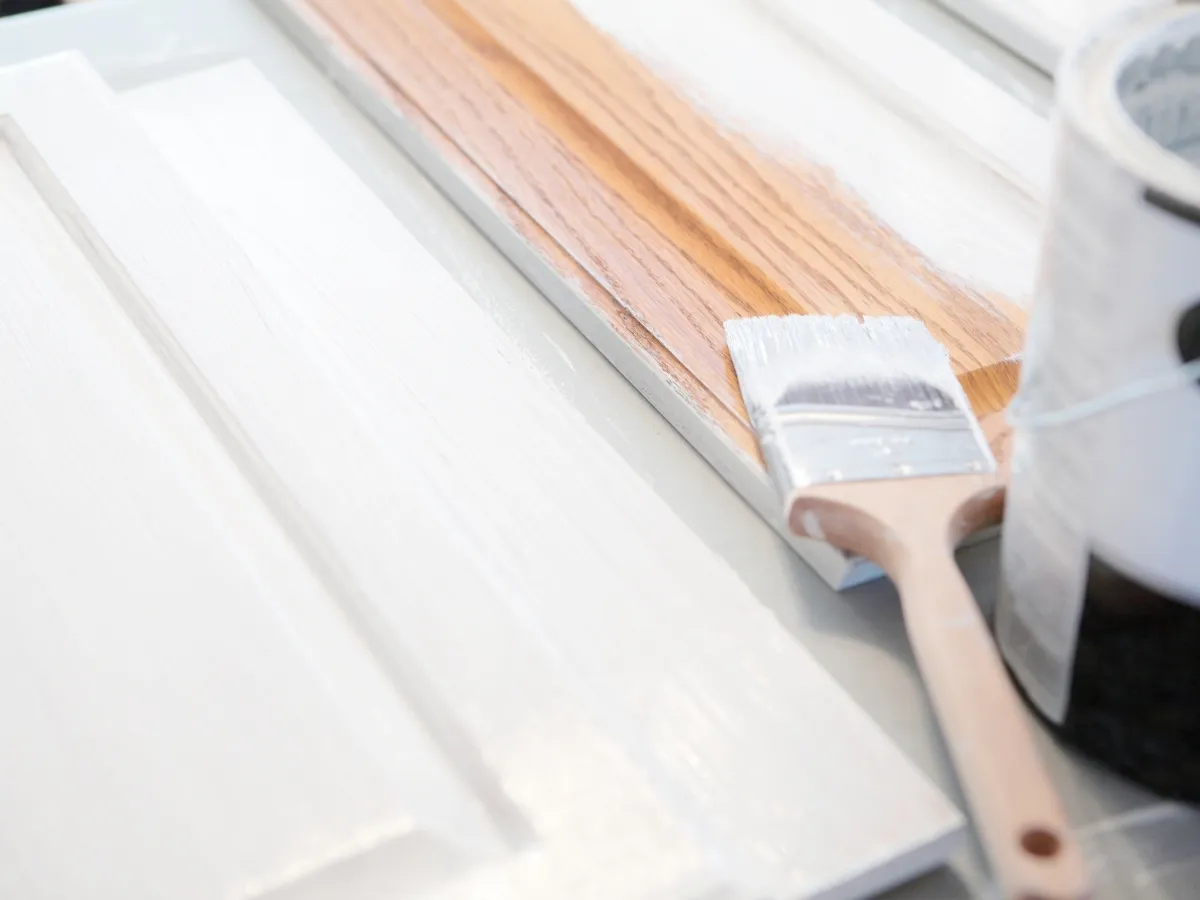
Kitchen cabinets are one of the most prominent features in a home, especially in kitchens and bathrooms where they occupy a large portion of the visual space. Their colour, texture, and finish can strongly influence the overall style and atmosphere of the room. Over time, however, cabinets may begin to show signs of wear, fading, or outdated colours. Rather than replacing them entirely, many homeowners choose to repaint their cabinets to refresh the space. Using the proper cabinet painting techniques can restore cabinets and create a smooth, modern finish that dramatically improves the look of the room.
Painting cabinets requires a different approach than painting walls because cabinet surfaces are frequently touched and exposed to moisture, grease, and daily use. Proper preparation is essential to ensure the paint adheres correctly and remains durable over time. Professional painters typically begin by removing cabinet doors and hardware, thoroughly cleaning the surfaces to remove oils and residue, and sanding the surfaces to create a smooth base. Applying a high-quality primer helps the paint bond effectively and prevents stains or previous colours from showing through the final coat.
Professional application techniques also play a major role in achieving a smooth cabinet finish. Painters often use specialized brushes, rollers, or spray equipment designed to create an even coating without visible marks or texture. Multiple thin coats of paint are usually applied to build a durable and consistent finish. At Balzer’s Brushing, we focus on careful preparation and precise cabinet painting techniques to deliver results that are both beautiful and long lasting. With the right methods and materials, cabinets can achieve a smooth, factory-like finish that enhances the entire space.
Why Cabinet Painting Requires Special Techniques
Cabinets experience frequent daily use, which makes painting them more demanding than painting standard walls. Kitchen and bathroom cabinets are opened, closed, touched, and cleaned regularly, exposing them to constant wear. Because of this, the paint used on cabinets must be more durable and resistant to scratches, moisture, and repeated handling. Standard wall painting methods and products are usually not strong enough to withstand this level of use.
Cabinets are also made from materials such as solid wood, laminate, or engineered boards, each of which requires proper preparation before painting. Surfaces often need to be cleaned, sanded, and primed to ensure the paint adheres correctly. Without these steps, the paint may peel, chip, or wear down quickly. Using proper cabinet painting techniques helps create a strong bond between the paint and the cabinet surface, allowing the finish to remain smooth, durable, and long lasting.
Removing Doors and Hardware
One of the first steps in professional cabinet painting is removing the cabinet doors and hardware. This includes handles, knobs, and hinges. Removing these components allows painters to work on each piece individually. It also prevents paint from collecting around hardware edges. Painting cabinets while the doors remain attached can lead to drips and uneven coverage. Removing them ensures that every surface can be painted evenly. This step is a basic but essential part of proper cabinet painting techniques.
Thorough Surface Cleaning
Thorough surface cleaning is a critical step when preparing kitchen cabinets for painting. Over time, cabinets often collect grease, cooking oils, and food residue, especially in areas near stoves and food preparation spaces. Even when cabinets appear clean, a thin layer of invisible grease may still remain on the surface. Before any sanding, priming, or painting begins, these contaminants must be completely removed to ensure proper paint adhesion.
Professional painters typically use specialized cleaning solutions designed to break down grease and remove buildup effectively. If grease is left on the surface, the paint may not bond properly, which can result in peeling, chipping, or uneven finishes over time. Proper cleaning creates a solid foundation for the paint and is one of the most important cabinet painting techniques for achieving a smooth and long-lasting result.
Sanding for Better Paint Adhesion
After cleaning, cabinets are lightly sanded to prepare the surface. Sanding helps remove glossy finishes and creates a slightly rough texture that paint can grip. This step improves paint adhesion and prevents the paint from sliding across the surface. Professional painters use fine sandpaper or sanding equipment to smooth the cabinets evenly. After sanding, dust is carefully removed before the next step. Sanding is a critical part of professional cabinet painting techniques.
Applying High Quality Primer
Applying high-quality primer is an essential step when painting cabinets because it helps create a strong bond between the cabinet surface and the new paint. Primer acts as a foundation that allows the paint to adhere properly, which is especially important for smooth or previously finished cabinet materials. It also helps block stains, wood tannins, and old colours that might otherwise show through the new paint layer. Without primer, the paint may struggle to grip the surface, increasing the risk of chipping, peeling, or uneven coverage over time. Professional painters carefully choose primers that are specifically formulated for cabinet materials, ensuring better adhesion, improved durability, and a smoother final finish.
Using the Right Paint Products
Using the right paint products is essential when painting cabinets because these surfaces experience frequent use and require a more durable finish than standard wall paint. Cabinets are regularly exposed to moisture, grease, and repeated cleaning, which means the paint must be able to withstand wear without chipping or fading. Professional painters typically choose specialized cabinet or trim paints that are formulated to create a harder, more resilient coating.
These products are designed to cure properly and resist scratches, stains, and everyday handling. In addition to improved durability, high-quality cabinet paints also help produce smoother finishes with fewer visible brush or roller marks. Selecting the appropriate paint products is therefore a key part of effective cabinet painting techniques and helps ensure a long-lasting, professional-looking result.
Spraying for a Smooth Finish
Many professional painters use spray equipment when painting cabinets. Spraying allows paint to be applied in thin and even layers. This method helps create a smooth surface without visible brush or roller marks. It is especially effective for flat cabinet doors and detailed trim. Spray painting also helps paint reach small corners and edges evenly. Professional spray techniques are often responsible for the flawless look homeowners expect from cabinet refinishing.
Allowing Proper Drying and Curing Time
Cabinet paint needs adequate time to dry and fully cure in order to achieve a durable finish. While the surface of the paint may feel dry to the touch within a few hours, the curing process continues for several days. During this period, the paint gradually hardens and develops the strength needed to resist scratches, chips, and daily wear.
Professional painters carefully follow the manufacturer’s recommended drying times between coats to ensure the paint layers bond properly. Applying additional coats too quickly can interfere with this process and may lead to smudging, uneven surfaces, or weak adhesion. Allowing enough time for proper drying and curing is an essential step in cabinet painting, helping the finish remain smooth, durable, and resistant to the frequent use cabinets receive.
Reinstalling Doors and Hardware Carefully
After the cabinet paint has fully cured, the doors, hinges, and hardware can be carefully reinstalled. This stage requires patience because freshly cured paint can still be vulnerable to scratches or pressure if handled roughly. By reinstalling each component slowly and carefully, painters help protect the smooth finish that was achieved during the painting process.
Professional painters often label cabinet doors, hinges, and hardware when they remove them at the beginning of the project. This system ensures that every piece is returned to its original position, which helps the cabinets align properly when reassembled. Careful reinstallation allows the cabinets to function smoothly while preserving the clean and even appearance of the newly painted surfaces. Attention to detail during this final step helps complete the cabinet painting process and ensures a professional result.
Cabinet Painting in New Homes
Cabinet painting is not only for older kitchens. Many homeowners also customize cabinets during new home construction. Painting cabinets during construction allows homeowners to choose colours that match the overall design of the home. Professional painters coordinate with builders to ensure cabinets are prepared and finished properly. Our new construction painting services help ensure new homes receive high quality finishes that enhance every space.
Painting cabinets requires precision, patience, and experience. Even small mistakes can lead to uneven surfaces, drips, or paint that chips easily. Professional painters understand the proper preparation steps and use the right tools for smooth results. They also know how to select paints that perform well in kitchen environments. At Balzer’s Brushing, our interior painting services include cabinet refinishing solutions that transform kitchens with durable and attractive finishes. Using professional cabinet painting techniques ensures cabinets look beautiful while standing up to everyday use.
Final Thoughts
Cabinet painting is one of the most effective ways to update a kitchen without replacing cabinetry. However, achieving a smooth and durable finish requires proper preparation and skill. Understanding professional cabinet painting techniques helps homeowners see why expert methods produce better results. From cleaning and sanding to priming and spraying, each step contributes to a long lasting finish. Skipping any of these steps can affect both the appearance and durability of the paint.
If you are considering refreshing your cabinets, professional help can ensure the project is completed correctly. You can contact our team to discuss your cabinet painting project and receive expert guidance. At Balzer’s Brushing, we combine careful preparation, high quality materials, and professional techniques to deliver cabinet finishes that enhance the beauty of your home for years to come.
